




Top-rated excavation pros.

Get matched with top excavation pros in Fairfax, OH

Enter your zip and get matched with up to 5 pros

Need a pro for your excavation project in Fairfax, OH?

Select your specific project to find the pro for you.

TRUSTED BY FAIRFAX, OH HOMEOWNERS

  • Average homeowner rating star icon4.6
    Average homeowner rating
  • Verified reviews icon30
    Verified excavation services reviews

Find Excavation pros in Fairfax

Avatar for Dig One Excavating, LLC
Dig One Excavating, LLC
5.0(
6
)
Excavation - Major Grading or ReslopingExcavation - Major Grading or Resloping - For Business

Serving Fairfax, OH and surrounding areas

Approved

In business since 2024

Free estimates

Emergency services offered

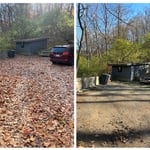
"We got ourselves in a real problem with a driveway washing out and the area being overtaken with honeysuckle. Rob came in, developed a plan, prepared the site, schedule the material and got the job done! He worked so efficiently and the price was excellent. Rob really does great work and can be totally trusted to get the job done."
Response time1 day
Response rate96%
5 neighbors recently requested a quote
...
Showing 1-10 of 309
Excavating questions, answered by experts

A trench that is less than 5 feet deep often doesn't require a protective system. Most residential trenches will not go this deep (the typical residential drainage trench is just 18 inches deep). In the event that an excavator needs to dig more than 5 feet beneath the surface, a protective system is required unless the excavation is in entirely stable rock.

You can bury underground electrical wire six inches deep—but only if you use a rigid metal electrical conduit. For rigid, non-metallic conduits, bury the wire at least 12 inches deep. If using an underground feeder cable rated for direct burial, you'll need to place it at least 18 inches deep, as it has no conduit for extra protection.

Maintain open communication and address issues as they arise, ensuring contract terms cover potential delays.

Slab foundations are more affordable than crawl spaces because they require minimal excavation, as the slab sits directly on the ground or on footers that only sink a few feet into the ground. Crawl spaces require excavation of the entire footprint of the home to several feet below the surface. Not only does that mean higher labor costs, but more materials are necessary for the concrete foundation walls.

The best type of soil to build on is a mixture of sand and clay, known as loam soil. Loam soil has the best combination of these soil types to build a foundation on. The clay particles help with water retention, so it won’t erode like sandy soil might, and the sandy particles help with drainage, so you won’t see unsafe soil expansion or have an increased risk of leaks from water sitting against your foundation.

The Fairfax, OH homeowners’ guide to excavation services

From average costs to expert advice, get all the answers you need to get your job done.