


"It went amazingly well. Kody was very understanding of my embarrassment and he was very reassuring that he could get my pest problem cleared up. He showed up in an unmarked vehicle so none of my noisey, but well meaning neighbors knew what was going on. I sure didn't want anyone to know a babysitter brought in bedbugs. I am so glad I contacted Wilson pest control and even happier that we don't have anymore unwanted pests. I would definitely use his services again and would recommend him to anyone."
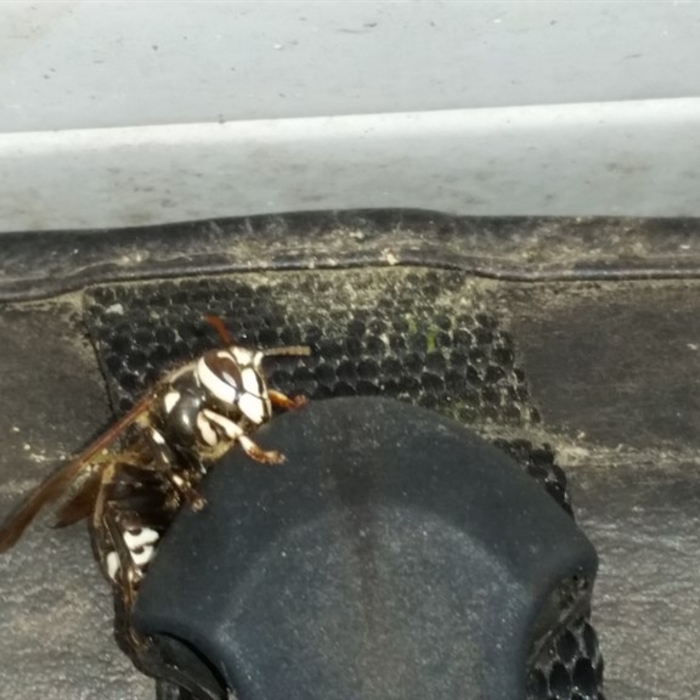
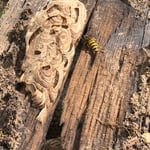
"Kody was very responsive and quoted a very reasonable price to remove two yellow jackets nest that were in our yard. On top of that, he alerted me of some bagworm issues I was having with a bush in our back yard that I was completely unaware of. I would 100% recommend him to anyone needing professional help with any type of pest control. Thanks again for your great service Kody."
"Very knowledgeable guy who seem to know what he’s doing. Don’t know results of spraying. Have had much rain since. Will have to see if it worked. Terminex will spray again the beginning of next month."
"Mice problem in 4400 sq ft of attic; they removed all insulation then disinfected and sanitized the area. Installed new thermal, acoustical, and pest control insulation. Inspected and sealed any exterior entry points. Also included food traps. Josh and his team are fantastic, very professional. They communicate at every step of the way. Cleaned up at the end of every work day. Would 100% hire them again."
"TruGreen provided transparent pricing and quality workmanship when treating my property for bed bugs. Their technicians were professional and thorough, ensuring every area was treated to eliminate the infestation. I appreciated their attention to detail and how they followed up to ensure the problem was resolved. I'll definitely be using their services again if needed."
"Liberty Shield Pest Control was only professional as well explaining what they were doing. Derrick gets a 15 out of 10. Hopping not; if I need pest control service again I will use Liberty Shield. I will inform friends and family to do the same."
"We found evidence of termite infestation. They responded quickly and inspected property the following day. Price was reasonable and employee was knowledgeable. He explained scope of work and options thoroughly. We added pest control as additional price was very reasonable. Work was performed the following day and we are satisfied with service."
Trees that provide a habitat to bats and an abundance of bugs—their main food source—will attract bats to your yard. Because the North American landscape has changed so much in recent years, bats have a harder time finding trees with cavities to shelter in. If your yard has a dead or dying tree with a lot of sun exposure, bats will likely be drawn to it because trees with those features are less common.
While there are many types of wood-eating pests, the most common one in the United States is termites. They are found in every state and are typically worse in warm and humid climates. They cause billions of dollars in damage every year, which is why it’s vital that homeowners address infestations as soon as possible.

Rubber mulch doesn’t attract mice. Unlike organic mulches, which can serve as food and nesting material for mice, rubber mulch has no nutritional value or comfortable nesting spots, making it less appealing to rodents.
To determine if you have a rat or mouse infestation, look for several key differences. The most obvious is the size of the rodent: rats are significantly larger with thicker bodies, while mice are much smaller and more slender. You can also identify them by their droppings; rat droppings are larger and rounder, about the size of a raisin, while mouse droppings are smaller, like a grain of rice, and often have pointed ends. Other signs include the sounds they make, as rats produce louder scratching and gnawing noises due to their size. Behaviorally, rats tend to be more cautious, whereas mice are more curious and might be seen more often. Additionally, rat nests are typically larger than those of mice. If you are unable to see the pest or find clear evidence, a professional inspection can provide a definitive identification.
You’ll find that phorid fly larvae breed in moist, decaying, organic matter. When trying to locate a breeding site, thoroughly inspect the following places in your home: drain pipes, trash cans, garbage disposal, pet waste, rotting produce, plants, compost bins, and even under appliances like the stove and refrigerator where moist food may have dropped. It’s also possible for a breeding site to form inside of a wall, crawl space, or under your home’s foundation.
The Lucas, OH homeowners’ guide to pest control services
From average costs to expert advice, get all the answers you need to get your job done.