


Top-rated radon detection and reduction specialists.

Get matched with top radon detection and reduction specialists in Guysville, OH

Enter your zip and get matched with up to 5 pros

Need a pro for your radon detection and reduction project in Guysville, OH?

Select your specific project to find the pro for you.

Find Radon detection and reduction specialists in Guysville

Avatar for Tri-State Smart Home Solutions, LLC
Tri-State Smart Home Solutions, LLC
4.9(
39
)
Radon Gas - Testing

Serving Guysville, OH and surrounding areas

In business since 2018

Credit card accepted

"Very professional and courteous company. Chris was quick to respond, complete inspection and provide report. He answered all of our questions and provided a thorough report. I highly recommend!"
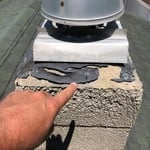
Roof Inspection
Roof Inspection
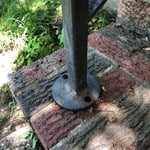
Porch Railing
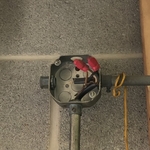
Electrical in Garage
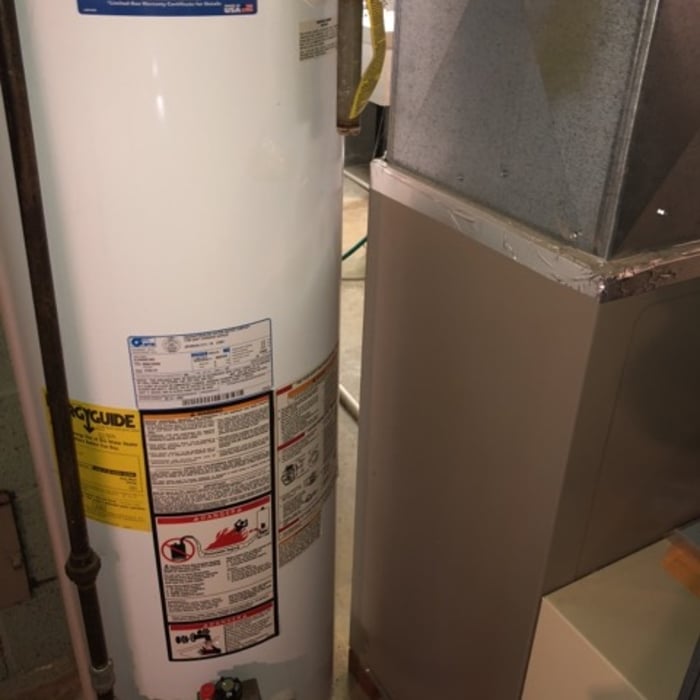
Water Heater

+10

Response time8 hrs
Recommended by97%of homeowners

Mid Ohio Radon Experts
New to Angi
Radon Gas - AbatementRadon Gas - Testing

Serving Guysville, OH and surrounding areas

In business since 2022

Free estimates

Offers commercial services

Mid Ohio Radon Experts LLC is a leader in providing our customers with the highest quality service in an honest, efficient, and professional way. Our pledge is to create successful relationships with our customers, employees and community by building trust, treating every project with the utmost integrity and exceeding expectations. We look forward to working with you!

Radon Detection and Reduction questions, answered by experts

The cost for a radon mitigation system typically ranges from $800 to $1,500, with an average around $1,000. The final price depends on several factors, including the size of your home, the severity of the radon issue, and the type of system required. Your home's foundation type also significantly impacts the cost. For example, sealing and ventilating an unfinished basement might cost around $4,600, while encapsulating a crawl space without a foundation slab can range from $1,500 to $15,000.

Keeping radon from getting into your home is much better than having to get rid of it once it's already indoors. While there may not be a way to fully prevent radon from getting into your home, there are things you can do to reduce the gas's ability to enter. 

Sealing foundation cracks and openings can help keep the gas from seeping inside. Improving air flow, such as by opening windows, can also be helpful. If you're building your home from scratch, talk to your contractor about using radon-resistant construction to keep the gas out.

Radon is a cancer-causing radioactive gas that poses serious health risks, infiltrating homes through foundation cracks and unnoticed spaces.

No level of radon is technically safe, but since it is present everywhere, complete avoidance is impossible. The average radon level in homes across the United States is 1.3 picocuries per liter (pCi/L). The Environmental Protection Agency (EPA) recommends taking preventative measures if your home's radon levels are between 2 and 4 pCi/L or higher.

Radon enters your home when warm air begins to rise and exits through the roof, creating a vacuum that pulls cooler air from under the foundation. Part of that air is radon, which is an invisible, odorless gas that develops naturally when radioactive particles are deep within the ground. Those particles usually come from decaying matter in soil and rocks.

The Guysville, OH homeowners’ guide to radon detection and reduction services

From average costs to expert advice, get all the answers you need to get your job done.