

Top-rated radon detection and reduction specialists.

Get matched with top radon detection and reduction specialists in Blennerhassett, WV

Enter your zip and get matched with up to 5 pros

Need a pro for your radon detection and reduction project in Blennerhassett, WV?

Select your specific project to find the pro for you.

Find Radon detection and reduction specialists in Blennerhassett

Avatar for Webb Property Inspections
Webb Property Inspections
5.0(
11
)
Radon Gas - Testing

Serving Blennerhassett, WV and surrounding areas

In business since 2002

Free estimates

Emergency services offered

"I was very satisfied with the service provided by Webb Property Inspections. From the beginning with Jennifer Cranford to the end with Darius Woods. Jennifer worked with me on getting this scheduled as soon as possible and making sure that I have everything I need to apply for permits, going as far as speaking with the building department. Darius was punctual, professional and thorough with the inspection, even completing it on a Sunday. I couldn’t be happier."
Home Inspection Project
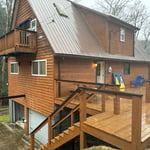
Brand new build inspection (pre-purchase).
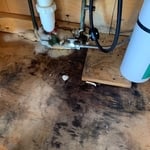
Water leak that has left the home with foreign substance growth.
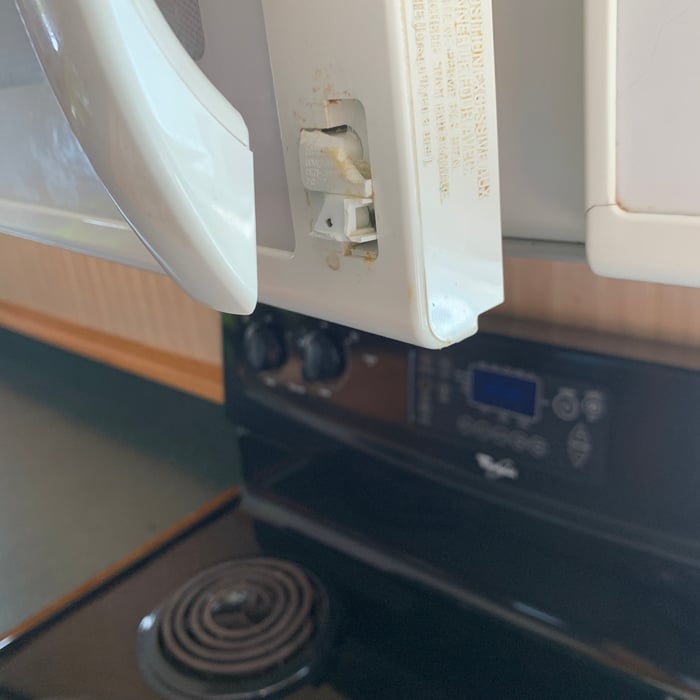
Microwave handle broken.

+35

Recommended by10%of homeowners
Radon Detection and Reduction questions, answered by experts

Keeping radon from getting into your home is much better than having to get rid of it once it's already indoors. While there may not be a way to fully prevent radon from getting into your home, there are things you can do to reduce the gas's ability to enter. 

Sealing foundation cracks and openings can help keep the gas from seeping inside. Improving air flow, such as by opening windows, can also be helpful. If you're building your home from scratch, talk to your contractor about using radon-resistant construction to keep the gas out.

The soil beneath your house is most likely what’s causing an increased level of radon. This is because soil holds radioactivity for a long time and it’s also what most buildings are built on. Another common source of radon is water from a source that hasn’t been through periodic radon tests, such as well water. Over time, the radon from the soil can inhabit other parts of your house like the foundation or plumbing.

No level of radon is technically safe, but since it is naturally present everywhere, it is impossible to avoid entirely. The average radon level in homes across the United States is 1.3 picocuries per liter (pCi/L). The Environmental Protection Agency (EPA) recommends taking action to reduce radon levels if your home's test results are between 2 and 4 pCi/L or higher.

Abatement includes sealing entry points and venting with systems that reduce radon levels below recommended EPA limits. It is handled by certified professionals.

No, air purifiers are not an effective way to reduce or remove radon. Radon is a radioactive, inert gas that cannot be filtered by standard air purifiers, which are designed to capture particulates like dust and mold. While an air purifier can improve indoor air quality by removing other pollutants, it should not be relied upon for radon. The only effective solution for high radon levels is a dedicated radon mitigation system.

The Blennerhassett, WV homeowners’ guide to radon detection and reduction services

From average costs to expert advice, get all the answers you need to get your job done.