




Top-rated radon detection and reduction specialists.

Get matched with top radon detection and reduction specialists in Little Hocking, OH

Enter your zip and get matched with up to 5 pros

Need a pro for your radon detection and reduction project in Little Hocking, OH?

Select your specific project to find the pro for you.

Find Radon detection and reduction specialists in Little Hocking

Avatar for Tri-State Smart Home Solutions, LLC
Tri-State Smart Home Solutions, LLC
4.9(
39
)

Serving Little Hocking, OH and surrounding areas

In business since 2018

Credit card accepted

"Very professional and courteous company. Chris was quick to respond, complete inspection and provide report. He answered all of our questions and provided a thorough report. I highly recommend!"
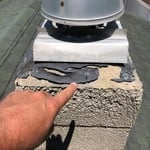
Roof Inspection
Roof Inspection
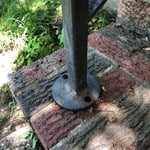
Porch Railing
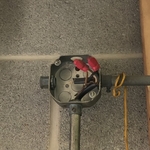
Electrical in Garage
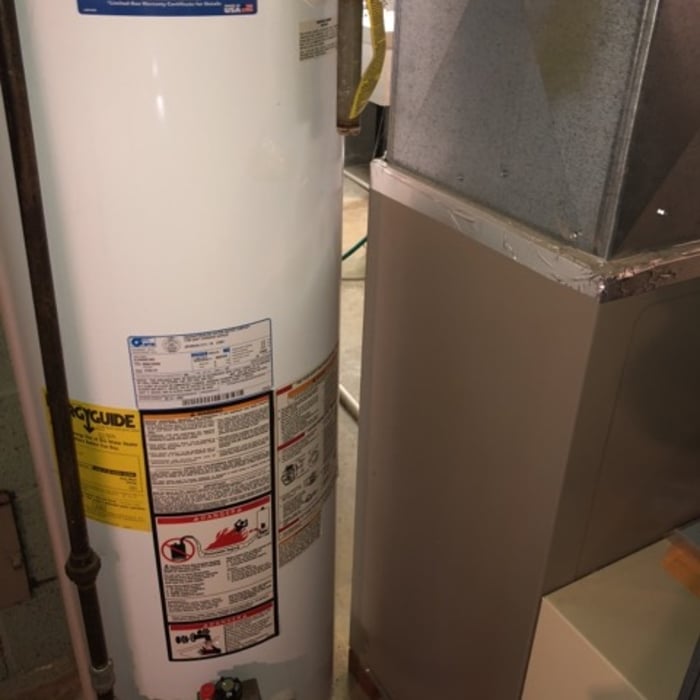
Water Heater

+10

Response time8 hrs
Recommended by97%of homeowners

Radon Detection and Reduction questions, answered by experts

The average radon mitigation system uses about 876 kWh of electricity per year, although the exact amount of electricity used will vary depending on the size of the radon fan. Once the system is installed, the annual increase to your energy bill could range from $30 to $300 per year, again depending on the size of the fan.

While DIY testing is possible, abatement generally requires professional installation to ensure efficacy and meet safety standards.

The cost to replace a radon fan ranges from $300 to $600 for the fan itself, with installation adding an additional $200 to $500. Overall, the total cost for replacement can range from $500 to $1,100, depending on factors such as the fan model, home size, and local labor rates. If the fan is part of a larger radon mitigation system, the price may be higher.

Your radon fan needs to operate 24/7 to be effective. The only time the fan isn't operating is during its replacement. Radon levels in the home can increase within hours if the fan stops working or something obstructs the stack vent. Fortunately, radon systems require no downtime maintenance between fan changes.

Ideally, no one will live in a house with elevated radon levels, as prolonged exposure increases the risk of serious health issues like lung cancer. However, homes with radon can be made safe through mitigation systems, such as active soil depressurization. Testing for radon regularly and addressing high levels helps ensure a safe living environment.

The Little Hocking, OH homeowners’ guide to radon detection and reduction services

From average costs to expert advice, get all the answers you need to get your job done.