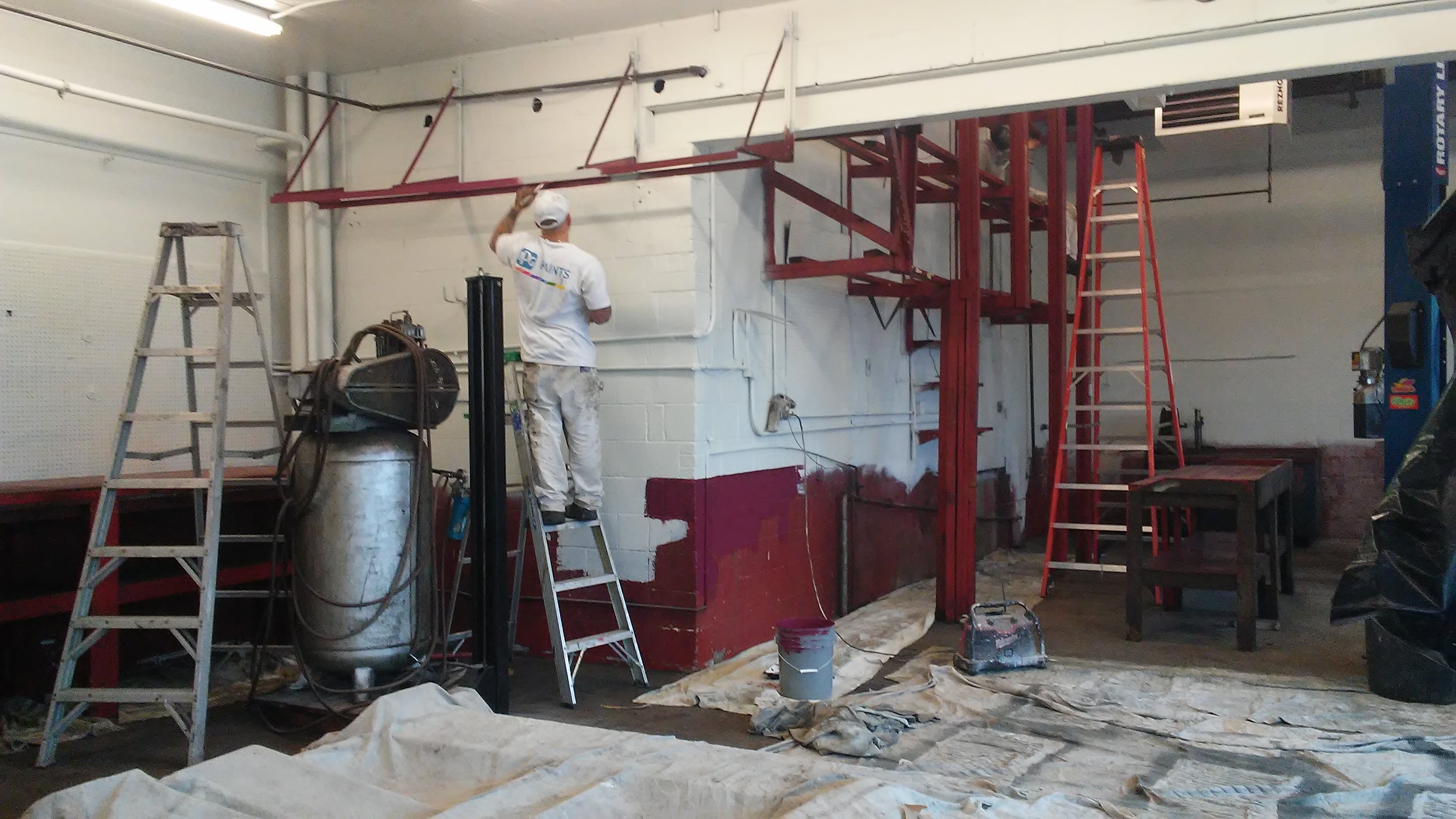








Top-rated garage pros.

Get matched with top garage pros in Botkins, OH

Enter your zip and get matched with up to 5 pros

Need a pro for your garage service project in Botkins, OH?

Select your specific project to find the pro for you.

Find Garage pros in Botkins

...
Showing 1-10 of 74
Garages questions, answered by experts

Garage door freezing is prompted by snowfall and freeze/thaw cycles instead of the temperature. If you get a lot of moisture around the garage door, whether from rain or melting snow, and temperatures quickly drop below freezing (32 degrees Fahrenheit) at night, that’s a recipe for a frozen garage door. Winters with steep temperature drops overnight are more likely to create this problem, especially low temperatures to sustain a freeze, so weather in the lower 20s is a common culprit.

You should lube your garage door components every three to six months depending on how frequently you open and close the door. Lubricant helps keep garage door components operating smoothly for longer; you can expect a much longer lifespan out of a garage door when you properly care for it, including frequent lubrication. Regular maintenance is much more affordable than the cost of replacing a garage door prematurely.

It’s possible to use a torch to melt ice on your garage door, but we don’t recommend it. It’s very easy to bring the flame too close to the door, which can melt the weather stripping or even the garage door itself. You’ll melt ice quickly with a torch, but the damage you’re likely to cause can end up costing you a few hundred dollars to fix, which isn’t worth it. Instead, we recommend pouring hot water over the frozen area or using a less intense heat source, like a hair dryer or space heater.

On average, a garage door can last between 15 and 30 years. However, this lifespan is influenced by several factors, including the quality and material of the door, local climate conditions, and how frequently it is used and maintained.

Key factors affecting longevity include:

  • Material: Wooden doors can last 20 to 30 years or more, while steel doors typically last 15 to 20 years. More robust options, like triple-layer steel, can last 25 to 30 years with proper care. The number of layers in a door also contributes to its durability, with each additional layer potentially adding five years to its life.

  • Maintenance: Regular inspections, cleaning, and immediate repairs can significantly extend the life of your garage door.

  • Usage and Climate: Doors in harsh climates or those used very frequently may wear out faster.

  • Components: Individual parts have different lifespans. For example, automatic openers may fail sooner than the door itself without regular maintenance, and garage door springs typically need replacement every 7 to 12 years.
While the door panels are designed to last as long as the door, they should be replaced sooner if they become visibly damaged, impact the door's smooth operation, or create a security risk.

Drywalling a garage is a smart decision if you want to protect your garage from fires, moisture damage, and exterior noise. Most garages have flammable supplies that could result in serious damage in the off chance of an accident. Drywall is fire resistant, helping to prevent fires from spreading. Not to mention, drywall can improve the appearance of a dingy, old garage.

The Botkins, OH homeowners’ guide to garage services

From average costs to expert advice, get all the answers you need to get your job done.