






Top-rated energy efficiency auditors.

Best energy efficiency auditors near Beaverdam, OH

Enter your zip and get matched with up to 5 pros

Need a pro for your energy efficiency auditing project in Beaverdam, OH?

Select your specific project to find the pro for you.

Top-Rated Energy efficiency auditors in Beaverdam - Updated Nov 2026

Avatar for Bradford Xteriors
Bradford Xteriors
4.5(
655
)
Energy Audit - For BusinessHome Energy Audit

Serving Beaverdam, OH and surrounding areas

In business since 2007

Free estimates

Emergency services offered

"The owner called me very quickly after I put in a request on Angi and emailed a detailed and very reasonable estimate that same evening. He texted me the next day to make sure I got the estimate and I was able to talk to him about the work that day. While I have decided to put off the work for a while, I would definitely consider using his company for the work as he has provided excellent customer service so far."
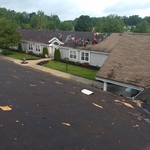
Nursing home Roof
Nursing home Roof
Bradford Xteriors
Bradford Xteriors
Bradford Xteriors

+1

Recommended by89%of homeowners

northshore pressure washing
New to Angi
Energy Audit - For BusinessHome Energy Audit

Serving Beaverdam, OH and surrounding areas

In business since 2011

Free estimates

We are one of the largest energy consulting companies in the country. We offer Free Energy Forcasts to businesses across a wide variety of climate zones. When implemented, our recommendations can consistently save you 17-22% on your energy costs, in the first year. We offer a variety of products, from an all-inclusive fixed product, to a variable option and a hybrid. Call today to see what solutions we can offer you! References are available from very happy clients.

Energy Efficiency Auditing FAQs, answered by experts

Depending on the level of audit you choose, a home energy audit will at least include a walk-through of the home to determine visible inefficiencies, but may include testing and a highly detailed inspection and report laying out the home’s inefficiencies and providing recommendations to fix those issues. The audit may also include a review of utility bills and mechanical testing. Consult your home energy auditor about the types of services they provide before hiring.

Replacing a window frame will improve your home’s energy efficiency if the old frame is cracked or damaged in a way that allows unconditioned air from the outside into your living space or if you upgrade to a more energy-efficient window frame material. Aluminum is the least energy-efficient window frame material, followed by vinyl and wood. Fiberglass and composite frames are the most energy-efficient.

If your AC runs constantly, it could be due to a number of things, including a faulty thermostat, incorrect temperature settings, or broken equipment. Alternatively, you might have an airflow problem (for example, blocked vents or leaky ductwork). Either way, an HVAC pro can identify the specific problem and fix it for you.

STC (Sound Transmission Class) is a rating that describes how well a building material or assembly blocks airborne sound. A higher STC rating means less noise will pass through the material, providing better sound reduction. This rating system applies to various building components, including windows, doors, flooring, drywall, and insulation.

For context, a typical single-pane window has an STC rating of around 25 (where normal conversations are audible), while a well-sealed, double-pane window can exceed STC 45 (blocking loud speech and most music). It is important to note that for some products, like soundproofing drywall, the STC rating refers to the entire wall system, not just the individual panel.

Additionally, STC ratings are most effective for measuring sound reduction at mid-to-high frequencies, such as human speech, and may not accurately reflect how well a material blocks low-frequency sounds like bass music or thunder. Because of these factors, it is recommended to consult a professional to determine the right STC-rated materials for your specific soundproofing needs.

A good SEER rating for an HVAC system is typically between 15 and 20. However, minimum requirements vary by location; HVAC systems in northern states must have at least a 14 SEER rating, while those in southern states need a minimum of 15. For the highest possible efficiency, look for units with a SEER rating of 21 or higher. It's important to remember that a SEER rating represents the maximum efficiency a unit can achieve, not the level at which it will operate at all times.

The Beaverdam, OH homeowners’ guide to energy efficiency auditing services

From average costs to expert advice, get all the answers you need to get your job done.