






Top-rated energy efficiency auditors.

Get matched with top energy efficiency auditors in Bluffton, OH

Enter your zip and get matched with up to 5 pros

Need a pro for your energy efficiency auditing project in Bluffton, OH?

Select your specific project to find the pro for you.

Find Energy efficiency auditors in Bluffton

Avatar for Bradford Xteriors
Bradford Xteriors
4.5(
655
)
Energy Audit - For BusinessHome Energy Audit

Serving Bluffton, OH and surrounding areas

In business since 2007

Free estimates

Emergency services offered

"The owner called me very quickly after I put in a request on Angi and emailed a detailed and very reasonable estimate that same evening. He texted me the next day to make sure I got the estimate and I was able to talk to him about the work that day. While I have decided to put off the work for a while, I would definitely consider using his company for the work as he has provided excellent customer service so far."

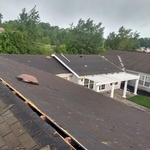
Nursing home Roof
Nursing home Roof
Bradford Xteriors
Bradford Xteriors
Bradford Xteriors

+1

Recommended by89%of homeowners

northshore pressure washing
New to Angi
Energy Audit - For BusinessHome Energy Audit

Serving Bluffton, OH and surrounding areas

In business since 2011

Free estimates

We are one of the largest energy consulting companies in the country. We offer Free Energy Forcasts to businesses across a wide variety of climate zones. When implemented, our recommendations can consistently save you 17-22% on your energy costs, in the first year. We offer a variety of products, from an all-inclusive fixed product, to a variable option and a hybrid. Call today to see what solutions we can offer you! References are available from very happy clients.

Energy Efficiency Auditing questions, answered by experts

To determine the right size generator for your house, you should calculate the total wattage of the appliances and devices you want to power during an outage. List all essential items, note their start-up wattages, and add them together.

Here are some typical wattage requirements for common appliances:

  • Refrigerator: 600 watts

  • Large dehumidifier: 700 watts

  • Large window air conditioner: 1,400 watts

  • Water heater: 3,000 to 4,500 watts

  • Electric furnace: 5,000 to 25,000 watts

A 7,500-watt generator might be sufficient for essentials like a refrigerator, freezer, well pump, and lighting circuits. However, for high-demand items like a water heater or furnace, a whole-home generator is a better choice. A portable generator may be enough if you only need to power a few critical items.

While home square footage can offer a rough estimate, it is not always a reliable indicator. For reference, here are some typical generator sizes based on square footage:

  • 1,000 sq ft: 6–9 kW

  • 1,500 sq ft: 7–10 kW

  • 2,000 sq ft: 10–14 kW

  • 2,500 sq ft: 12–16 kW

  • 3,000 sq ft: 16–20 kW+

For the most accurate sizing, consult a professional who can calculate your home's peak and average power consumption and recommend the optimal generator.

If you want a new boiler that’s going to help lower your fuel bills, you should buy one that has a high energy-efficiency rating. For example, a boiler that is rated “A” uses at least 90% of the energy created by the boiler. And in order to enjoy the best performance, it’s important to have it installed properly by a highly-rated tech.

Dehumidifiers typically use 300 to 700 watts of electricity per hour, whereas portable dehumidifiers use about 40 watts per hour. The exact amount of electricity your dehumidifier will generate depends on its capacity and energy efficiency. Generally, higher-capacity dehumidifiers generate more electricity than lower-capacity units, but they also usually have better energy efficiency over the long run.

Fireplaces can theoretically help you save on heating bills if you lower the temperature throughout the rest of your home and heat only a single room that you occupy using the fireplace. However, in most cases, homeowners won’t save any money on heating bills. Gas and electric fireplace inserts could actually lead to a spike in your respective energy bills if you use them frequently, and if you don’t keep up with chimney maintenance and repairs, your traditional masonry fireplace could actually be a source of heat loss in the winter.

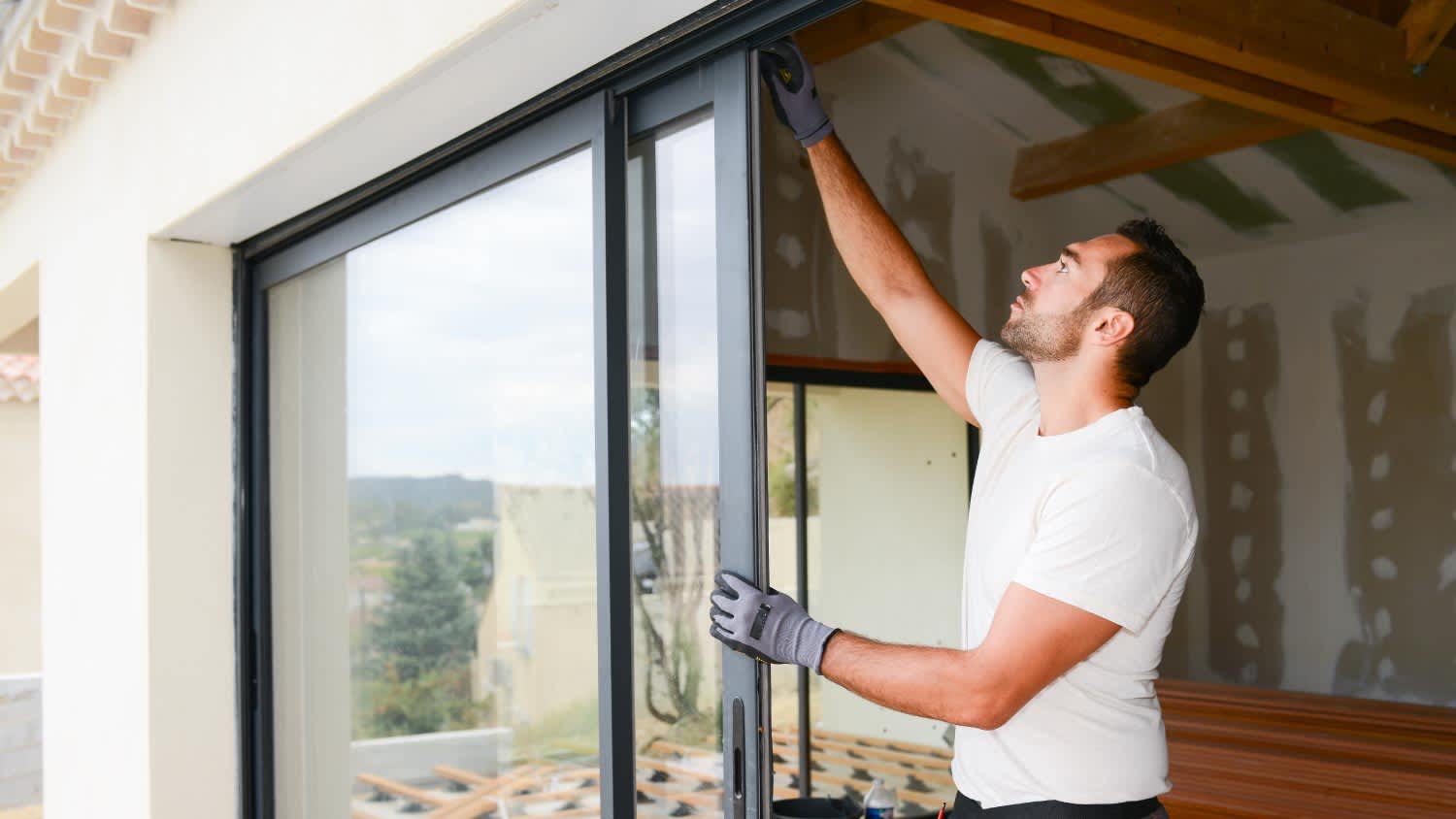
ENERGY STAR®-certified windows are the most energy-efficient windows on the market. This certification means that the window meets strict efficiency guidelines set forth by the Environmental Protection Agency. While they might cost more upfront, they can save you money on your energy bills in the long run. ENERGY STAR®-certified windows lower household energy bills by an average of 12% annually.

The Bluffton, OH homeowners’ guide to energy efficiency auditing services

From average costs to expert advice, get all the answers you need to get your job done.