







Top-rated energy efficiency auditors.

Best energy efficiency auditors near Dunkirk, OH

Enter your zip and get matched with up to 5 pros

Need a pro for your energy efficiency auditing project in Dunkirk, OH?

Select your specific project to find the pro for you.

Top-Rated Energy efficiency auditors in Dunkirk - Updated Nov 2026

Avatar for Bradford Xteriors
Bradford Xteriors
4.5(
655
)
Energy Audit - For BusinessHome Energy Audit

Serving Dunkirk, OH and surrounding areas

In business since 2007

Free estimates

Emergency services offered

"The owner called me very quickly after I put in a request on Angi and emailed a detailed and very reasonable estimate that same evening. He texted me the next day to make sure I got the estimate and I was able to talk to him about the work that day. While I have decided to put off the work for a while, I would definitely consider using his company for the work as he has provided excellent customer service so far."

Nursing home Roof
Nursing home Roof
Bradford Xteriors
Bradford Xteriors
Bradford Xteriors

+1

Recommended by89%of homeowners

northshore pressure washing
New to Angi
Energy Audit - For BusinessHome Energy Audit

Serving Dunkirk, OH and surrounding areas

In business since 2011

Free estimates

We are one of the largest energy consulting companies in the country. We offer Free Energy Forcasts to businesses across a wide variety of climate zones. When implemented, our recommendations can consistently save you 17-22% on your energy costs, in the first year. We offer a variety of products, from an all-inclusive fixed product, to a variable option and a hybrid. Call today to see what solutions we can offer you! References are available from very happy clients.

Energy Efficiency Auditing FAQs, answered by experts

You can increase your home’s load factor by replacing fuse boxes with a circuit breaker, hiring a licensed electrician to upgrade your electrical panel, upgrading wiring, or installing subpanels. An electrical inspection by an expert can help determine the state of your current electrical systems and how they can be improved.

Attic and whole-house fans improve a home's energy efficiency and comfort. They ventilate hot air from the attic, which reduces peak cooling loads, lowers reliance on air conditioning, and decreases indoor temperatures. This improved air circulation and expedited heat exit helps lower cooling costs, balance moisture levels, and enhance overall natural airflow, contributing to the efficient operation of other home equipment.

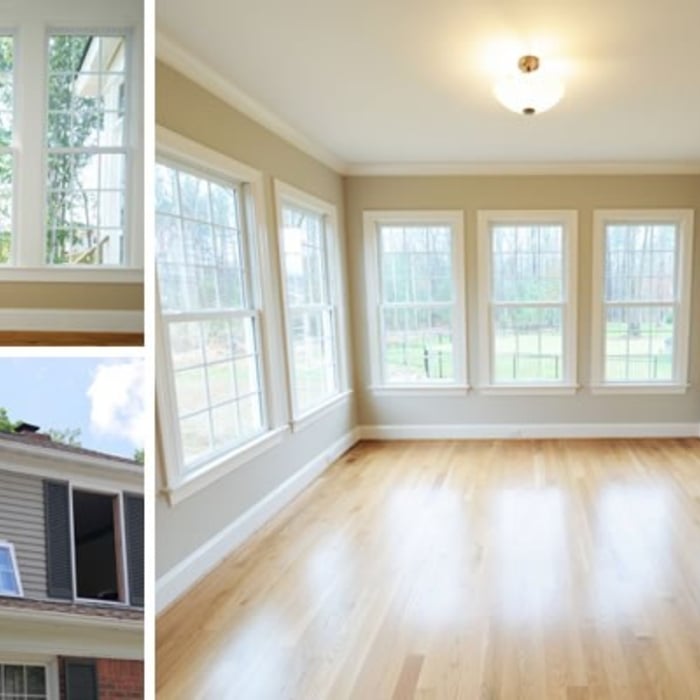
Energy-efficient windows are judged on their performance according to a few different factors, including heat transfer, air leakage, light transference, and condensation resistance. If you're unsure whether a window is energy-efficient, look for an ENERGY STAR® label from the U.S. Environmental Protection Agency (EPA). If various products, including windows, meet energy-efficiency standards set by the federal government, the EPA issues this label to help consumers identify energy-efficient products.

Fireplaces can theoretically help you save on heating bills if you lower the temperature throughout the rest of your home and heat only a single room that you occupy using the fireplace. However, in most cases, homeowners won’t save any money on heating bills. Gas and electric fireplace inserts could actually lead to a spike in your respective energy bills if you use them frequently, and if you don’t keep up with chimney maintenance and repairs, your traditional masonry fireplace could actually be a source of heat loss in the winter.

To determine the right size generator for your house, you should calculate the total wattage of the appliances and devices you want to power during an outage. List all essential items, note their start-up wattages, and add them together.

Here are some typical wattage requirements for common appliances:

  • Refrigerator: 600 watts

  • Large dehumidifier: 700 watts

  • Large window air conditioner: 1,400 watts

  • Water heater: 3,000 to 4,500 watts

  • Electric furnace: 5,000 to 25,000 watts

A 7,500-watt generator might be sufficient for essentials like a refrigerator, freezer, well pump, and lighting circuits. However, for high-demand items like a water heater or furnace, a whole-home generator is a better choice. A portable generator may be enough if you only need to power a few critical items.

While home square footage can offer a rough estimate, it is not always a reliable indicator. For reference, here are some typical generator sizes based on square footage:

  • 1,000 sq ft: 6–9 kW

  • 1,500 sq ft: 7–10 kW

  • 2,000 sq ft: 10–14 kW

  • 2,500 sq ft: 12–16 kW

  • 3,000 sq ft: 16–20 kW+

For the most accurate sizing, consult a professional who can calculate your home's peak and average power consumption and recommend the optimal generator.

The Dunkirk, OH homeowners’ guide to energy efficiency auditing services

From average costs to expert advice, get all the answers you need to get your job done.