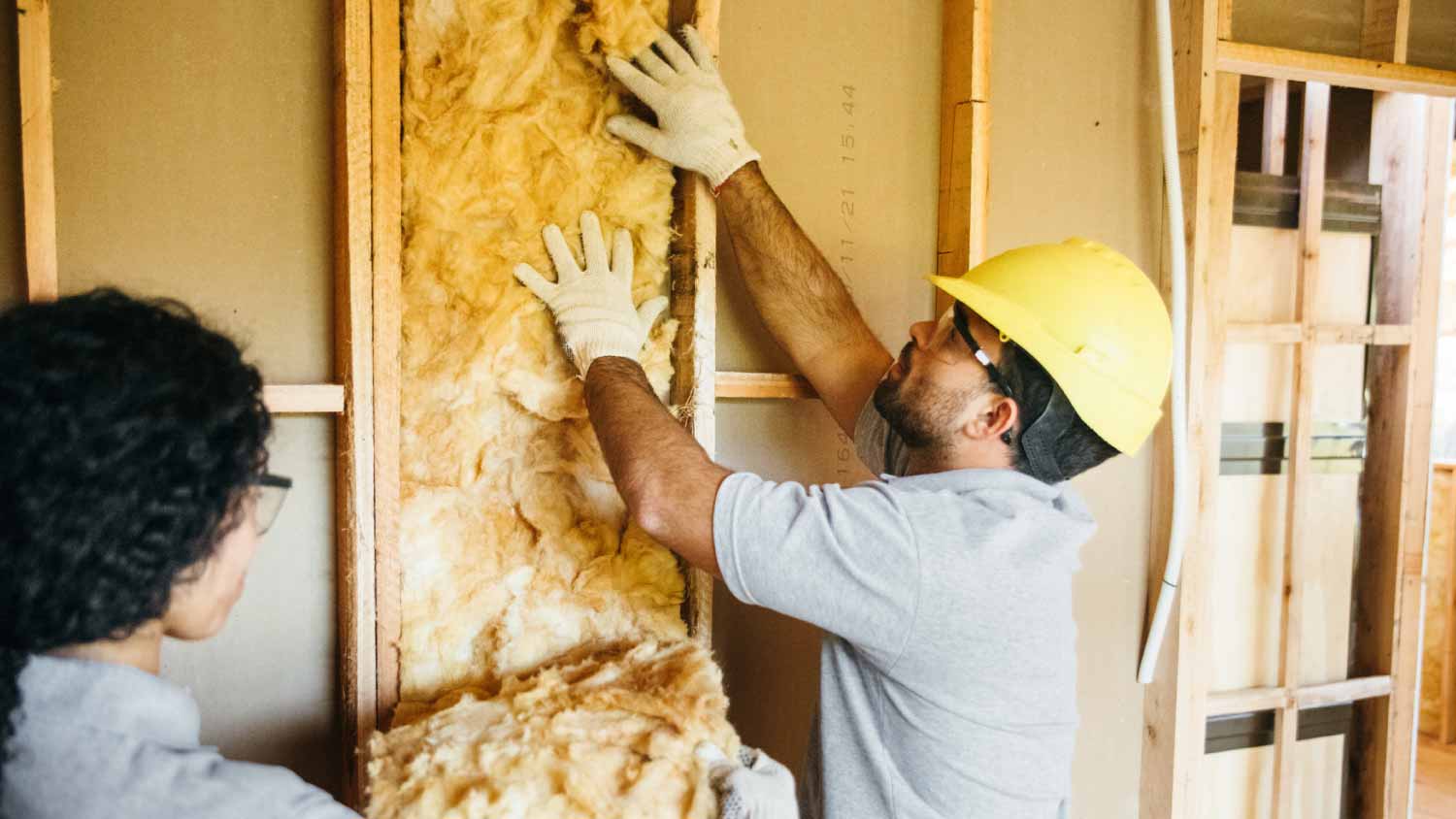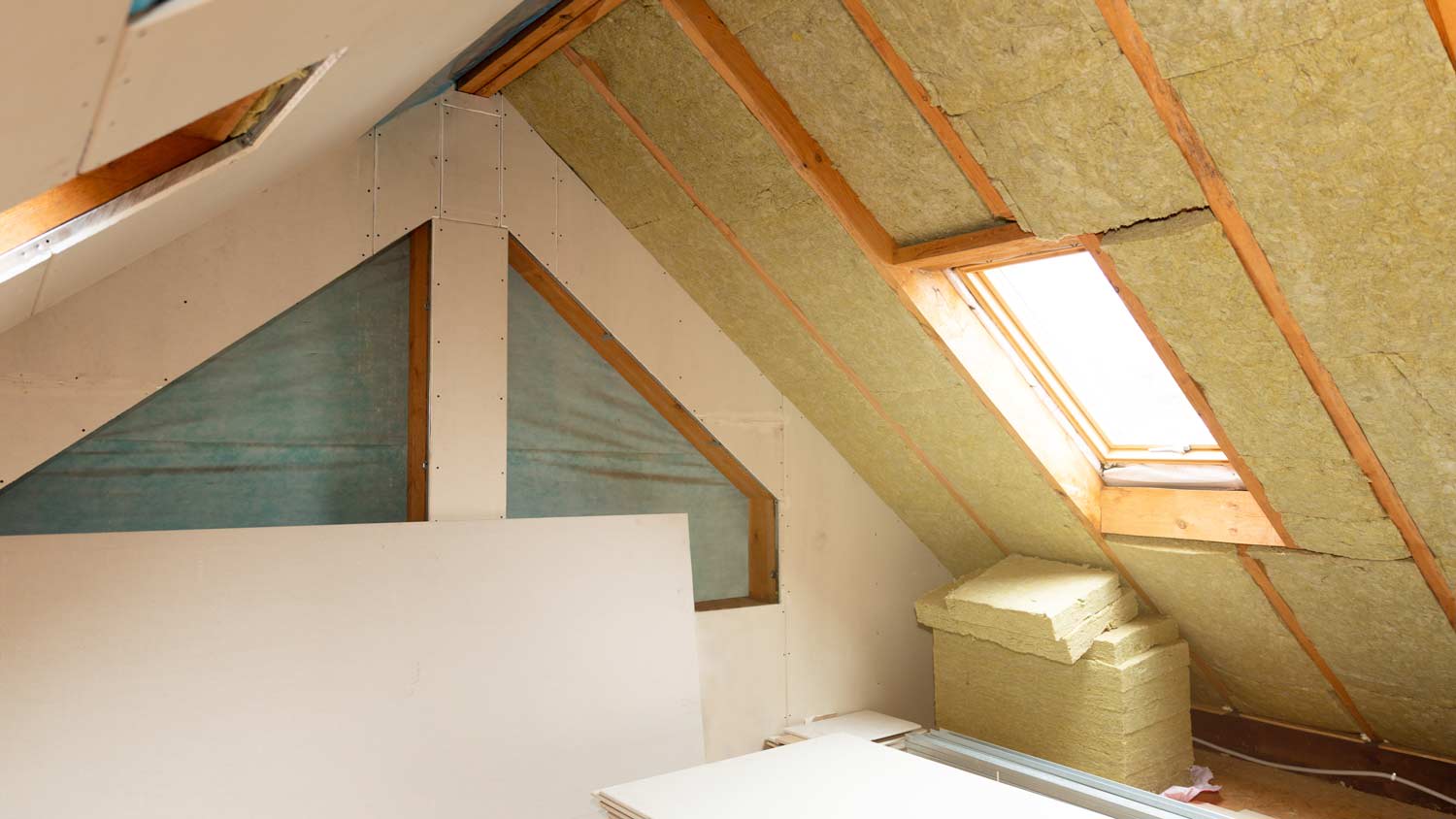


Top-rated drywall insulation pros.

Best drywall insulation pros near Alliance, OH

Enter your zip and get matched with up to 5 pros

Need a pro for your drywall insulation project in Alliance, OH?

Select your specific project to find the pro for you.

TRUSTED BY ALLIANCE, OH HOMEOWNERS

  • Average homeowner rating star icon4.5
    Average homeowner rating
  • Verified reviews icon63
    Verified drywall insulation services reviews

Top-Rated Drywall insulation pros in Alliance - Updated Nov 2026

Avatar for Primary Home Improvements
Primary Home Improvements
5.0(
27
)
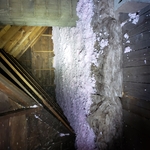
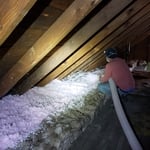
Blown-In Insulation - Install or Upgrade

Serving Alliance, OH and surrounding areas

Approved

In business since 2021

Free estimates

Warranties offered

"They arrived on time, it took about 2.5 hours, there is at least 18 inches or more of insulation, and I cannot wait to see the difference in the temperature in the house! Next weekend will be to do blown in insulation in the walls! Many thanks to owner Mike DePasquale and Energy Consultant Kevin Sweeney!"
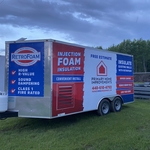
RetroFoam Injection Foam Insulation
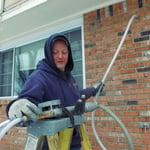
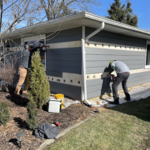
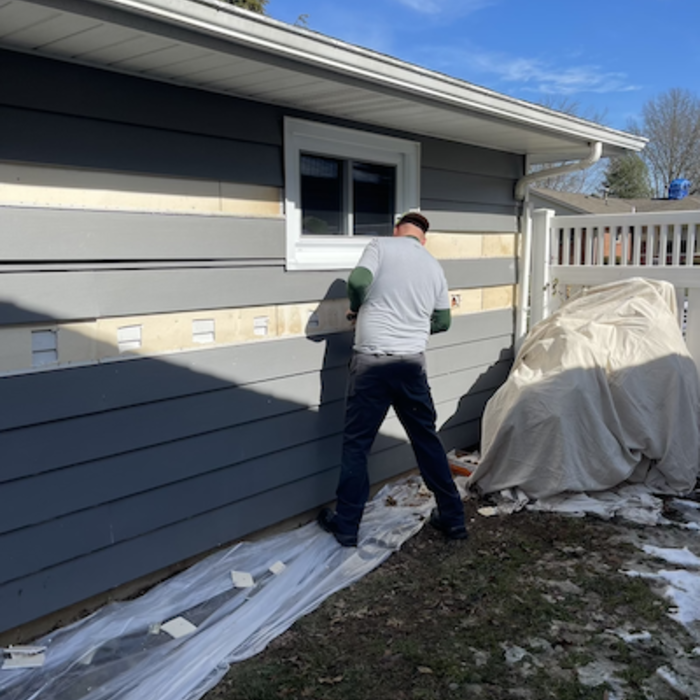
Primary Home Improvements Insulation Crew

+3

Response time10 hrs
Response rate88%
17 neighbors recently requested a quote
Avatar for Home Genius Exteriors
Home Genius Exteriors
4.7(
257
)
Blown-In Insulation - Install or Upgrade

Serving Alliance, OH and surrounding areas

Approved

In business since 2004

Free estimates

Credit card accepted

"We originally had Home Genius do our roof last year, so when it was time to do our siding a few months ago we called them again because of their exceptional service and professionalism. And now we just had some windows replaced and will be calling them for any future needs."
Roofing
Roofing
Roofing
Roofing
Roofing

+82

Recommended by86%of homeowners
Showing 1-10 of 47
Drywall Insulation FAQs, answered by experts

Brick and stucco are a lot more different. You must use picture hanging clips designed for brick walls, or use a plaster rail system with adjustable hooks. Any other type of hanging hardware will cause damage to the bricks behind. You won’t be able to really use nails, either, because they’re not strong enough to go into the bricks.

If you plan on heating your garage, you must install a vapor barrier when drywalling the garage. A vapor barrier protects your garage from frost and mold that can occur through condensation. If your garage is unheated, you don't need to install a vapor barrier. The only exception is if you regularly crank the heat in your car before getting in it. In this case, you may still want to install a vapor barrier, as your car can heat your garage.

The short answer is yes, a sagging plaster ceiling is dangerous. Sagging plaster on a wall is something you should fix immediately, but it isn’t a major concern. If the same type of sagging occurs on a ceiling, however, you could be in danger of your ceiling falling in large chunks. When plaster sags, it loses its strength and ability to hold itself up. The bonds that hold it together are strong, though, so if a sagging area falls, it will take large pieces down with it.

Drywall can be toxic to the environment and to humans in some cases. As drywall breaks down in a landfill and comes in contact with other organic chemicals, it can create hydrogen sulfide gas or leach into the groundwater. Additionally, the CDC recommends methods for controlling the inhalation of drywall dust when handled. While the common ingredients of drywall—gypsum, silica, and mica—are naturally occurring, they can cause irritation in some humans.

The two most common drywall thicknesses for ceilings are 1/2-inch and 5/8-inch. For most standard residential applications, 1/2-inch drywall is sufficient and widely used. It provides adequate support and is lighter and easier to handle during installation compared to thicker sheets. However, 5/8-inch drywall is often used for specific cases where additional benefits are needed. It is heavier but provides superior sound dampening and fire resistance. You should consider using 5/8-inch drywall for ceilings in commercial buildings, between a garage and a living space, or above a finished basement to meet building codes or for enhanced soundproofing.

The Alliance, OH homeowners’ guide to drywall insulation services

From average costs to expert advice, get all the answers you need to get your job done.