Top-rated drywall pros.

Best drywall pros near Wingdale, NY

Enter your zip and get matched with up to 5 pros

Need a pro for your drywall service project in Wingdale, NY?

Select your specific project to find the pro for you.

TRUSTED BY WINGDALE, NY HOMEOWNERS

  • Average homeowner rating star icon4.9
    Average homeowner rating
  • Verified reviews icon55
    Verified drywall services reviews

Top-Rated Drywall pros in Wingdale - Updated Nov 2026

Avatar for ADR Advanced Painting
ADR Advanced Painting
5.0(
319
)
Drywall - RepairDrywall - Repair - For Business

Serving Wingdale, NY and surrounding areas

Approved

In business since 2007

Free estimates

Small jobs welcome

"Arek and his team are top notch. They are professional, responsive and the quality of work they do is unmatched. I recently had them patch drywall holes and repaint. They did a great job with the patches and matching the paint. It was like the holes were never there. I would recommend them for any of your painting needs."
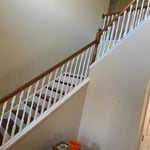
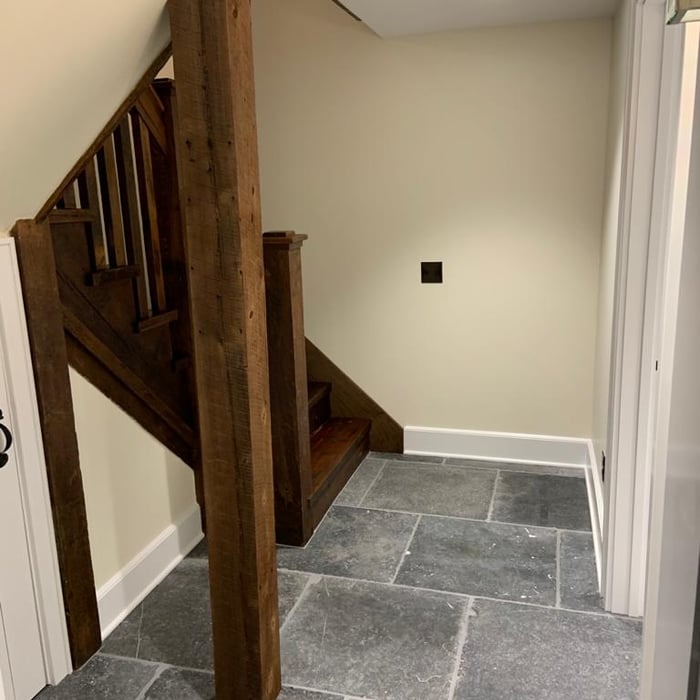
Stairs in need of a fresh coat of paint
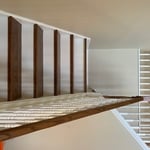
Painted Staircase
Painted Staircase
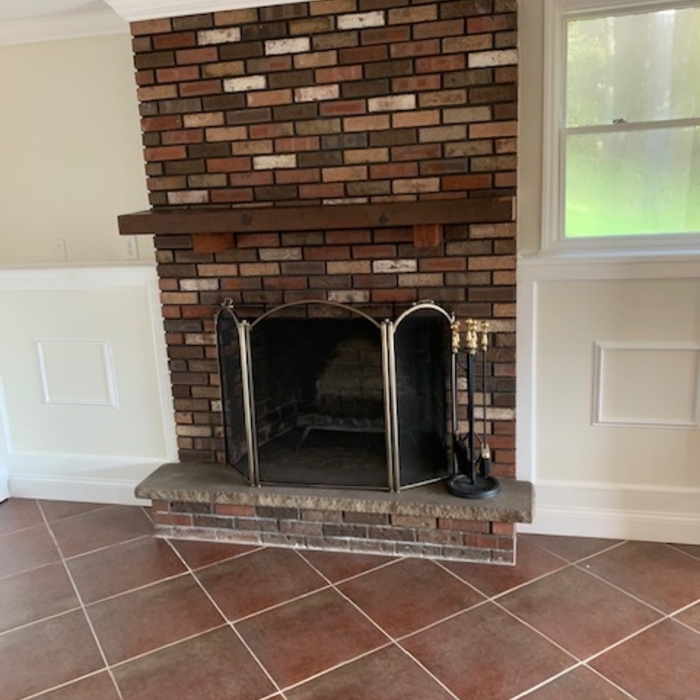
Fireplace Before

+6

Response time10 hrs
Recommended by86%of homeowners
...
Showing 1-10 of 235
Drywall FAQs, answered by experts

In framing, studs are placed at 16-inch intervals to coincide with the typical spacing of wall materials such as drywall or plywood. This spacing is called "on-center" and is necessary for maintaining structural stability and efficient use of materials. The 16-inch spacing also helps to distribute the weight evenly across the building's structure. For those looking to cut material costs and improve energy efficiency, 24-inch stud spacing can be employed through a method called "advanced framing". This requires careful planning and adherence to local building codes to ensure structural integrity.

Both plaster and drywall are durable wall finishes, but they differ significantly in installation, cost, performance, and aesthetics.

Installation & Cost: Drywall installation is faster and more affordable, typically costing $1.50 to $3 per square foot. It uses premade sheets, making it a more accessible DIY project. Plastering is a labor-intensive craft that requires specialized skills, pushing costs to $2 to $10 per square foot. It involves applying a wet paste over a lath framework.

Durability & Performance: Plaster is generally more durable, longer-lasting, and provides superior soundproofing. It is also a better insulator, which can help reduce energy costs. Drywall is easier to remove for future renovations.

Aesthetics: Drywall provides a smooth, uniform surface ready for paint or texture. Plaster offers a high-end, naturally textured look that can hide imperfections and is often preferred for achieving a classic or historic aesthetic.

Which is better? The choice depends on your priorities. Drywall is ideal for those prioritizing a lower upfront cost, faster installation, and DIY potential. Plaster is the better option for a higher-end project where durability, soundproofing, and a unique, premium finish are more important than the initial cost.

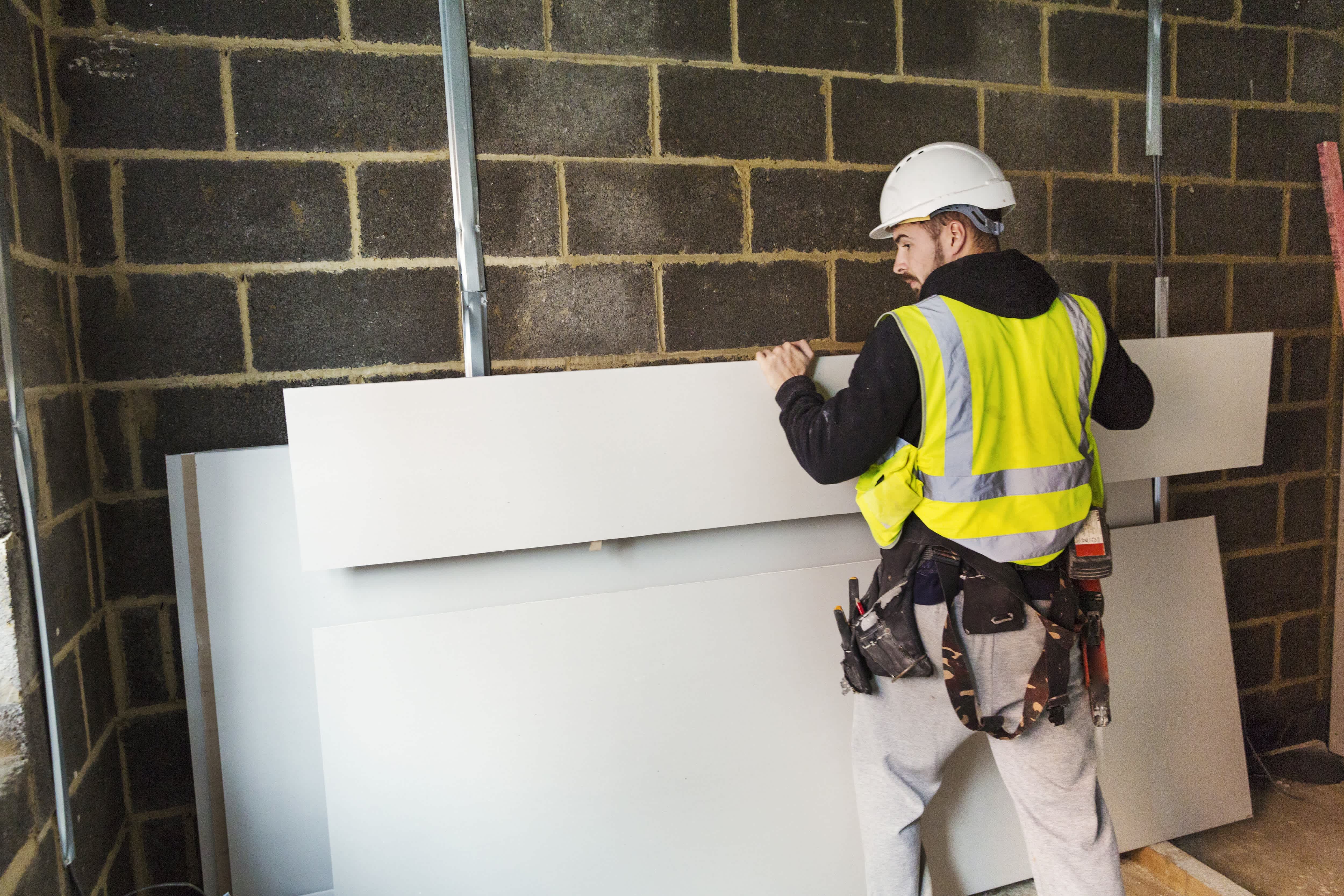
It doesn’t matter which way you lay drywall, and you can choose to install it horizontally or vertically depending on the size of the wall and how tall the ceiling is. It’s easier to lay drywall sheets vertically if you have a taller ceiling, but laying sheets horizontally makes it easier to apply joint compound.

Whether you need a drywall anchor depends on the specifics of your project, particularly what you're hanging and where. You do not need a drywall anchor if you can screw or nail the object directly into a wooden stud, as the wood provides sufficient support and stability. However, if there are no studs in the location where you plan to hang the item, you should use drywall anchors to ensure it is securely supported. For very lightweight objects, like small pictures, adhesive picture hanging strips can be a suitable alternative to anchors.

Applying plaster to a wall will usually cost between $2 and $10 per square foot for both the material and labor. The cost will vary based on the quality of the plaster you’re using and whether or not prep work is required before the work begins. Wall prep can add up to about 10% to your total costs. Plastering exterior walls can be more expensive in many cases because they are taller and require scaffolding and safety equipment.
The Wingdale, NY homeowners’ guide to drywall services

From average costs to expert advice, get all the answers you need to get your job done.