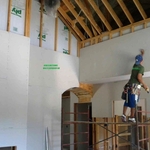



Top-rated drywall pros.

Get matched with top drywall pros in Salt Point, NY

Enter your zip and get matched with up to 5 pros

Need a pro for your drywall service project in Salt Point, NY?

Select your specific project to find the pro for you.

TRUSTED BY SALT POINT, NY HOMEOWNERS

  • Average homeowner rating star icon4.9
    Average homeowner rating
  • Verified reviews icon42
    Verified drywall services reviews

Find Drywall pros in Salt Point

Avatar for ADR Advanced Painting
ADR Advanced Painting
5.0(
311
)

Serving Salt Point, NY and surrounding areas

Approved

In business since 2007

Free estimates

Small jobs welcome

"Arek and his team are top notch. They are professional, responsive and the quality of work they do is unmatched. I recently had them patch drywall holes and repaint. They did a great job with the patches and matching the paint. It was like the holes were never there. I would recommend them for any of your painting needs."
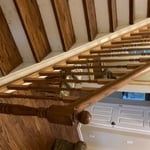
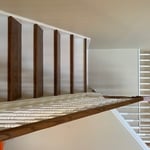
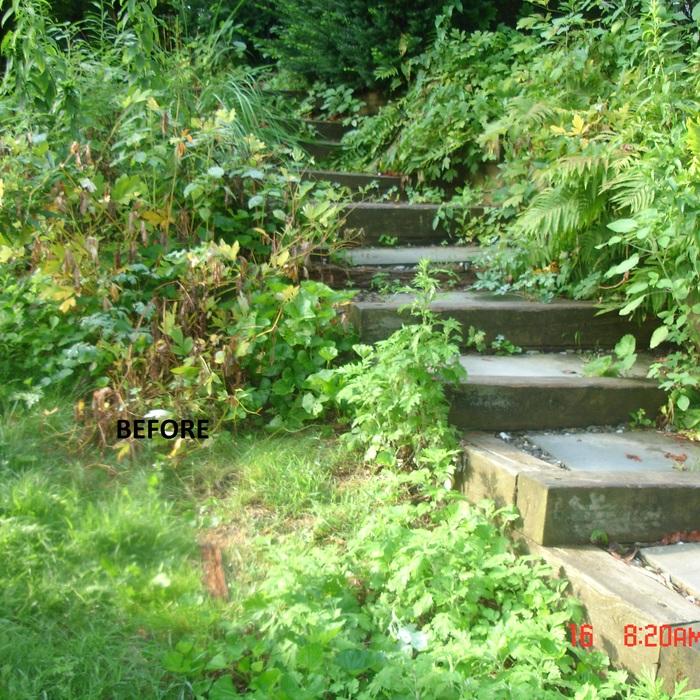
Stairs in need of a fresh coat of paint
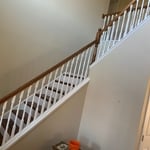
Painted Staircase
Painted Staircase
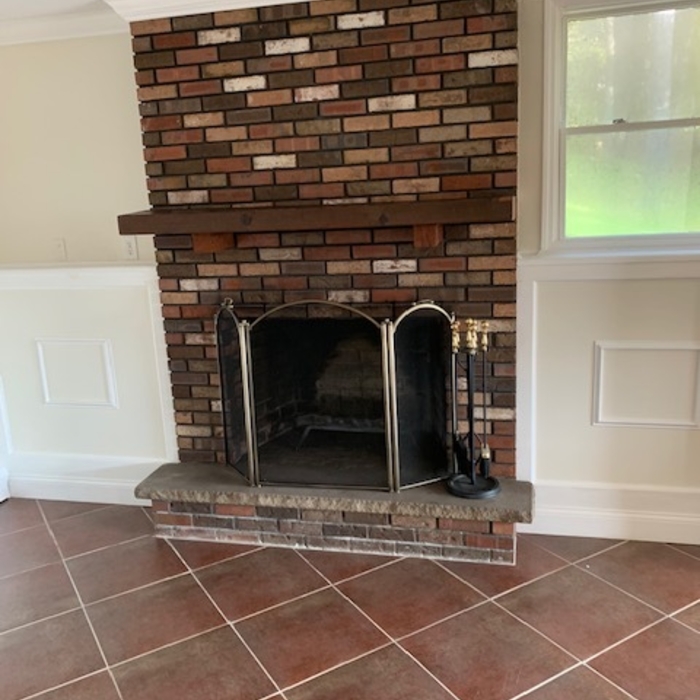
Fireplace Before

+6

Response time10 hrs
Recommended by89%of homeowners
Avatar for Greenstone Waterproofing
Greenstone Waterproofing
4.5(
151
)

Serving Salt Point, NY and surrounding areas

Approved

In business since 2009

Free estimates

Small jobs welcome

"Juan was the only person who actually listened to our problem and gave us a practical solution. He was friendly, reasonably priced and his work was well done. He installed a drain, poured concrete, cut and reinstalled drywall and fixed two foundation issues. I highly recommend Greenstone Waterproofing."
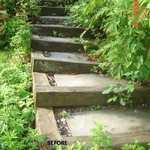
old wood steps
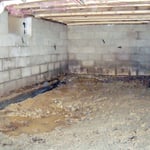
 BEFORE Crawl Spaces
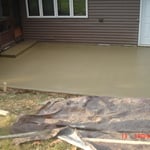
 concrete
 drywall installation
old wood steps

+73

Response time1 day
18 neighbors recently requested a quote
Recommended by92%of homeowners
...
Showing 1-10 of 235
Drywall questions, answered by experts

There are six levels of drywall finish, from 0 to 5, that refer to the amount of work performed during the finishing process.
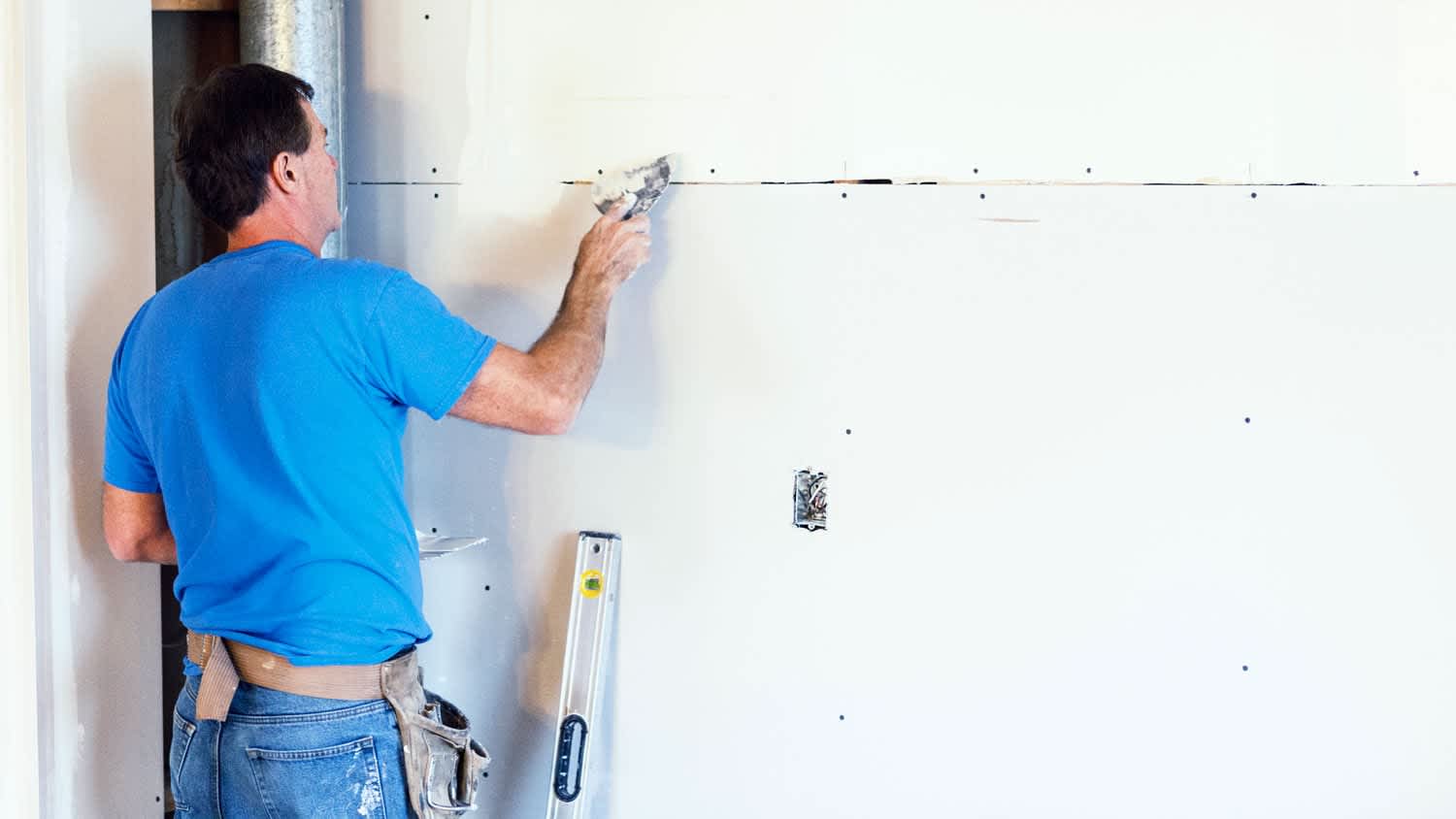
Level 0: Drywall is hung with no finishing work.

Level 1: Tape is placed over the seams between drywall sheets.

Level 2: A thin layer of mud is applied over the tape and screw holes. This level is common for utility rooms or walls that will be covered.

Level 3: A full coat of mud covers the screw holes and tape, but the surface is not sanded. This is often used in garages.

Level 4: This is the most common finish for visible interior walls. It involves applying two coats of mud over seams and screw holes, with sanding between each coat, creating a smooth surface ready for flat paint.

Level 5: This is a high-end finish for luxury homes. It includes full taping, mudding, and sanding, plus a final skim coat over the entire surface before painting.

Whether it’s better to screw or glue drywall depends on your specific budget and project timeline. Professional drywall installers are more likely to use screws and fasteners than adhesives, but it takes longer. But if you are DIYing your drywall installation, glue is a perfectly fine choice if you’re willing to pay extra for adhesive.

Yes, any parts of drywall that are wet or overly moist will need to be replaced. Drywall is intended to be dry (it’s in the name, after all.), as excess moisture can lead to mold and mildew and eventually corrode your home’s foundational building pieces. Do regular inspections in your home to make sure all your plumbing is intact and in good condition—this will go a long way toward preventing leaks.

You should wait at least 24 hours for drywall mud to dry before sanding or applying another coat. However, the exact drying time depends on several factors, including the thickness of the application, room temperature, humidity, and the type of compound used. Thicker layers, or projects in high humidity, may require 48 hours or more. Lightweight compounds tend to dry faster than heavier, all-purpose ones. You'll know the mud is ready when it feels completely dry and firm to the touch and has changed to a consistent light color. Sanding too early can cause smudging or gouges, so patience is essential for a smooth finish.

Whether a drywall anchor can be reused depends on its material, type, and the method of removal. Plastic anchors, including expansion and self-drilling types, are generally designed for single use as they tend to break or deform upon removal. Metal anchors, such as toggle bolts, are more durable and may be reusable if they are not damaged during extraction. However, with toggle bolts, the toggle piece can fall into the wall cavity when the bolt is removed, making it difficult to retrieve. If an anchor is damaged during removal, for instance by having its head cut off, it cannot be reused regardless of the material.

The Salt Point, NY homeowners’ guide to drywall services

From average costs to expert advice, get all the answers you need to get your job done.