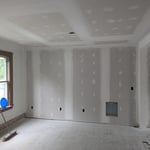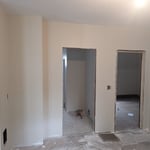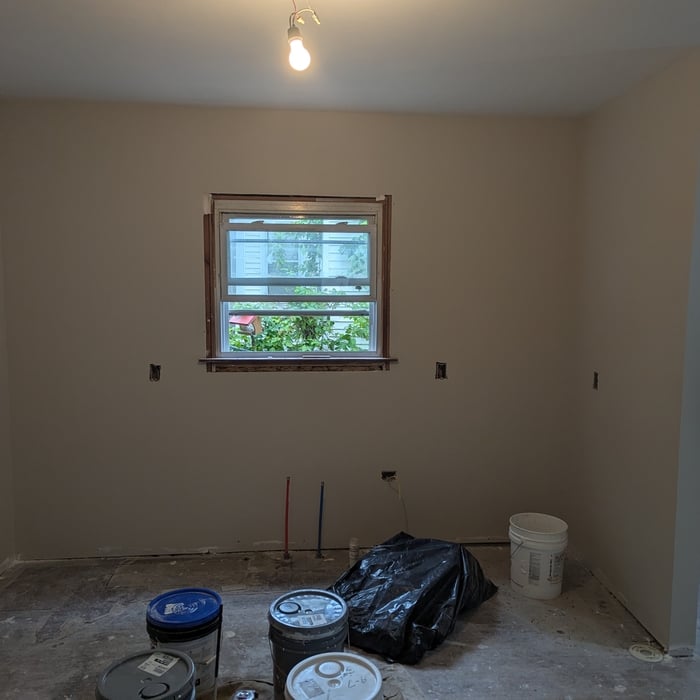



Top-rated drywall pros.

Get matched with top drywall pros in Verona, NY

Enter your zip and get matched with up to 5 pros

Need a pro for your drywall service project in Verona, NY?

Select your specific project to find the pro for you.

TRUSTED BY VERONA, NY HOMEOWNERS

  • Average homeowner rating star icon4.1
    Average homeowner rating
  • Verified reviews icon26
    Verified drywall services reviews

Find Drywall pros in Verona

Avatar for Wratten Contracting
Wratten Contracting
4.9(
19
)
Drywall - InstallDrywall - Repair

Serving Verona, NY and surrounding areas

In business since 2020

Free estimates

"Wratten Contracting was very fast in taking care of my project. Excellent work and very reasable prices. Highly recommend them. They will be my go-to contractor for future work."
Repair
Upstairs bedroom
Upstairs Remodel
Upstairs Remodel
Upstairs Remodel

+111

Response time7 hrs
Response rate90%
Recommended by100%of homeowners
Avatar for MARA Home Improvement
MARA Home Improvement
5.0(
13
)
Drywall - InstallDrywall - Repair

Serving Verona, NY and surrounding areas

In business since 2018

Free estimates

Credit card accepted

"We had Mara home improvement come by for a sheetrock repair and ended up remodeling my entire kitchen. They gave me the kitchen of my dreams. the owner was so responsive and made our budget work for us. Would highly recommend!"
Response time11 hrs
Response rate100%
...
Showing 1-10 of 99
Drywall questions, answered by experts

Although they have similar applications, spackle and joint compound are not the same. Their primary differences lie in their composition, consistency, and ideal use cases.

Spackle is composed of gypsum and binding agents, making it thicker than joint compound. It dries quickly and is easy to sand, which makes it ideal for small wall repair projects like filling nail holes or patching minor damage.

Joint compound, also known as drywall mud, consists of limestone and gypsum. It is primarily used for large-scale projects, such as taping and finishing the seams on newly installed drywall. It tends to shrink more than spackle and can be more difficult to spread.

While both products can be used to fill small depressions and cracks, spackle cannot replace joint compound for taping and mudding new drywall. Conversely, you can often use joint compound for small patching jobs typically done with spackle.

If you plan on heating your garage, you must install a vapor barrier when drywalling the garage. A vapor barrier protects your garage from frost and mold that can occur through condensation. If your garage is unheated, you don't need to install a vapor barrier. The only exception is if you regularly crank the heat in your car before getting in it. In this case, you may still want to install a vapor barrier, as your car can heat your garage.

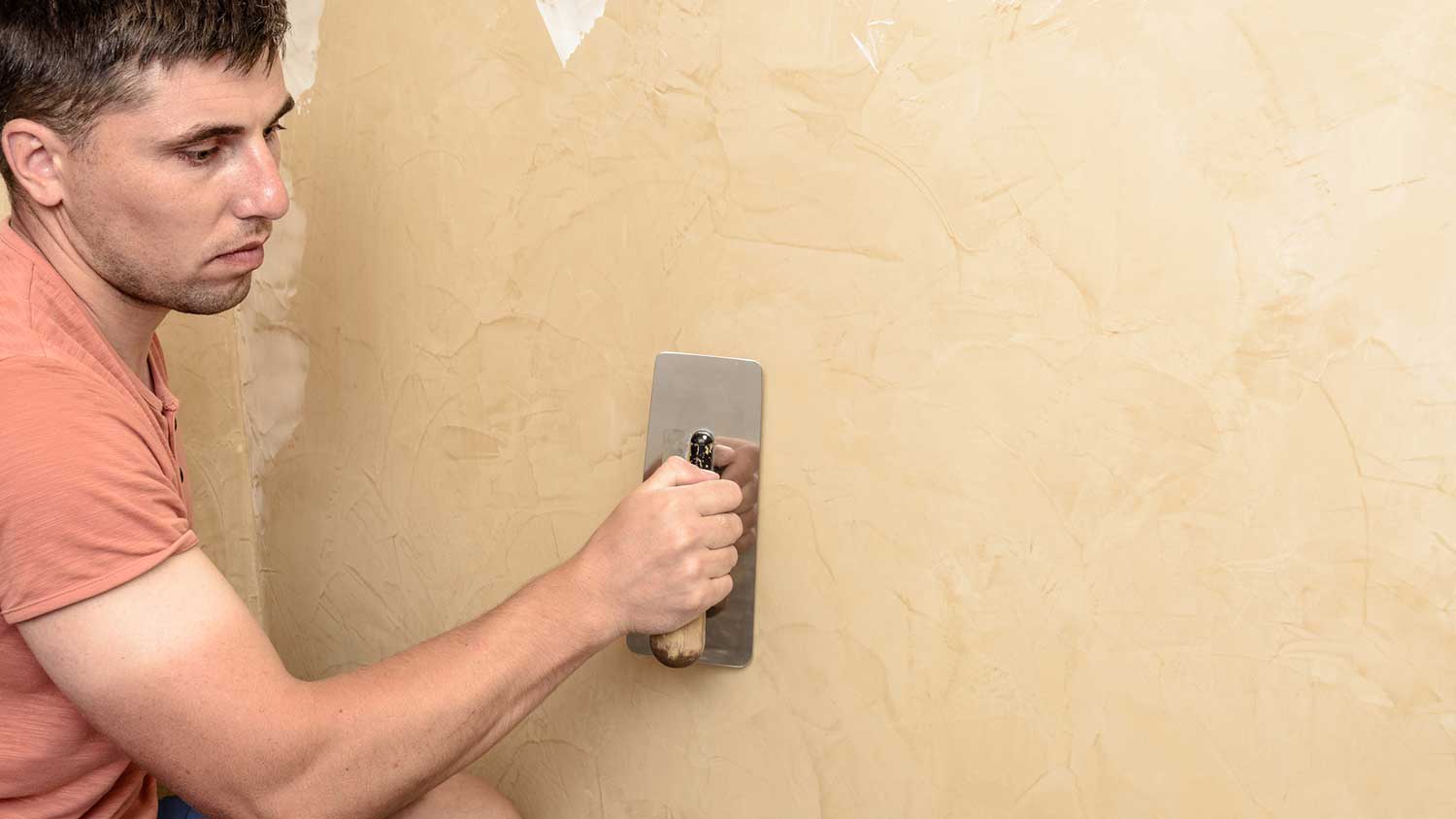
It is possible to apply plaster on the interior or exterior of your home, but we don’t recommend it. Plaster is easy to apply in theory, but in reality, it can be a challenging material to work with, and it’s difficult to get the finished product to look clean, even, and smooth. Many DIYers end up calling in a professional afterward to touch up the area or even redo it entirely because of mistakes they made in the process. Hiring a plaster pro will cost more, but it’s usually the best option to achieve high-quality results.

Venetian plaster is a highly durable wall finish that becomes a rock-like substance once dried, making it last longer than most other wall finishes. Its lifespan can range from decades to centuries, potentially lasting a lifetime. Key factors influencing its longevity include the quality of the initial application, whether it's properly sealed against moisture, and how the wall is maintained and treated (e.g., how often it is touched or bumped). Due to its mineral content, it can also develop a patina over time.

There are six levels of drywall finish, from 0 to 5, that refer to the amount of work performed during the finishing process.

Level 0: Drywall is hung with no finishing work.

Level 1: Tape is placed over the seams between drywall sheets.

Level 2: A thin layer of mud is applied over the tape and screw holes. This level is common for utility rooms or walls that will be covered.

Level 3: A full coat of mud covers the screw holes and tape, but the surface is not sanded. This is often used in garages.

Level 4: This is the most common finish for visible interior walls. It involves applying two coats of mud over seams and screw holes, with sanding between each coat, creating a smooth surface ready for flat paint.

Level 5: This is a high-end finish for luxury homes. It includes full taping, mudding, and sanding, plus a final skim coat over the entire surface before painting.

The Verona, NY homeowners’ guide to drywall services

From average costs to expert advice, get all the answers you need to get your job done.