



Top-rated asphalt driveway pros.

Get matched with top asphalt driveway pros in Verona, NY

Enter your zip and get matched with up to 5 pros

Need a pro for your asphalt driveway service project in Verona, NY?

Select your specific project to find the pro for you.

TRUSTED BY VERONA, NY HOMEOWNERS

  • Average homeowner rating star icon4.1
    Average homeowner rating
  • Verified reviews icon27
    Verified asphalt driveway services reviews

Find Asphalt driveway pros in Verona

Avatar for JR HVAC Electric & Appliance Repair
JR HVAC Electric & Appliance Repair
4.5(
11
)
Asphalt Paving - InstallAsphalt Paving - Repair or PatchAsphalt Sealing+3 more

Serving Verona, NY and surrounding areas

Approved

In business since 2025

Free estimates

Warranties offered

"Jeffrey did an excellent job diagnosing and fixing an intermittent electrical issue in my basement that others couldn’t resolve. He was professional, thorough, and took the time to clearly explain the problem and my overall electrical setup. He identified the root cause and implemented a clean, reliable fix. I really appreciated his attention to detail and how methodical he was throughout the process. Highly recommend Jeffrey if you’re looking for someone knowledgeable and dependable."
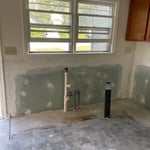
Kitchen remodel
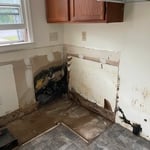
Mold damage
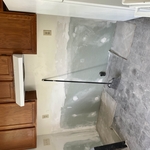
After mold remediation and treatment to prevent mo
Kitchen remodel
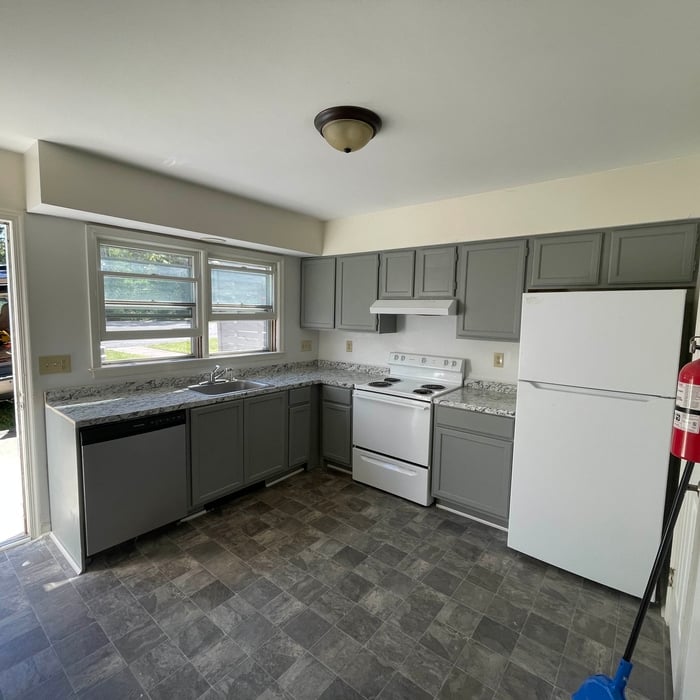
Completed kitchen

+13

10 neighbors recently requested a quote
...
Showing 1-10 of 80
Asphalt Driveways questions, answered by experts

In the United States, roads are usually categorized as one of three types: public roads, other drivable roads, and non-drivable roads. These categories dictate how a road can be used; a non-drivable road might be classified that way because it is heavily damaged and unsafe for cars.

Asphalt is not a type of concrete. While both are a common type of pavement, asphalt is composed of aggregates (like sand and gravel) and bitumen; concrete is a mixture of cement, aggregates, and water. Here are some of the key differences between asphalt and concrete driveways.

DIY is not recommended due to equipment and expertise requirements. Professional services ensure durability and proper grading.

New asphalt typically needs 24 to 72 hours to dry before it can handle light foot traffic and careful driving. Although it may appear solid after a few days, the full curing process, where the asphalt reaches its peak strength, takes much longer—generally from 30 days to a year.

During this extended curing time, the surface remains relatively soft and can be damaged by heavy vehicles, sharp objects, or high temperatures. To protect your investment, it's best to avoid parking heavy machinery on the asphalt until it has fully cured.

The exact time required for drying and curing depends on several factors, including the weather, the specific asphalt mix, and its thickness. For the most accurate advice tailored to your situation, consult with your asphalt contractor.

Yes, it is possible to pave over an existing driveway, but whether it's the right choice depends on several factors. If the underlying structure of your current driveway is still strong, concrete or asphalt resurfacing can be a cost-effective way to prolong its life. However, if your driveway has significant issues like potholes, deep cracks, or other inconsistencies, it is best to remove the old driveway and start from scratch. Key factors to consider include the current driveway's condition, the compatibility of the new material, the added thickness and height, and the necessary surface preparation.

The Verona, NY homeowners’ guide to asphalt driveway services

From average costs to expert advice, get all the answers you need to get your job done.