



Top-rated excavation pros.

Get matched with top excavation pros in Tillson, NY

Enter your zip and get matched with up to 5 pros

Need a pro for your excavation project in Tillson, NY?

Select your specific project to find the pro for you.

TRUSTED BY TILLSON, NY HOMEOWNERS

  • Average homeowner rating star icon4.2
    Average homeowner rating
  • Verified reviews icon22
    Verified excavation services reviews

Find Excavation pros in Tillson

Avatar for Frog Hollow Development
Frog Hollow Development
5.0(
3
)
Building Site - Preparation and ClearingExcavation - Major Grading or Resloping

Serving Tillson, NY and surrounding areas

Approved

In business since 1987

Free estimates

Small jobs welcome

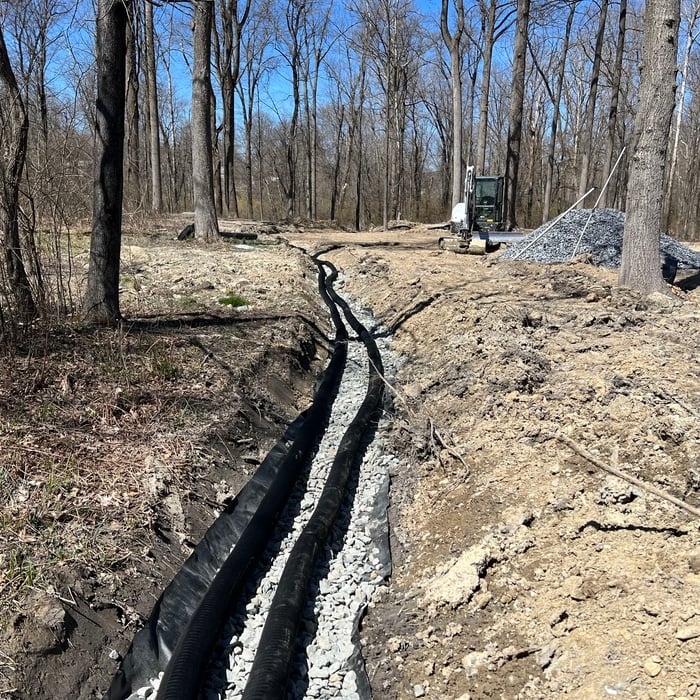
Frog Hollow Development offers all excavation services, from the foundation to the final grade. We provide unmatched customer service and outstanding quality. We serve Dutchess County, New York, and the surrounding area. We are fully insured. We take great pride in our experience and expertise stretching over three decades that we provide to meet the consumer's needs. From digging a foundation to installing a septic system, we are the ideal contractor to address your practical and exterior property improvement needs.\n

3 neighbors recently requested a quote
...
Showing 1-10 of 126
Excavating questions, answered by experts

There are several methods to hollow out a tree stump, and the best one depends on your tools, experience, and priorities. Common methods include using a chisel and hammer, a chainsaw, or burning.

  • Chisel and Hammer: This is often considered the easiest approach for those with limited tools or experience, though it is the most time-consuming.

  • Chainsaw: Using a chainsaw is the fastest method, but it comes with significant safety risks, especially for inexperienced users.

  • Burning: This can be an effective method, but it is not recommended unless you can first drill holes into the stump. Without holes, the stump will be difficult to light and may not burn completely through.

A power drill with at least a ⅜-inch diameter bit can make the job quicker and easier, regardless of the primary method. While you can use a chisel or chainsaw without a drill, it will require more time and effort. Always wear protective goggles and thick gloves, as splinters are an inevitable risk.

Sewer lines can be buried anywhere from 18 inches to 8 feet deep, with a common average depth between 18 and 30 inches. The exact depth depends on local factors like climate and soil type. In colder regions, pipes must be buried deeper (below the frost line) to prevent freezing, sometimes as deep as 8 feet. The digging depth can also impact the cost of sewer line replacement. To find the specific depth for your property, you can check the building plans for your system, which should be on file with your city or local sanitation department since permits are required for installation.

Maintain open communication and address issues as they arise, ensuring contract terms cover potential delays.

The digging depth will depend on the size of the trencher you use. Even smaller units can dig up to 4 feet deep, which is plenty for a DIY job. However, much larger trenchers can reach a depth of 18 feet and are better used by a team of pro contractors, not a single DIYer. As with all home improvement projects, use the right tool for the job and proceed with caution.

While you can save some money by digging your own pool, you may end up paying more in construction equipment rental fees in the long run. You could, however, focus your DIY energies on lowering the cost of leveling your lawn for your pool or filling in surrounding landscaping after construction.

The Tillson, NY homeowners’ guide to excavation services

From average costs to expert advice, get all the answers you need to get your job done.