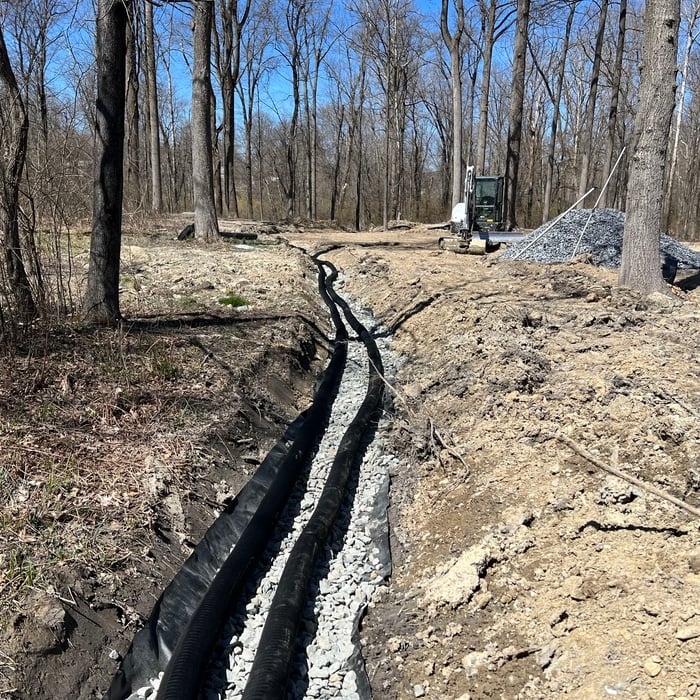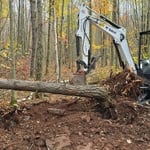





Top-rated excavation pros.

Get matched with top excavation pros in Hurley, NY

Enter your zip and get matched with up to 5 pros

Need a pro for your excavation project in Hurley, NY?

Select your specific project to find the pro for you.

TRUSTED BY HURLEY, NY HOMEOWNERS

  • Average homeowner rating star icon4.1
    Average homeowner rating
  • Verified reviews icon34
    Verified excavation services reviews

Find Excavation pros in Hurley

Avatar for RM Contracting & Excavation
RM Contracting & Excavation
5.0(
5
)
Excavation - Major Grading or Resloping

Serving Hurley, NY and surrounding areas

Approved

In business since 2020

Free estimates

Credit card accepted

"Randy was everything you would want in a contractor. He showed up on time worked hard and he did more than we agreed to! He was knowledgeable eager and efficient. If I need for his services arises again, I will call him right away."
Response time12 hrs
10 neighbors recently requested a quote
Recommended by60%of homeowners
Avatar for Mack Tree Service
Mack Tree Service
4.3(
14
)
Building Site - Preparation and ClearingExcavation - Major Grading or Resloping

Serving Hurley, NY and surrounding areas

Approved

In business since 2010

Free estimates

Credit card accepted

"Great tree removal! I can’t even tell the tree was even there! Hard working staff & better pricing than any previous quote I received. Will be using them again in the future and highly recommend."
Response time2 days
21 neighbors recently requested a quote
Recommended by91%of homeowners

...
Showing 1-10 of 115
Excavating questions, answered by experts

Chipmunks dig their burrows about three feet deep and up to 30 feet long. The entrances can be two inches wide or more. Chipmunks are fiercely protective of their burrows and use them to protect the nuts and seeds they gather for the long winters.

To locate an underground downspout, you should start by identifying where the above ground gutter drains. Look for an entry point, such as a pipe or elbow leading into the ground. Follow the surface path for signs like depressions, landscaping disruptions, or wet areas after rain. You can use a metal detector or plumber’s snake to trace the pipe underground. For deeper pipes, a professional locator tool or camera inspection may be necessary. Visual markers or utility maps can also guide the search.

The best way to protect tree roots is to avoid the roots entirely by excavating outside the root radius of the tree. For nearby projects, it’s a good idea to construct a temporary retaining wall. But that’s not always possible, depending on the project and the root system. In these cases, consider using alternative equipment like an auger to tunnel under the ground.

Remember, tree roots can damage nearby cement foundations as they grow. If a tree is close enough to interfere with large excavations, it may be better to remove the tree than risk future problems.

The best type of soil to build on is a mixture of sand and clay, known as loam soil. Loam soil has the best combination of these soil types to build a foundation on. The clay particles help with water retention, so it won’t erode like sandy soil might, and the sandy particles help with drainage, so you won’t see unsafe soil expansion or have an increased risk of leaks from water sitting against your foundation.

Skunk digging looks like a series of small, cone-shaped holes on a lawn or around the perimeter of a home, porch, deck, or shed. The holes that skunks dig when searching for grubs tend to be no more than four inches in diameter and may be up to four inches deep.

The Hurley, NY homeowners’ guide to excavation services

From average costs to expert advice, get all the answers you need to get your job done.