

Top-rated drywall pros.

Get matched with top drywall pros in Tillson, NY

Enter your zip and get matched with up to 5 pros

Need a pro for your drywall service project in Tillson, NY?

Select your specific project to find the pro for you.

TRUSTED BY TILLSON, NY HOMEOWNERS

  • Average homeowner rating star icon4.3
    Average homeowner rating
  • Verified reviews icon33
    Verified drywall services reviews

Find Drywall pros in Tillson

Avatar for Hammer Down Construction
Hammer Down Construction
4.8(
27
)

Serving Tillson, NY and surrounding areas

Approved

Super Service Award Winner

In business since 2003

Free estimates

Customers say: True professional

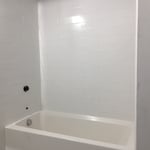
"Chris is amazing. Cut our shower tile perfectly to widen the hole so the plumber could remove a faulty diffuser. He also cut the drywall on the back of the shower to reach the water pipes to stabilize them. He replaced the drywall and will paint the wall to finish the job. He is knowable in all areas of construction and I have him working on other projects for me. He is easy to work with and makes suggestions along the way. Is always prompt in his communication to keep me informed of the scheduling of a job or updates on the status which is rare these days. Would highly recommend him for any job you may have."
Framing
Same time during construction
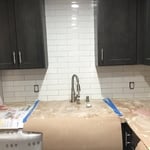
Kitchen
Same time during construction

+15

Response time2 days
Recommended by80%of homeowners
...
Showing 1-10 of 216
Drywall questions, answered by experts

The two most common drywall thicknesses for ceilings are 1/2-inch and 5/8-inch. For most standard residential applications, 1/2-inch drywall is sufficient and widely used. It provides adequate support and is lighter and easier to handle during installation compared to thicker sheets. However, 5/8-inch drywall is often used for specific cases where additional benefits are needed. It is heavier but provides superior sound dampening and fire resistance. You should consider using 5/8-inch drywall for ceilings in commercial buildings, between a garage and a living space, or above a finished basement to meet building codes or for enhanced soundproofing.
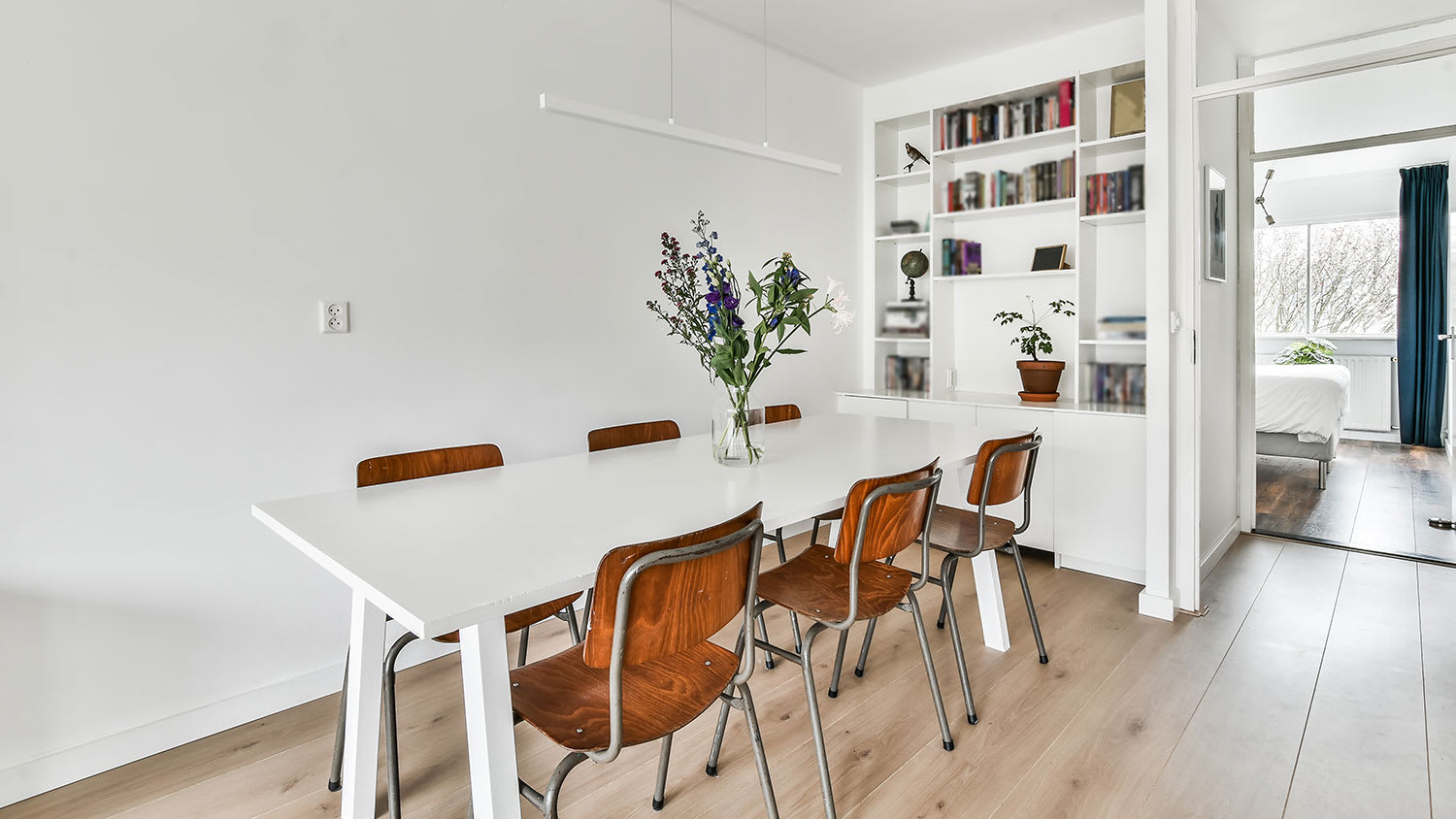
Yes, as drywall mud is going to have some uneven spots and bumps after application. Such imperfections are going to be visible after everything dries and even after you paint the wall, so you want to remove them. Learning how to sand drywall, taking your time, and following drywall sanding tips can help you have the best results.

There are some instances when you can use extra drywall in your garden. Ideally, unused scraps of new drywall are best for amending soil without the concern of additional chemicals or mold. However, drywall with paint, mold, or potential asbestos requires specialized disposal by a professional and should be kept out of your garden.

Plaster provides a durable, soundproof, and moisture-resistant finish compared to drywall.

While a normal moisture level for drywall is between 5% and 12%, replacement is recommended if you get consistent readings above 17%. At this level, the drywall is likely too compromised by extensive moisture damage to be considered safe. You can replace either the entire sheet or just the affected section. If you are unsure after a visual inspection, it is best to have a contractor or water restoration provider use a professional moisture meter to get an accurate reading.

The Tillson, NY homeowners’ guide to drywall services

From average costs to expert advice, get all the answers you need to get your job done.