
Top-rated drywall pros.

Get matched with top drywall pros in Highland, NY

Enter your zip and get matched with up to 5 pros

Need a pro for your drywall service project in Highland, NY?

Select your specific project to find the pro for you.

TRUSTED BY HIGHLAND, NY HOMEOWNERS

  • Average homeowner rating star icon4.6
    Average homeowner rating
  • Verified reviews icon79
    Verified drywall services reviews

Find Drywall pros in Highland

Avatar for HV Drywall, Inc.
HV Drywall, Inc.
4.8(
50
)
Drywall - InstallDrywall - Install - For BusinessDrywall - Repair+1 more

Serving Highland, NY and surrounding areas

Approved

In business since 2013

Free estimates

Emergency services offered

"HV Drywall came the very next day early and was very respectful and the job came out very good. They didn't rush. they took their time to make sure it was done right and best of all, the price was good. I highly recommend."
Sheetrock,drywall and painting
Living room
Living room
Jacuzzi Bathtubs
👷👌

+6

Response time6 hrs
Response rate95%
Recommended by91%of homeowners
Avatar for Veterans Tile
Veterans Tile
4.9(
70
)
Drywall - Repair

Serving Highland, NY and surrounding areas

Approved

In business since 2018

Free estimates

Emergency services offered

"I have used Veterans Tile for several jobs, and highly recommend them! It is hard to find contractors with a good work ethic, and polite, courteous, dependable service. I have found this with Sergio and his crew. They stand by their work. Iâ ve had a very good experience with this company so far!"
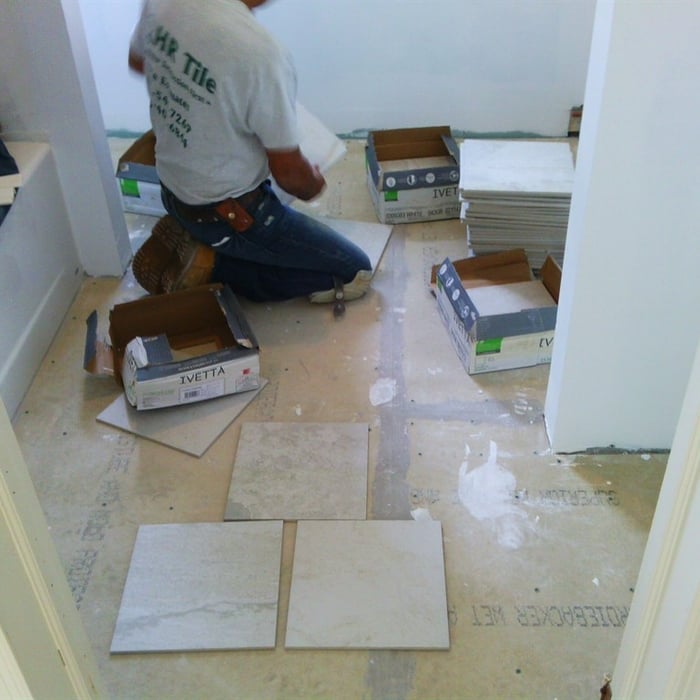
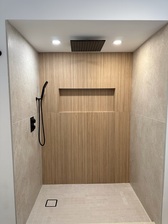
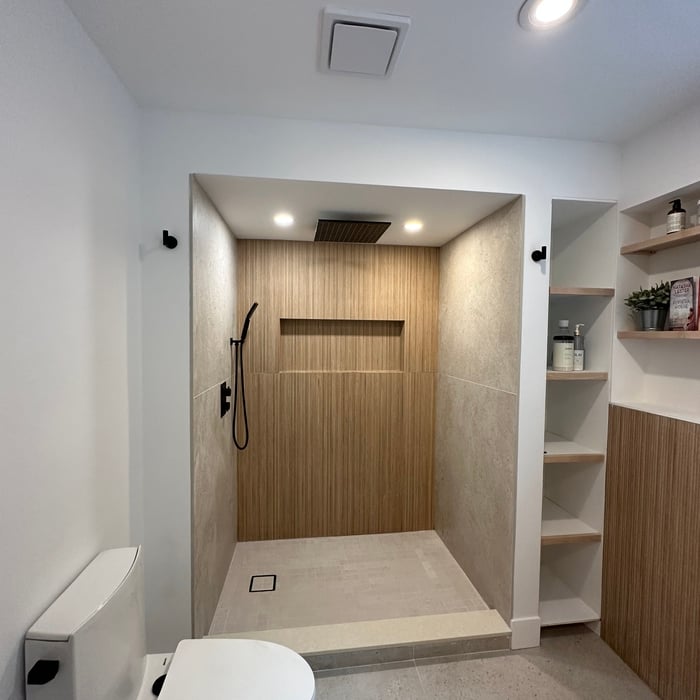
Bathroom remodel
Bathroom remodel
Bathroom remodel
Bathroom remodel
Bathroom remodel

+8

Response time1 day
2 neighbors recently requested a quote
Recommended by92%of homeowners
Avatar for Sullivan Tile and Home Improvement, LLC
Sullivan Tile and Home Improvement, LLC
5.0(
16
)
Drywall - RepairDrywall - Repair - For Business

Serving Highland, NY and surrounding areas

Approved

In business since 2019

Free estimates

Warranties offered

"Phil did a great job on our kitchen backsplash. He was very professional, meticulous and treated our project like it was his own home. I look forward using him for next project."
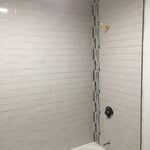
Shower subway tile with accent in the corner
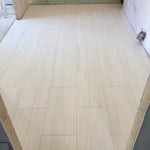
kitchen floor
kitchen backsplash
Tub Surround
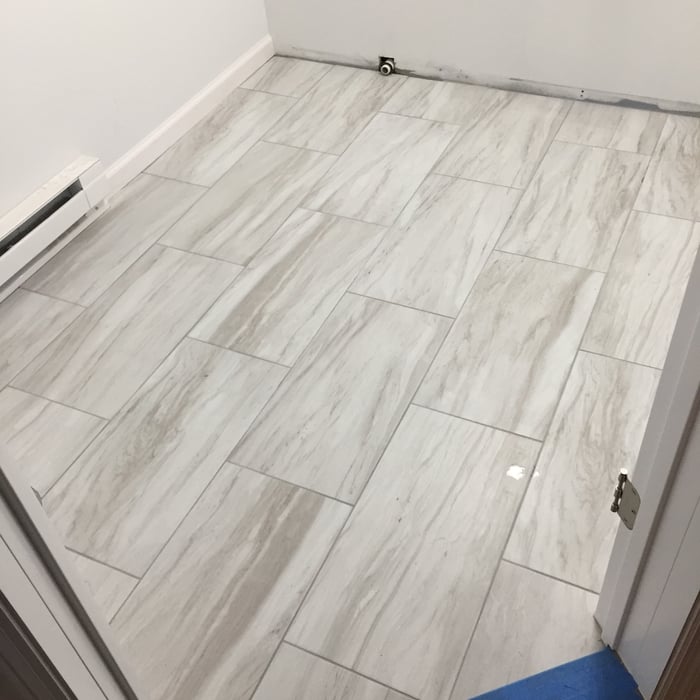
bath floor

+35

Response time2 hrs
7 neighbors recently requested a quote
Recommended by46%of homeowners
...
Showing 1-10 of 270
Drywall questions, answered by experts

When choosing materials for finishing basement walls, consider factors such as moisture resistance, durability, and fire resistance. Opt for materials specifically designed for basement environments, like moisture-resistant drywall or cement board. Insulation with vapor barriers can help regulate temperature and prevent condensation. Consider using mold-resistant paints or coatings. 
Research and consult with experts to select materials that are suitable for your specific basement conditions and intended use. Prioritize quality and compatibility to achieve long-lasting and aesthetically pleasing results.

In framing, studs are placed at 16-inch intervals to coincide with the typical spacing of wall materials such as drywall or plywood. This spacing is called "on-center" and is necessary for maintaining structural stability and efficient use of materials. The 16-inch spacing also helps to distribute the weight evenly across the building's structure. For those looking to cut material costs and improve energy efficiency, 24-inch stud spacing can be employed through a method called "advanced framing". This requires careful planning and adherence to local building codes to ensure structural integrity.

Yes, any parts of drywall that are wet or overly moist will need to be replaced. Drywall is intended to be dry (it’s in the name, after all.), as excess moisture can lead to mold and mildew and eventually corrode your home’s foundational building pieces. Do regular inspections in your home to make sure all your plumbing is intact and in good condition—this will go a long way toward preventing leaks.

Yes, you can use drywall repair techniques for some types of plaster damage. Tiny holes and small cracks in plaster can be patched in similar ways to drywall. You apply the necessary compound to fill the hole, wait for it to dry, then sand it down. For larger damage, like water damage or mold, you need to use plaster-specific techniques and materials.

Although they have similar applications, spackle and joint compound are not the same. Their primary differences lie in their composition, consistency, and ideal use cases.

Spackle is composed of gypsum and binding agents, making it thicker than joint compound. It dries quickly and is easy to sand, which makes it ideal for small wall repair projects like filling nail holes or patching minor damage.

Joint compound, also known as drywall mud, consists of limestone and gypsum. It is primarily used for large-scale projects, such as taping and finishing the seams on newly installed drywall. It tends to shrink more than spackle and can be more difficult to spread.

While both products can be used to fill small depressions and cracks, spackle cannot replace joint compound for taping and mudding new drywall. Conversely, you can often use joint compound for small patching jobs typically done with spackle.

The Highland, NY homeowners’ guide to drywall services

From average costs to expert advice, get all the answers you need to get your job done.