




Top-rated energy efficiency auditors.

Get matched with top energy efficiency auditors in Rush, NY

Enter your zip and get matched with up to 5 pros

Need a pro for your energy efficiency auditing project in Rush, NY?

Select your specific project to find the pro for you.

TRUSTED BY RUSH, NY HOMEOWNERS

  • Average homeowner rating star icon4.4
    Average homeowner rating
  • Verified reviews icon14
    Verified energy efficiency auditing services reviews

Find Energy efficiency auditors in Rush

Avatar for True Energy Solutions, Inc.
True Energy Solutions, Inc.
4.1(
32
)

Serving Rush, NY and surrounding areas

In business since 2008

Free estimates

Credit card accepted

"We have had the energy audit but that is as far as we currently are in the process as the request for this review came before we have the results of the review, cost, or work has been given to us."
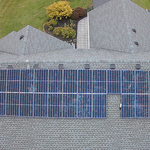
Solar Install 1
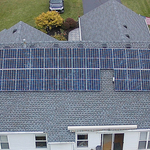
Solar Install 2
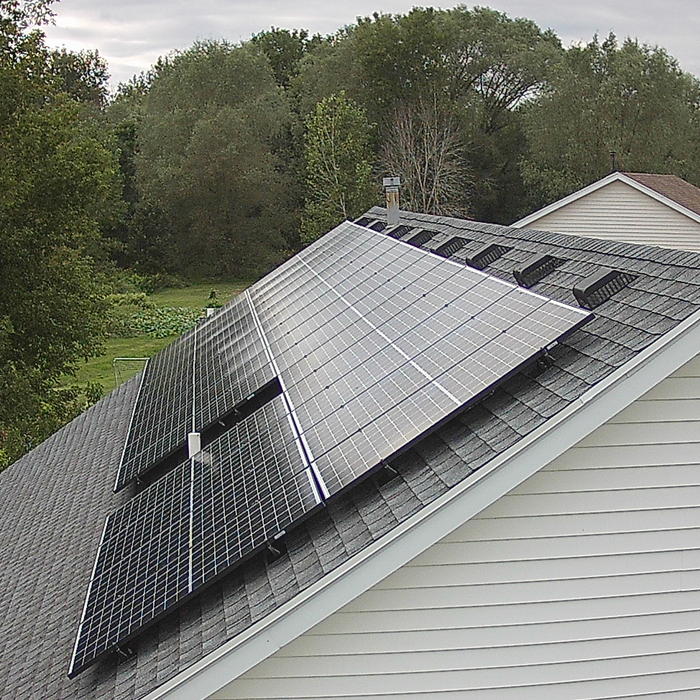
Solar Install 3
Solar Install 4
Solar Install 5

+1

Response time10 mins
Response rate100%
Recommended by100%of homeowners
northshore pressure washing
New to Angi

Serving Rush, NY and surrounding areas

In business since 2011

Free estimates

We are one of the largest energy consulting companies in the country. We offer Free Energy Forcasts to businesses across a wide variety of climate zones. When implemented, our recommendations can consistently save you 17-22% on your energy costs, in the first year. We offer a variety of products, from an all-inclusive fixed product, to a variable option and a hybrid. Call today to see what solutions we can offer you! References are available from very happy clients.

Energy Efficiency Auditing questions, answered by experts

Common warning signs of an overloaded electrical panel or meter box include frequent circuit breaker tripping, flickering or dimming lights, scorch or burn marks, and a burning scent coming from the panel. A circuit breaker trips as a protective measure to prevent overheating and potential fires. If you observe any of these signs, turn off the affected circuit breaker and move some devices to a different circuit. If the problem persists after turning the breaker back on, you should contact a professional electrician to resolve the issue.

Fireplaces can theoretically help you save on heating bills if you lower the temperature throughout the rest of your home and heat only a single room that you occupy using the fireplace. However, in most cases, homeowners won’t save any money on heating bills. Gas and electric fireplace inserts could actually lead to a spike in your respective energy bills if you use them frequently, and if you don’t keep up with chimney maintenance and repairs, your traditional masonry fireplace could actually be a source of heat loss in the winter.

You can increase your home’s load factor by replacing fuse boxes with a circuit breaker, hiring a licensed electrician to upgrade your electrical panel, upgrading wiring, or installing subpanels. An electrical inspection by an expert can help determine the state of your current electrical systems and how they can be improved.

You can save money on heating oil through a combination of improving home efficiency and smart purchasing strategies.

Home Efficiency and Usage:

  • Improve Insulation: Ensure your home, especially the basement and attic, is well-insulated and sealed against drafts to prevent heat leakage.

  • Manage Your Thermostat: Use a properly calibrated and programmable thermostat. Lower the temperature by a few degrees, particularly when you are away from home or asleep.

Purchasing Strategies:

  • Buy in the Off-Season: Order heating oil during the summer months when prices are generally at their lowest. This strategy is most effective if you have a large primary tank or a separate storage tank to accommodate bulk deliveries.

  • Consider a Delivery Contract: Some companies offer contracts with a set price for the term. This can lead to savings if market prices for oil increase, but you might pay more if prices drop.

To determine the right size generator for your house, you should calculate the total wattage of the appliances and devices you want to power during an outage. List all essential items, note their start-up wattages, and add them together.

Here are some typical wattage requirements for common appliances:

  • Refrigerator: 600 watts

  • Large dehumidifier: 700 watts

  • Large window air conditioner: 1,400 watts

  • Water heater: 3,000 to 4,500 watts

  • Electric furnace: 5,000 to 25,000 watts

A 7,500-watt generator might be sufficient for essentials like a refrigerator, freezer, well pump, and lighting circuits. However, for high-demand items like a water heater or furnace, a whole-home generator is a better choice. A portable generator may be enough if you only need to power a few critical items.

While home square footage can offer a rough estimate, it is not always a reliable indicator. For reference, here are some typical generator sizes based on square footage:

  • 1,000 sq ft: 6–9 kW

  • 1,500 sq ft: 7–10 kW

  • 2,000 sq ft: 10–14 kW

  • 2,500 sq ft: 12–16 kW

  • 3,000 sq ft: 16–20 kW+

For the most accurate sizing, consult a professional who can calculate your home's peak and average power consumption and recommend the optimal generator.

The Rush, NY homeowners’ guide to energy efficiency auditing services

From average costs to expert advice, get all the answers you need to get your job done.