



Top-rated energy efficiency auditors.

Get matched with top energy efficiency auditors in Mendon, NY

Enter your zip and get matched with up to 5 pros

Need a pro for your energy efficiency auditing project in Mendon, NY?

Select your specific project to find the pro for you.

TRUSTED BY MENDON, NY HOMEOWNERS

  • Average homeowner rating star icon4.3
    Average homeowner rating
  • Verified reviews icon21
    Verified energy efficiency auditing services reviews

Find Energy efficiency auditors in Mendon

Avatar for True Energy Solutions, Inc.
True Energy Solutions, Inc.
4.1(
32
)
Home Energy Audit

Serving Mendon, NY and surrounding areas

In business since 2008

Free estimates

Credit card accepted

"My wife and I have a failed casement picture window that we are planning to replace. It is in our kitchen and is at least ten years old. Custom cabinetry is built onto the wall below the window. Not only does cold air come in through the failed window, but it is also cold inside the cabinets. We were concerned that this was because the wall below the window needed to be better insulated, so we planned to have that done before the new window was installed. Tony Karpovich of True Energy Solutions, Inc. came to do the free estimate as scheduled, calling first. He used an infrared detector to evaluate the wall, and demonstrated to us that our wall was already well insulated from the floor up to near the base of the window. He said that we should remind our new window vendor (who happens to be certified to do energy audits) to fill the spaces around the window with appropriate insulation, so that cold air not only cannot get in through the failed window itself but also not through conductive heat loss from the metal window frame. Tony said that as long as the window installer fully seals and insulates right around the new window, that we should not have a problem with heat loss. Tony said there was no point in adding more insulation to the wall, in general. My wife and I appreciated the information, the demonstration, and the advice. We now look forward to working with our new window vendor to get the window replaced correctly, this time."
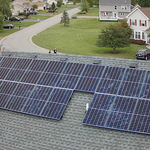
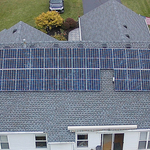
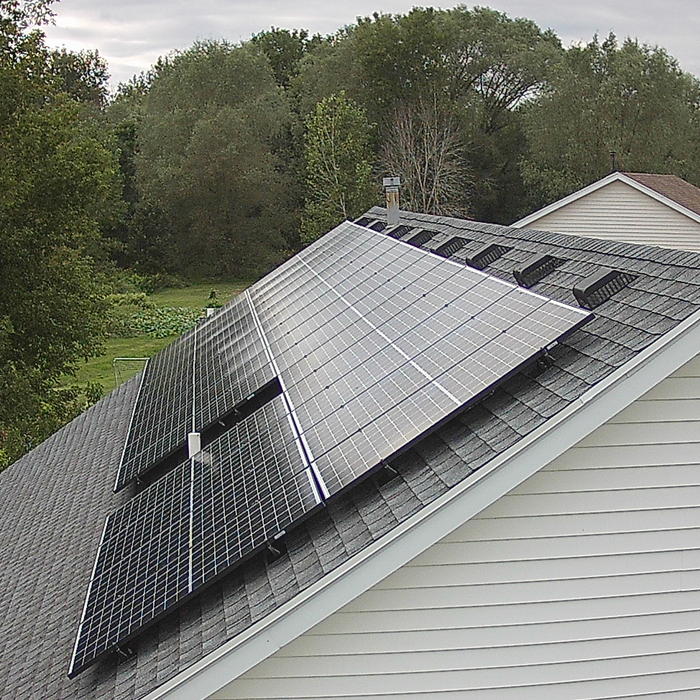
Solar Install 1
Solar Install 2
Solar Install 3
Solar Install 4
Solar Install 5

+1

Response time10 mins
Response rate100%
Recommended by100%of homeowners
Avatar for MW Homes
MW Homes
4.5(
18
)
Home Energy Audit

Serving Mendon, NY and surrounding areas

In business since 2020

"Michelle was great. Very detail oriented, knowledge, and gave great suggestions during the post-purchase inspection. She allowed us to accompany her during the inspection and answered any and all questions we had, very approachable. She spent almost two hours with us and gave a great, 22 page report with photos afterwards. Good communication pre and post inspection. Highly recommend, I have already sent her info to a friend who is looking for an inspection."
Response time9 hrs
Recommended by83%of homeowners
Avatar for Ranmon Enterprises, LLC
Ranmon Enterprises, LLC
5.0(
1
)
Home Energy Audit

Serving Mendon, NY and surrounding areas

In business since 2015

Free estimates

Small jobs welcome

There are more ways than you would expect to stop overpaying on your energy bill. Our business is to help identify those alternatives, and focuses on those that show the quickest and most tangible dollar amount savings over the fastest time frame. If you are pro-environment, we pay close attention to those issues as well. If this sounds like a fit, get in touch with us today. Our vendors are running different cash back incentives through the end of the quarter.

Lower Energy Bill and Reduce Carbon Emissions
Response time10 hrs
Recommended by100%of homeowners
Showing 1-10 of 11
Energy Efficiency Auditing questions, answered by experts

Dehumidifiers typically use 300 to 700 watts of electricity per hour, whereas portable dehumidifiers use about 40 watts per hour. The exact amount of electricity your dehumidifier will generate depends on its capacity and energy efficiency. Generally, higher-capacity dehumidifiers generate more electricity than lower-capacity units, but they also usually have better energy efficiency over the long run.

Dryers are designed to use as little electricity as possible, but power is still required to run the motor that turns the drum and to heat an element that pumps hot air. Eco devices are available and may lead to cost savings in the long term, but you should run the figures before committing to an eco-friendly device as they are often much more expensive to purchase.

Homeowners can often access federal tax credits, such as the Investment Tax Credit (ITC), which covers a percentage of installation costs. Many states and utilities offer additional rebates, grants, or performance-based incentives. These programs can significantly lower your upfront investment. Check the Database of State Incentives for Renewables and Efficiency (DSIRE) or contact your local energy office for current offers.

Attic and whole-house fans improve a home's energy efficiency and comfort. They ventilate hot air from the attic, which reduces peak cooling loads, lowers reliance on air conditioning, and decreases indoor temperatures. This improved air circulation and expedited heat exit helps lower cooling costs, balance moisture levels, and enhance overall natural airflow, contributing to the efficient operation of other home equipment.

To determine the right size generator for your house, you should calculate the total wattage of the appliances and devices you want to power during an outage. List all essential items, note their start-up wattages, and add them together.

Here are some typical wattage requirements for common appliances:

  • Refrigerator: 600 watts

  • Large dehumidifier: 700 watts

  • Large window air conditioner: 1,400 watts

  • Water heater: 3,000 to 4,500 watts

  • Electric furnace: 5,000 to 25,000 watts

A 7,500-watt generator might be sufficient for essentials like a refrigerator, freezer, well pump, and lighting circuits. However, for high-demand items like a water heater or furnace, a whole-home generator is a better choice. A portable generator may be enough if you only need to power a few critical items.

While home square footage can offer a rough estimate, it is not always a reliable indicator. For reference, here are some typical generator sizes based on square footage:

  • 1,000 sq ft: 6–9 kW

  • 1,500 sq ft: 7–10 kW

  • 2,000 sq ft: 10–14 kW

  • 2,500 sq ft: 12–16 kW

  • 3,000 sq ft: 16–20 kW+

For the most accurate sizing, consult a professional who can calculate your home's peak and average power consumption and recommend the optimal generator.

The Mendon, NY homeowners’ guide to energy efficiency auditing services

From average costs to expert advice, get all the answers you need to get your job done.