

How much is the average electric bill in the United States? Learn how much the average electric bill costs in your state and ways to reduce it.
Some sneaky household items may use more energy than you think

Your HVAC system is the biggest energy user in the home, accounting for about 32% of residential electricity with air conditioning using 16.9% and heating using 14.8%.
Water heaters use 13.8% of your household electricity by running three to five hours daily, and you can reduce this by washing clothes on cold or skipping your dishwasher's heat setting.
Switching to LED light bulbs cuts your lighting energy use by 75% compared to incandescent bulbs, and simply turning off lights when you leave a room helps lower your electricity consumption.
Hiring a local electrical professional provides reliable support through complete electrical audits, showing you where your home uses the most electricity and offering practical solutions for reducing energy costs.
It can be easy to go through your day without realizing how much electricity your home consumes daily. We heat and cool our homes for comfortable living, run refrigerators 24/7 to keep our food fresh, and use our devices to make sure we’re up-to-date on the latest news. But what actually uses the most electricity in the home?
According to the 2015 Residential Energy Consumption Survey (RECS) conducted by the Energy Information Association, HVAC systems are responsible for the most electricity consumption in residential homes, followed by water heating, lighting, refrigerators, TV and devices, and dryers.

The HVAC system is actually two systems—the air conditioning and the heating system. When it comes to electricity consumption, these systems use the most energy and are often discussed as one system to reflect their impact on energy costs. Depending on the weather, furnaces and air conditioners can run for a substantial amount of the day, accounting for their position at the top of residential electricity consumption.
The air conditioning system uses the most household electricity at 16.9%.
Space heating comes in second, using 14.8%

Though some categorize water heating as part of overall heating electricity consumption, the water heater is actually part of the plumbing system, and so has its own category. Water heaters use electricity to heat the water used for showers, sinks, dishwashers, and washing machines. Water heaters typically run between three and five hours a day. To reduce the amount of electricity the water heater uses, you can wash your clothes on cold or turn off the heat setting on the dishwasher.
Water heaters are responsible for 13.8% of household electricity usage.

Lighting comes in third on the list of what uses the most electricity in the home. While there are ways to reduce electricity consumption for HVAC systems and water heaters, reducing your energy consumption through lighting is a bit easier. Just making a smarter decision in your choice of light bulbs and the type of lighting in your home can have an impact. LED light bulbs use 75% less energy than incandescent bulbs and can last 25 times longer. And simply turning off lights that you aren’t using can help reduce the total amount of electricity that lighting uses.
Lighting accounts for 10.3% of residential electricity consumption.

In the U.S., 99% of homes have a refrigerator, with 30% having two or more. Many homes also have a separate freezer, especially in the Midwest, where 34% of homes had a second refrigerator and 39% used a separate freezer, according to the 2015 RECS. It’s not a surprise that this kitchen must-have uses a lot of energy: Refrigerators are unique appliances in that, in order to do their job, they must run all day, every day.
Refrigerators use 7% of the total electricity consumed.
Separate freezers use 1.6% of household electricity.

While TVs used to be the main source of electronic entertainment in the home, today’s electronic devices also include cell phones and tablets, among others. The average person spends about 4.8 hours per day using mobile apps and an average of two and a half hours watching TV. Just think of how many devices you likely have charging at your bedside table at night, and it’s no surprise that this category makes the list.
TVs and electronic devices use 6.9% of household electricity.

Clothes dryers, while not the most significant source of household electricity use, still use enough energy to place at number six on the list of what uses the most electricity in the home. You can cut down on your electric usage in this category if you have a place to hang dry clothes either outdoors on a clothesline or indoors on a hanging rack.
Dryers account for 4.5% of total electricity use.
If you’re interested in how much electricity the different appliances in your home are using, you can find an electrician near you who can perform an electrical audit. This process will show you what uses the most electricity in the home so you can begin to make changes where possible. The electrician can often offer solutions and ideas for reducing the amount of electricity your home uses.
I recently had Mosby Electric perform an electrical installation on 8-14-2026, and I couldn’t be more satisfied with the service. From the moment I called, their team demonstrated fast arrival and professionalism. The electricians were highly knowledgeable, completing the installation...
 Mosby Electric
Great company! Price was competitive, technician showed up on time and completed the job (exterior electric Radon fan replacement) quickly. Would hire them again.
 MaGen Property Inspections and Radon Mitigation
I conferred with 2 other contractors before Armstrong Electric. Nick and his crew showed me that the project was not as convoluted as the other contractors made it appear to be. They completed the entire project on time. They were professional, friendly and cleaned up after at completion. I...
 ARMSTRONG ELECTRIC, LLC
The techs on my project, Shawn and Cliff, were great. They were prompt, courteous, and efficient. I am very happy with the results and would definitely contact Mr. Electric for any future electrical projects.
 Mr. Electric of Columbus
Victor was wonderful. He was on time, professional, and explained everything he was doing. He was thorough and figured out that the problem was electrical instead of with my HVAC system. Very knowledgeable. I will be using this company in the future for any HVAC needs. Thanks!
 Hubbs Heating & Air LLC
They were excellent. They did a great job. I was totally satisfied. They put tremendous effort in making sure the work was completed. They were great. They provided immediate response to any inquires I made. I would hire them again. I would recommend them to anyone who needs electrical work....
 JCB & Associates, LLC DBA Property-Tech Industries
Initially, the repairman could not find the problem. Apparently, there was some electrical shortage, but he could not find the definite problem. He left, but called back later to say he had a new idea. He returned and replaced the light switches on the doors. The refrigerator seemed to return...
 Appliance Pro LLC
The initial quoted price from a walk-through seemed high, but we discussed that the quote represented worst case scenario (re-wiring to two floors) and we were excited about the opportunity to have the work done in a timely manner with closing for fire safety reasons, etc. When the job was...
I have to tell you I am all about customer service - I will go out of my way and even pay more for it if you give me great customer service. <br> <br>In a world where this is hard to find, these guys were awesome! I can not sing their praises enough. They were prompt, personable, funny, got...
 Waibel Electric
When I challenged the markup on the generator, Bruder Electric withdrew its bid. They only want naïve customers.
From average costs to expert advice, get all the answers you need to get your job done.
How much is the average electric bill in the United States? Learn how much the average electric bill costs in your state and ways to reduce it.

An electrical system is responsible for circulating power throughout your home. What exactly is an electrical system? Learn more in this article.
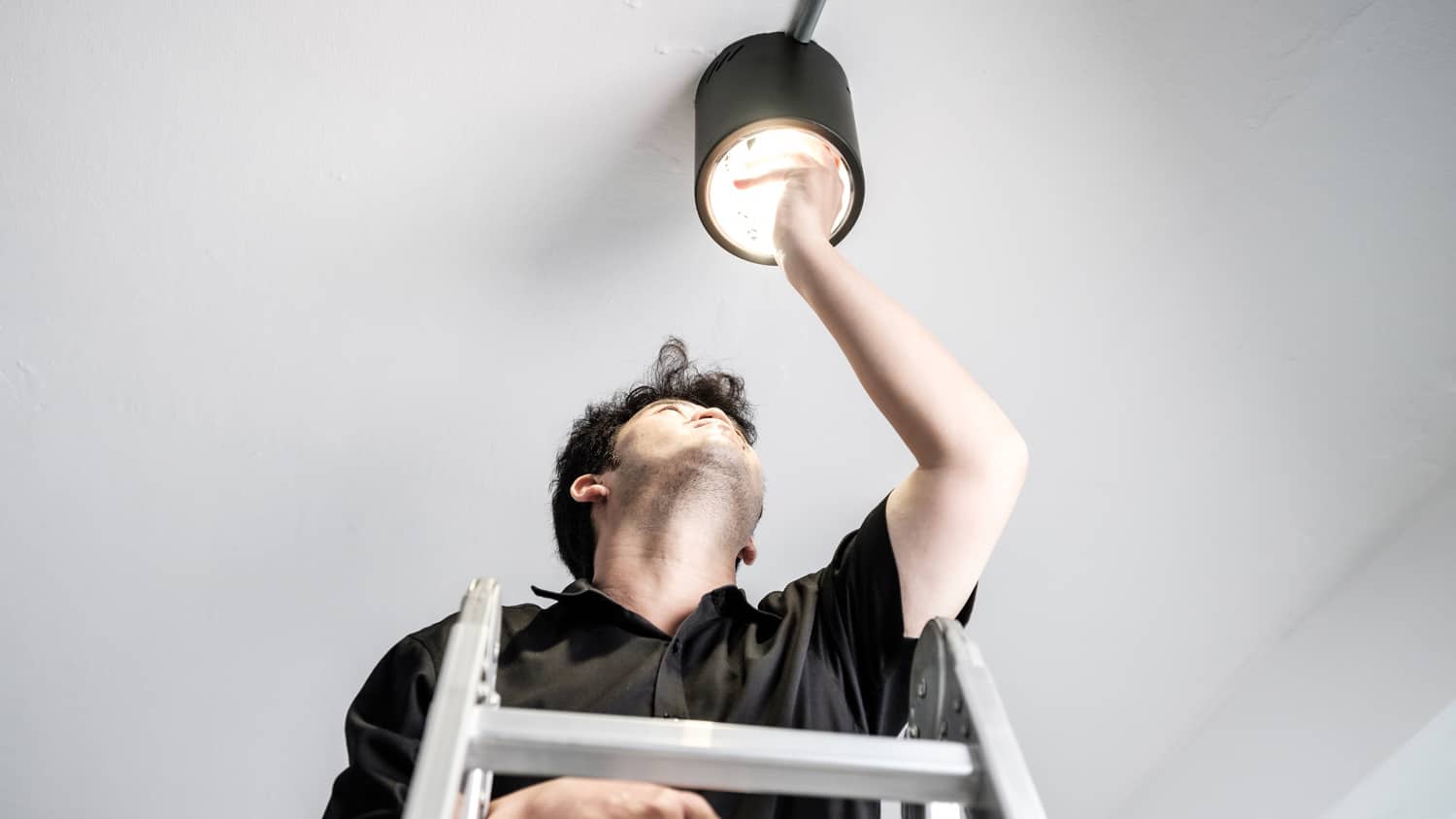
As a responsible homeowner, electrical safety is always at the top of your list. We'll review how to self-inspect your home for shock and fire hazards, when to avoid DIY projects, and when to call a licensed professional for an extra hand.
High electric bills or switches that don’t work properly are some of the most common electrical problems in a home. Learn about other electric issues you may have in your home, what causes them, and how to solve them before they become dangerous.
Electrical wiring is an essential part of new home construction. Learn how to devise a solid plan for all of your new home’s electrical needs.
Nervous about what an electrical inspection might reveal about your new home? Following our home inspection electrical checklist can help ease your mind.