Top-rated energy efficiency auditors.

Best energy efficiency auditors near Lima, NY

Enter your zip and get matched with up to 5 pros

Need a pro for your energy efficiency auditing project in Lima, NY?

Select your specific project to find the pro for you.

Top-Rated Energy efficiency auditors in Lima - Updated Nov 2026

Avatar for True Energy Solutions, Inc.
True Energy Solutions, Inc.
4.1(
32
)
Home Energy Audit

Serving Lima, NY and surrounding areas

In business since 2008

Free estimates

Credit card accepted

"True Energy solutions is a Good Company to use, Professional and a Polite and knowledgeable staff. They had a 3 day job to do, they went out of there way to go above and beyond , they worked with my schedule and did a Good job ! I would use them again in a Heart beat. The staff is very nice and they answered any questions i had."
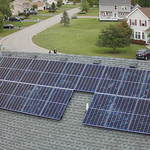
Solar Install 1
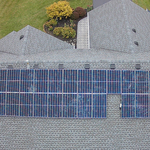
Solar Install 2
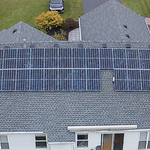
Solar Install 3
Solar Install 4
Solar Install 5

+1

Response time10 mins
Response rate100%
Recommended by100%of homeowners
Avatar for MW Homes
MW Homes
4.5(
18
)
Home Energy Audit

Serving Lima, NY and surrounding areas

In business since 2020

"Overall was very knowledgeable and professional. the job was thorough and everything was explained in a concise but easy to understand manner. would recommend to anyone looking for a home inspection."
Response time9 hrs
Recommended by83%of homeowners
Energy Efficiency Auditing FAQs, answered by experts

To determine the right size generator for your house, you should calculate the total wattage of the appliances and devices you want to power during an outage. List all essential items, note their start-up wattages, and add them together.

Here are some typical wattage requirements for common appliances:

  • Refrigerator: 600 watts

  • Large dehumidifier: 700 watts

  • Large window air conditioner: 1,400 watts

  • Water heater: 3,000 to 4,500 watts

  • Electric furnace: 5,000 to 25,000 watts

A 7,500-watt generator might be sufficient for essentials like a refrigerator, freezer, well pump, and lighting circuits. However, for high-demand items like a water heater or furnace, a whole-home generator is a better choice. A portable generator may be enough if you only need to power a few critical items.

While home square footage can offer a rough estimate, it is not always a reliable indicator. For reference, here are some typical generator sizes based on square footage:

  • 1,000 sq ft: 6–9 kW

  • 1,500 sq ft: 7–10 kW

  • 2,000 sq ft: 10–14 kW

  • 2,500 sq ft: 12–16 kW

  • 3,000 sq ft: 16–20 kW+

For the most accurate sizing, consult a professional who can calculate your home's peak and average power consumption and recommend the optimal generator.

If you want a new boiler that’s going to help lower your fuel bills, you should buy one that has a high energy-efficiency rating. For example, a boiler that is rated “A” uses at least 90% of the energy created by the boiler. And in order to enjoy the best performance, it’s important to have it installed properly by a highly-rated tech.

Yes, pros suggest units with high EER ratings for energy savings.

Yes, mini-split or ductless AC systems add value to a home and do not devalue it. They are an attractive feature for potential buyers, especially in older homes without existing ductwork, as they provide a practical air conditioning solution without the significant expense and hassle of installing traditional ducts. Ductless systems also eliminate issues associated with conventional ductwork, such as noise and the potential for pests. Furthermore, homeowners value energy-efficient solutions, and mini-splits offer high efficiency for both heating and cooling, plus zoned temperature control. This leads to lower energy consumption and reduced electric bills, which is a major selling point.

Window AC units use a fair amount of electricity, but significantly less than central AC systems. Because they are more energy-efficient for cooling individual rooms or small spaces, their usage is comparatively low. On average, a window AC unit consumes between 500 and 1,400 watts, while a central AC system uses over 3,500 watts—meaning a window unit uses about one-third of the energy. This typically translates to a monthly running cost of $15 to $40, although this can vary depending on external factors.

The Lima, NY homeowners’ guide to energy efficiency auditing services

From average costs to expert advice, get all the answers you need to get your job done.