





Top-rated drywall pros.

Get matched with top drywall pros in Fort Drum, NY

Enter your zip and get matched with up to 5 pros

Need a pro for your drywall service project in Fort Drum, NY?

Select your specific project to find the pro for you.

TRUSTED BY FORT DRUM, NY HOMEOWNERS

  • Average homeowner rating star icon3.8
    Average homeowner rating
  • Verified reviews icon12
    Verified drywall services reviews

Find Drywall pros in Fort Drum

Avatar for Odd Job Services
Odd Job Services
4.7(
45
)
Drywall - RepairDrywall - Repair - For Business

Serving Fort Drum, NY and surrounding areas

Approved

In business since 2000

Free estimates

Credit card accepted

"I recently had the pleasure of hiring Brain to fix a leak and repair the resulting damage to my ceiling. Not only did he identify the source of the leak quickly, but he also repaired it efficiently and effectively. The ceiling repair was completed, and the entire job was finished within the agreed timeframe."
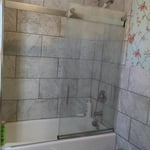
Bath tile
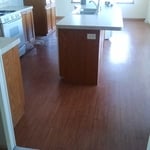
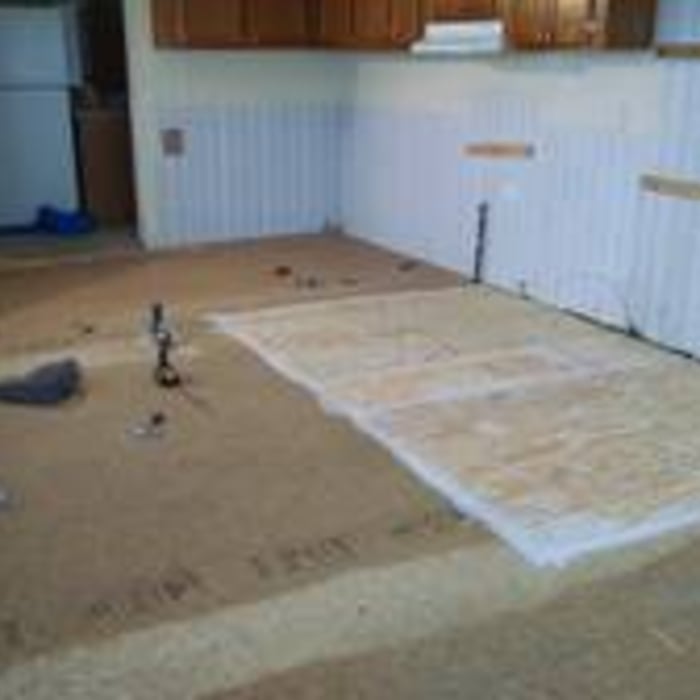
Kitchen floor repair
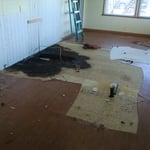
Kitchen floor repair2
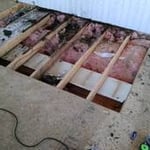
Kitchen floor repair3
Kitchen floor repair4

+3

Response time1 day
Recommended by92%of homeowners
Avatar for Harnas Home Services
Harnas Home Services
5.0(
10
)
Drywall - Repair

Serving Fort Drum, NY and surrounding areas

Approved

Free estimates

Small jobs welcome

"Don was easy to communicate with. He answered texts promptly. He was flexible and accommodated my time constraints. He was pleasant to work with. I would hire him again if I need more electrical work."
Ceiling fan
Deck Rebuild
Patio
Post repair
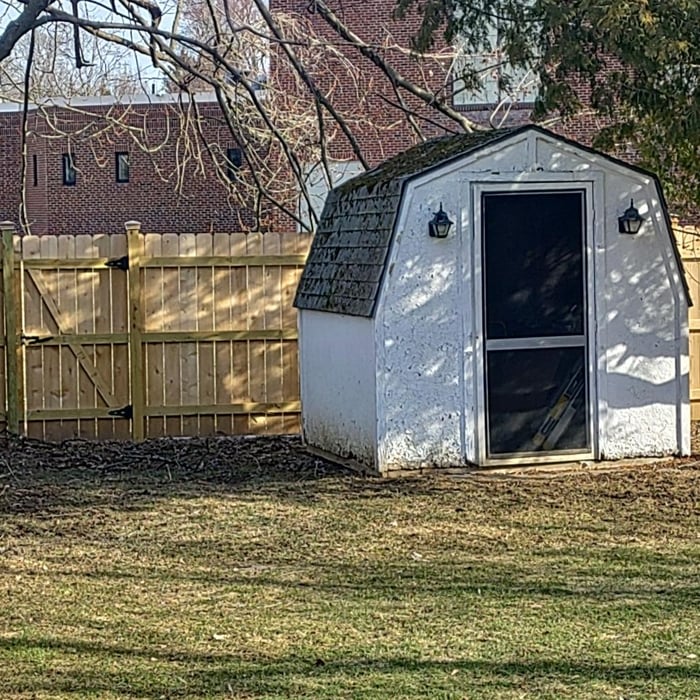
Shed siding

+10

1 neighbors recently requested a quote
Avatar for Ashwood Drywall
Ashwood Drywall
New to Angi
Drywall - RepairDrywall - InstallDrywall - Install - For Business+1 more

Serving Fort Drum, NY and surrounding areas

Approved

In business since 2010

Free estimates

Credit card accepted

Ashwood Drywall is dedicated to providing our customers with the best quality and\ncraftsmanship. We are here to build relationships with our customers and communities and to provide\nour employees with a great place to work. We look forward to working with you!

Project Photos
Project Photos
Project Photos
Project Photos
Project Photos

+4

2 neighbors recently requested a quote
...
Showing 1-10 of 93
Drywall questions, answered by experts

Plaster ceilings can sag for several reasons. In some cases, the plaster and other building materials shift and come apart over time, which is why you’ll commonly find drooping plaster ceilings in older homes. Improper installation, foot traffic, and water damage—often from a leaky roof or a broken pipe—can also cause plaster ceilings to sag.

The best way to make long, straight cuts is to use a utility knife and a T-square to score the sheet, snap along the score, and then finish the cut by cutting through the paper on the opposite side with the utility knife. If you’re making small cuts, curved cuts, or cutouts for electrical boxes or light fixtures, you can use a manual jab saw to keep costs down, but an electric spiral saw or oscillating multi-tool will get the cleanest, fastest cuts possible.

Yes, it is possible to rewire a house without removing the drywall, but this doesn’t work in all homes. You can pull out old wires and insert new ones if you have access to the wiring system via the ceiling or through a crawl space. Some pros can also use a magnetic kit to fish the old wire out of the wall through a hole cavity and install the new wires. Just keep in mind that doing this is less stable than removing drywall, as you won’t be able to staple the wires into the framing.

You should always hang drywall from the top down. Starting at the top makes it easier to create a straight, tight line between the ceiling and the wall. Any gaps that occur will be at the bottom, where they are easier to manage. You can either cut the bottom piece of drywall to fit the remaining space or cover the gap with baseboard trim. Additionally, starting at the top is physically easier, as you won't have to fit the top sheet into a tight space between the lower sheet and the ceiling, or try to balance the upper sheets on the lower ones while securing them.

The two most common drywall thicknesses for ceilings are 1/2-inch and 5/8-inch. For most standard residential applications, 1/2-inch drywall is sufficient and widely used. It provides adequate support and is lighter and easier to handle during installation compared to thicker sheets. However, 5/8-inch drywall is often used for specific cases where additional benefits are needed. It is heavier but provides superior sound dampening and fire resistance. You should consider using 5/8-inch drywall for ceilings in commercial buildings, between a garage and a living space, or above a finished basement to meet building codes or for enhanced soundproofing.

The Fort Drum, NY homeowners’ guide to drywall services

From average costs to expert advice, get all the answers you need to get your job done.