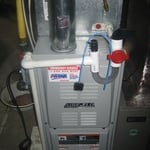
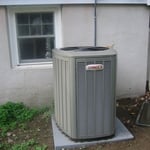
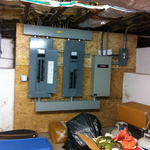
"Aster evaluated the system and assisted us in determining the boiler/ water system best for us. Work was done over 3 days, everything was neat. Workers were very courteous."
"Excellent! Professional and friendly, responded quickly. I needed same day repair because I was leaving town and the job was completed within a few hours of calling for service. I will definitely call again for other projects."
"I required a new water heater installed and Diana builders were able to give me the exact water heater I wanted at the most competitive price. Dave took the time to explain what he thought the best solution was in plain English, gave me a quote a few hours later after researching his exact costs and stuck to his quote."
"Removed my old water heater and placed a tankless water heater without any concerns. Took approx 8 hours to install, they were very clean and professional."
committed to excellence in every aspect of our business. We uphold a standard of integrity bound by fairness, honesty, and personal responsibility. Our distinction is the quality of service we bring to our customers. Accurate knowledge of our trade combined with ability is what makes us true professionals. Above all, we are watchful of our customers' interests, and make their concerns the basis of our business.
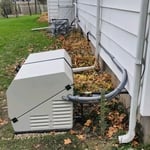
A 10,000-watt generator can run a small to mid-sized central AC unit (typically up to 3 tons or 36,000 BTU) along with a few other appliances. However, larger AC units or additional loads will require a bigger generator. Consult a local generator installer to ensure you add the correct size generator to your home.
In some situations, yes. Never try to put biofuel into any home generator without checking the specifics first. If a generator has the ability to run on diesel, it can also run pure biofuel (the clear kind made from seed oils, for example). But if you are using biofuel made from animal fats or vegetable oils, the generator will need significant modifications before it can handle a sludgier type of biofuel.
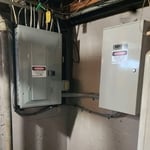
Generally, you’ll want to keep between 60 and 70 feet between the generator and the transfer switch. There are a few reasons for this, including:
The distance reduces the noise coming from the generator into your home.
It increases efficiency because you won’t have a voltage drop from this short of a distance.
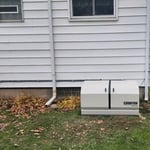
Prevents carbon monoxide poisoning: keep at least 15 feet between your generator and an open window.
Generators run on a variety of fuel types, ranging from natural gas to solar power. Keep in mind that fuel costs varying by type:
Natural gas: $2,000–$21,000 per year
Liquid propane: $2,000–$21,000 per year
Diesel: $3,000–$20,000 per year
Gasoline: $500–$3,000 per year
Solar generator: $2,000–$25,000 per unit
Battery backup: $10,000–$25,000 per unit
In most cases, there are no tax credits available for home generators. However, that’s a general statement that applies to federal tax credits, so you might have access to state or local tax incentives. You can check the Database of State Incentives for Renewables & Efficiency (DSIRE) for more information about your area. If you hire a reliable home generator installer, they should also know if there are any state or local perks you can use to reduce your installation costs, including tax breaks and rebates.
The Lisbon, NY homeowners’ guide to generator installs
From average costs to expert advice, get all the answers you need to get your job done.
Natural gas generators are whole-home standby generators that are connected to your home’s natural gas line. The average cost for a natural gas generator is $12,000.
Generators should give you peace of mind, but you’ll only get that if your installer knows what they’re doing. Learn how to hire a pro and what red flags to look for.
Thinking about a generator installation? Learn about backup power options, costs to expect, and how to hire the right local pro to keep your home running.