

Top-rated generator install pros.

Get matched with top generator install pros in Edwards, NY

Enter your zip and get matched with up to 5 pros

Need a pro for your generator install project in Edwards, NY?

Select your specific project to find the pro for you.

Find Generator install pros in Edwards

Avatar for KWD Electric Inc
KWD Electric Inc
4.5(
46
)

Serving Edwards, NY and surrounding areas

In business since 2006

Free estimates

Emergency services offered

"Electrical work was done well in advance of the roofing job.  Electrician returned at the end of the ice melting cable installation job to make an alteration to the outlets which was a decision made during the roofing and installation job.  Electrician was very neat and accomodating. 
"
Additional Photos
Additional Photos
Additional Photos
Additional Photos
Additional Photos

+15

Recommended by97%of homeowners
Diana Builders, LLC
5.0(
4
)

Serving Edwards, NY and surrounding areas

In business since 2018

Free estimates

Credit card accepted

"I required a new water heater installed and Diana builders were able to give me the exact water heater I wanted at the most competitive price. Dave took the time to explain what he thought the best solution was in plain English, gave me a quote a few hours later after researching his exact costs and stuck to his quote."
Response time1 day
Response rate92%
Recommended by100%of homeowners
Avatar for J&J Plumbing and Home Repair
J&J Plumbing and Home Repair
4.0(
54
)

Serving Edwards, NY and surrounding areas

In business since 2021

Free estimates

Emergency services offered

"Little late coming for appointments but the work was finished on time and was quality work furnace is installed and working well. Went out of there way to get a furnace and get it installed with supply chain issues and crazy busy time of year. I would recommend them."
Kitchen sink
Kitchen sink
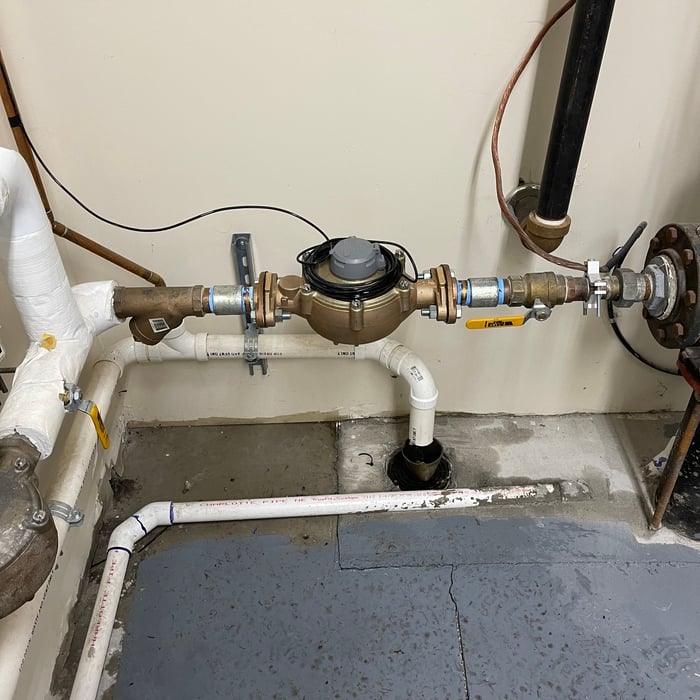
Water meter
Water meter
Water meter

+57

Response time1 day
Recommended by78%of homeowners
Showing 1-10 of 14
Generator Install questions, answered by experts

To reduce AC startup power for a whole-house generator, install a soft start kit or hard start capacitor, which lowers the initial surge by gradually ramping up the compressor. Using a smart load manager can also help by staggering startup loads, preventing a system overload and future costly repairs.

In many cases, yes. There are models called dual-fuel generators and fuel switches, but only between certain types of fuel. For example, with the right setup you can convert a generator from natural gas to propane. Some allow switching between diesel and gasoline. There are even tri-fuel generators available in some cases, which adds a large layer of security if you are worried about fuel availability in times of crisis. Always check your generator capabilities and manual instructions before trying to switch fuels. Some generators can use another fuel but may need a fuel conversion kit to prep them first.

Generators are safe to use as long as they are installed and operated correctly according to the manufacturer's recommendations. The most critical safety tips are to never use a portable or fuel-powered generator inside an enclosed space due to the risk of lethal carbon monoxide poisoning; always operate it outdoors where fumes can dissipate away from your home. Additionally, never attempt to connect a generator to your home’s electrical panel yourself—hire a professional to ensure the setup meets safety standards. Finally, avoid overloading the generator by not connecting more appliances than it is rated for, as this can damage your equipment or cause a fire.

If you’re wondering whether gas generators produce carbon monoxide, know that natural gas generators do not produce carbon monoxide if they are functioning properly, as natural gas burns cleanly. However, if the generator malfunctions and the gas does not burn completely, there is potential for carbon dioxide to be produced. To prevent malfunctions, it's crucial to perform regular maintenance, including running the generator weekly and scheduling professional inspections every 6 to 12 months. Also, be sure to test your carbon monoxide detectors regularly to ensure they function in the rare case of the generator producing carbon monoxide.

To determine the right size generator for your house, you should calculate the total wattage of the appliances and devices you want to power during an outage. List all essential items, note their start-up wattages, and add them together.

Here are some typical wattage requirements for common appliances:

  • Refrigerator: 600 watts

  • Large dehumidifier: 700 watts

  • Large window air conditioner: 1,400 watts

  • Water heater: 3,000 to 4,500 watts

  • Electric furnace: 5,000 to 25,000 watts

A 7,500-watt generator might be sufficient for essentials like a refrigerator, freezer, well pump, and lighting circuits. However, for high-demand items like a water heater or furnace, a whole-home generator is a better choice. A portable generator may be enough if you only need to power a few critical items.

While home square footage can offer a rough estimate, it is not always a reliable indicator. For reference, here are some typical generator sizes based on square footage:

  • 1,000 sq ft: 6–9 kW

  • 1,500 sq ft: 7–10 kW

  • 2,000 sq ft: 10–14 kW

  • 2,500 sq ft: 12–16 kW

  • 3,000 sq ft: 16–20 kW+

For the most accurate sizing, consult a professional who can calculate your home's peak and average power consumption and recommend the optimal generator.

The Edwards, NY homeowners’ guide to generator installs

From average costs to expert advice, get all the answers you need to get your job done.