




Top-rated generator install pros.

Get matched with top generator install pros in Brasher Falls, NY

Enter your zip and get matched with up to 5 pros

Need a pro for your generator install project in Brasher Falls, NY?

Select your specific project to find the pro for you.

TRUSTED BY BRASHER FALLS, NY HOMEOWNERS

  • Average homeowner rating star icon5
    Average homeowner rating
  • Verified reviews icon13
    Verified generator installs reviews

Find Generator install pros in Brasher Falls

Avatar for KWD Electric Inc
KWD Electric Inc
4.5(
46
)
Fixed Generator - InstallFixed Generator - RepairGenerator - Install+4 more

Serving Brasher Falls, NY and surrounding areas

In business since 2006

Free estimates

Emergency services offered

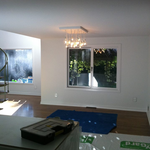
"Pleasure to work with on recessed lighting install. Ken was responsive to questions and time changes via email/phone. We removed the old lighting, did some of the recessed lighting layout, and obtained the materials (he reviewed to make sure it was OK). His installation and electrical work was handled professionally and on schedule. Any adjustments were reviewed with me as a courtesy. We thought the price was fair for the work done. Nice job."
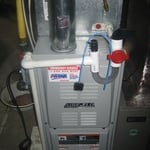
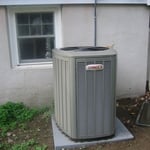
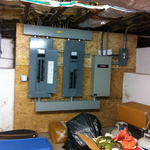
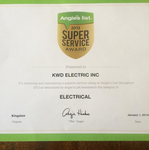
Additional Photos
Additional Photos
Additional Photos
Additional Photos
Additional Photos

+15

Recommended by97%of homeowners
Barto's Electric
4.2(
6
)
Fixed Generator - InstallGenerator - Install - For BusinessPortable Generator - Install

Serving Brasher Falls, NY and surrounding areas

In business since 1994

Free estimates

Credit card accepted

"Very nice guy who did the installation of our ceiling fan quickly and efficiently. The ultimate professional! Affordable and went out of his way to drive to our location. Will be calling on him again with any electrical needs we may have."
Response time4 days
Recommended by80%of homeowners
Generator Install questions, answered by experts

Here’s what you can run with different wattages and types of generators:

Portable generator:

  • 2,000 watts can handle a large appliance like a freezer or refrigerator, plus a few smaller items like phones or computer chargers. 

  • 4,000 watts will keep two large appliances operating and a few smaller devices.

  • 8,000 watts should power most essential appliances and other devices, including a sump pump, well pump, or your dishwasher.

Partial to whole-house generator:

  • 20,000 watts and above will make it seem like your home’s power is still on.

While natural gas generators are costly, they’re a great option for standby power due to the reliability of natural gas as a fuel source. Unlike other fuels, natural gas is delivered through underground pipes, making outages extremely rare and less likely to be affected by the elements. As long as the area isn’t prone to earthquakes, they offer an unlimited supply of natural gas that doesn’t degrade over time or require storage in tanks.

To determine the right size generator for your house, you should calculate the total wattage of the appliances and devices you want to power during an outage. List all essential items, note their start-up wattages, and add them together.

Here are some typical wattage requirements for common appliances:

  • Refrigerator: 600 watts

  • Large dehumidifier: 700 watts

  • Large window air conditioner: 1,400 watts

  • Water heater: 3,000 to 4,500 watts

  • Electric furnace: 5,000 to 25,000 watts

A 7,500-watt generator might be sufficient for essentials like a refrigerator, freezer, well pump, and lighting circuits. However, for high-demand items like a water heater or furnace, a whole-home generator is a better choice. A portable generator may be enough if you only need to power a few critical items.

While home square footage can offer a rough estimate, it is not always a reliable indicator. For reference, here are some typical generator sizes based on square footage:

  • 1,000 sq ft: 6–9 kW

  • 1,500 sq ft: 7–10 kW

  • 2,000 sq ft: 10–14 kW

  • 2,500 sq ft: 12–16 kW

  • 3,000 sq ft: 16–20 kW+

For the most accurate sizing, consult a professional who can calculate your home's peak and average power consumption and recommend the optimal generator.

Yes. You can connect your home back-up battery to a generator with its designated charger. Be sure that the output of the generator matches the input requirements for the battery for best results.

Whole-house generators can run continuously for extended periods, even for weeks at a time (around 400 to 500 hours), as long as they have a sufficient fuel supply. However, this type of extensive use will increase wear and tear and can shorten the generator's overall lifespan. During long periods of operation, it's important to check and refill the engine oil as needed, potentially as frequently as daily depending on the model. If your generator uses a fuel tank, ensure it is kept full to prevent unexpected shutdowns.

The Brasher Falls, NY homeowners’ guide to generator installs

From average costs to expert advice, get all the answers you need to get your job done.