Top-rated landscapers.

Get matched with top landscapers in Lisbon, NY

Enter your zip and get matched with up to 5 pros

Need a pro for your landscaping project in Lisbon, NY?

Select your specific project to find the pro for you.

Find Landscapers in Lisbon

GCA Excavating & Land Clearing
5.0(
9
)
Landscape - Minor Grading or ReslopingLandscape - Minor Grading or Resloping - For Business

Serving Lisbon, NY and surrounding areas

Approved

In business since 2024

Free estimates

Offers commercial services

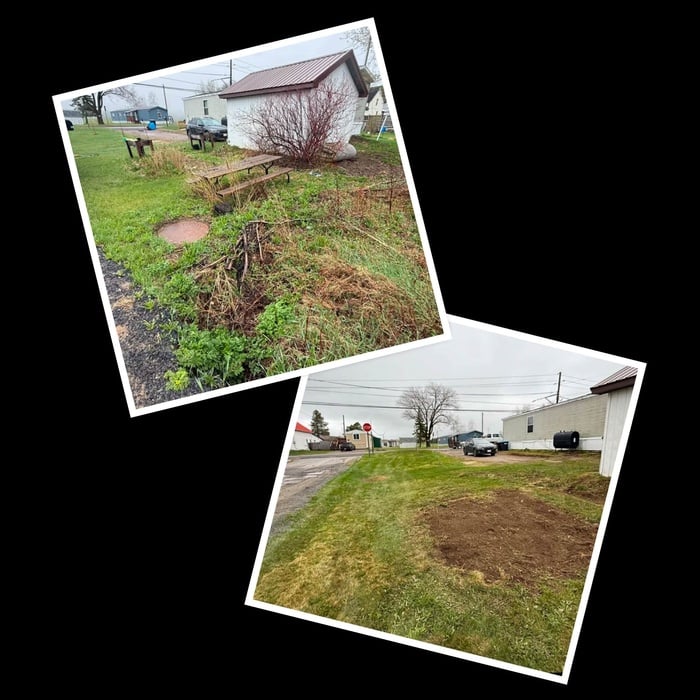
"I hored them to clear newly bought land so it could be mowed going forward. They came and did above and beyond. Very pleased withtheir work, professionalism, courtesy, and ability to complete the work on-time and for the budgeted amount."
Response time30 mins
5 neighbors recently requested a quote
Recommended by100%of homeowners

Avatar for N&Z General Contracting/Detailing
N&Z General Contracting/Detailing
4.3(
12
)
Architect - LandscapeDesigner - LandscapeDrywell - Construct or Rebuild+8 more

Serving Lisbon, NY and surrounding areas

In business since 2024

Emergency services offered

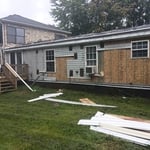
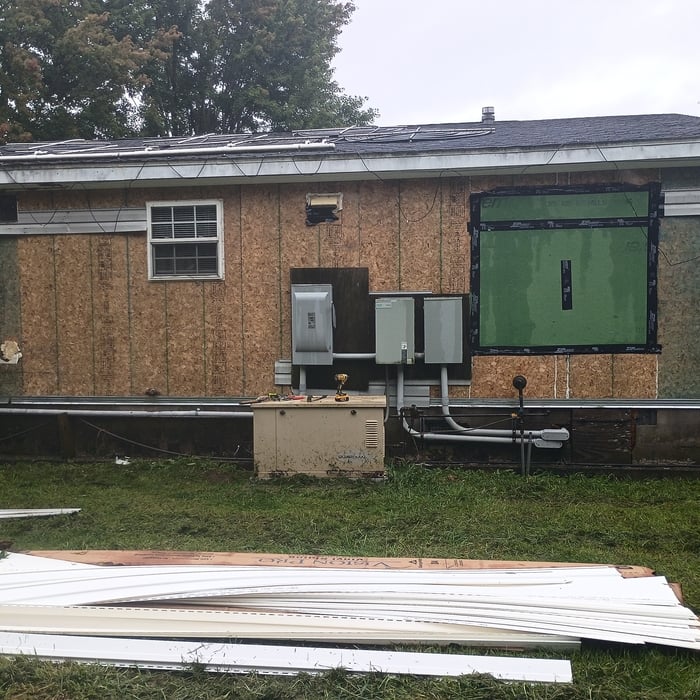
"Amazing job. We are so happwith our new porch. It's huge!! This is a family owned company which we loved. They were mindful of our family which is huge. Our new addition required a whole new build roofing walls flooring . And we had them do plumbing to add our hottub on our back porch. Very very thankful for N&Z. We will be hiring them back!!! Thank yall so much"
Plumbing Project
Roofing Project
Roofing Project
Joes camp
Plumbing Project

+74

Recommended by81%of homeowners
...
Showing 1-10 of 79
Landscaping questions, answered by experts

When planting, it's best to leave several feet between a house and a juniper bush. Many juniper varieties will become quite bushy and require space to grow. Juniper branches that come into contact with siding can damage the home's exterior over time. Also, some juniper bushes have aggressive roots that can put pressure on a home's foundation or basement walls. 

Many people have used old tires in gardens as raised beds, planters, tree rings, and DIY decor. However, these uses are not recommended due to the toxicity of many of the chemicals used to manufacture tires. These chemicals can leach into the soil and water as the tire breaks down, creating environmental pollution and health hazards for gardeners and their families.

The average cost for landscaping is around $3,500, but prices can range from as low as $200 for simple DIY projects to $14,000 or more for extensive work. Several factors influence the final price, including your geographic location, yard size, project scope, chosen materials, site preparation, and the type of landscaping involved. Professional landscaper labor costs typically range from $50 to $100 per hour.

For a smaller budget, you can focus on softscaping projects like adding mulch, flowers, and shrubs, which might only cost a few hundred dollars if you do the work yourself. A budget of around $5,000 could cover projects like a simple patio, new plants and tree trimming, or a water feature. More extensive hardscaping projects, such as pergolas, patios, and walkways, can push the budget to $14,000 or more. For example, a flower bed installation averages between $800 and $3,000, while landscape lighting installation can cost from $2,000 to $6,000.

In most cases, buying plants from a local greenhouse or nursery is well worth the investment, even though they tend to be a bit more expensive than those at a home improvement store. Employees at nurseries are usually well-versed in gardening and understand how the climate in your area affects different plants. They can help you make selections based on your skill level and time commitment to your landscaping, and they can provide detailed care instructions and advice to help keep your plants alive and diagnose and treat issues like pest infestation and illness.

The best size rock for your landscaping depends on the design, as different boulders serve different purposes. If you want to group boulders to create a natural-looking cluster, you’ll need a range of sizes. Otherwise, here are some suggestions:

  • Small boulders (smaller than 12 inches across): Best for landscape edging and fire pits 

  • Medium boulders (12–24 inches): Best for retaining walls and water features

  • Large boulders (more than 24 inches): Best as standalone landscaping features, steps, or walkways.

Of course, you can mix and match sizes to create a unique display.

The Lisbon, NY homeowners’ guide to landscaping services

From average costs to expert advice, get all the answers you need to get your job done.