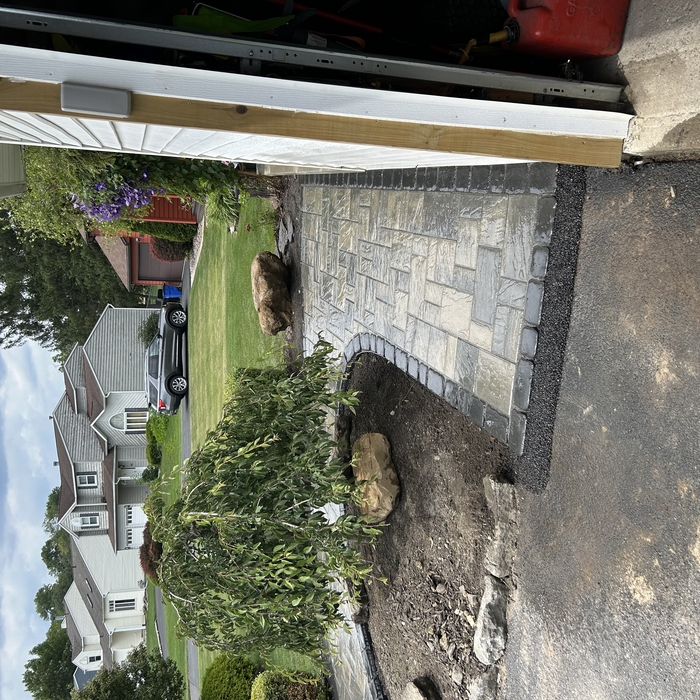




Top-rated paving pros.

Best paving pros near Hannibal, NY

Enter your zip and get matched with up to 5 pros

Need a pro for your paving service project in Hannibal, NY?

Select your specific project to find the pro for you.

Top-Rated Paving pros in Hannibal - Updated Nov 2026

Avatar for NXTGEN Lawn & Landscape
NXTGEN Lawn & Landscape
5.0(
4
)
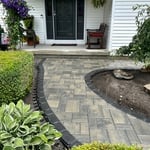
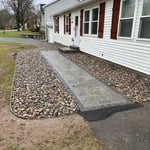
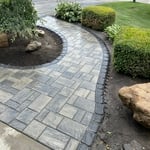
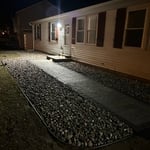
Interlocking Pavers for Patios, Walks & Steps - Install

Serving Hannibal, NY and surrounding areas

Approved

In business since 2025

Free estimates

Credit card accepted

"This was a professional team to work with. They communicated the work plan and got the job completed as quickly as possible while maintaining quality and performance. I’m very happy with the results of our backyard project and will hire this team for future work. Nancy Krupka"
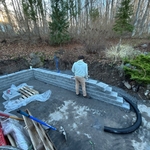
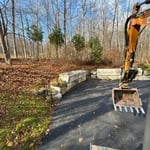
Retaining wall
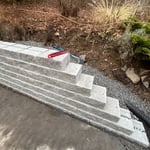
Retaining wall
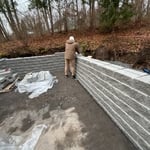
Retaining wall
Retaining wall
16 neighbors recently requested a quote
Avatar for None
None
5.0(
8
)
Interlocking Pavers for Patios, Walks & Steps - Install

Serving Hannibal, NY and surrounding areas

In business since 2004

Free estimates

Credit card accepted

"Corey was extremely easy and professional to work with! He was very patient with us in designing the patio and firepit while keeping us within our budget. It took about 1 week for the project to be completed. We will have them come out next year to complete phase 2 of our project. My husband and I would highly recommend Nucrete. Very happy with the work they did!"
Jamesville Stamped Patio
Warners Outdoor Living
Recommended by100%of homeowners

...
Showing 1-10 of 54
Paving Services FAQs, answered by experts

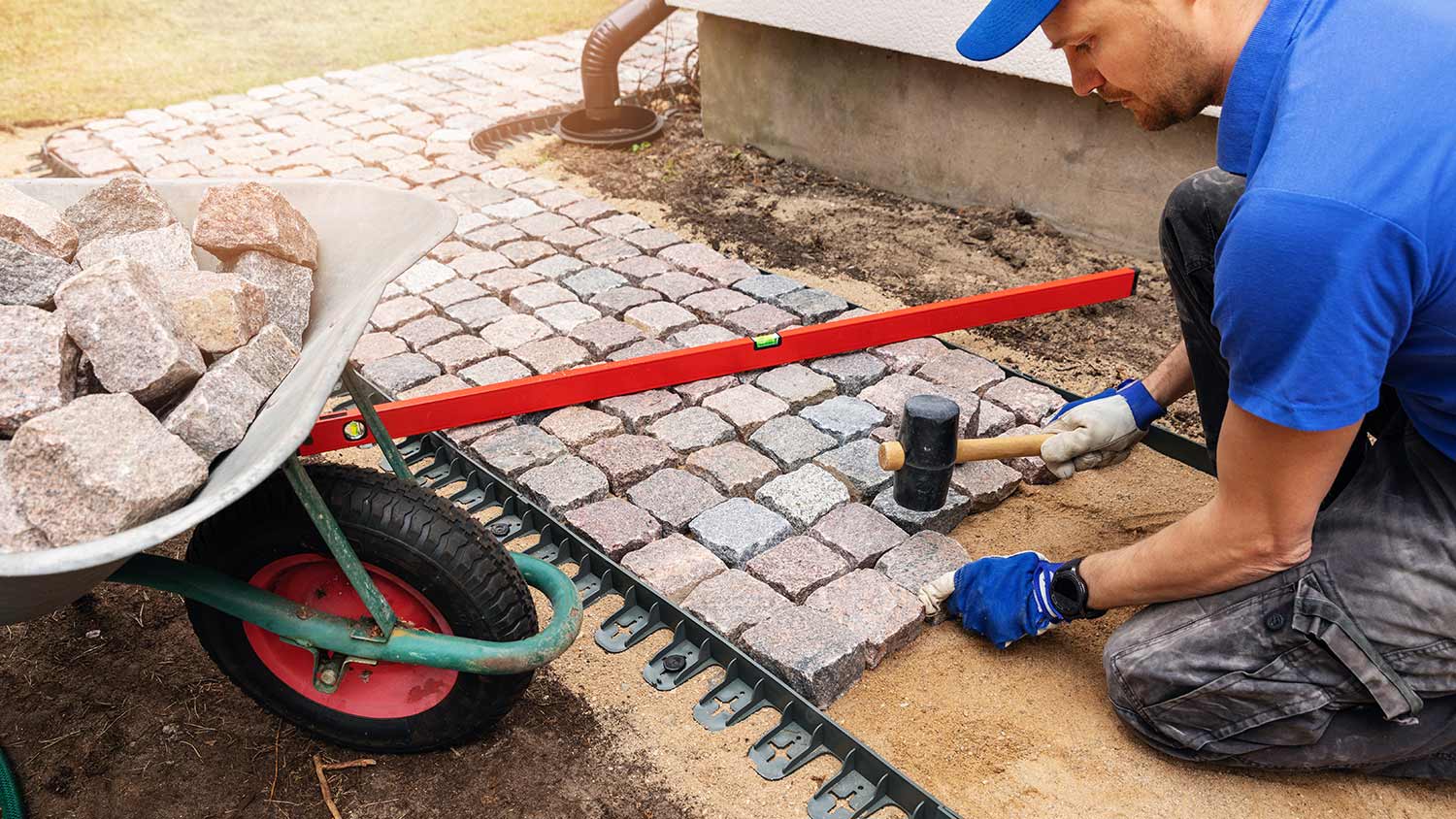
The layer of polymeric sand under the pavers plus the polymeric sand that gets swept into the joints between your pavers holds them in place in a few ways. For one, the gritty texture of the sand helps lock the pavers together. Polymeric sand also contains bonding agents that get activated by water. Polymeric sand will take between 24 and 48 hours to fully cure, so do not walk on your paver walkway before this time.

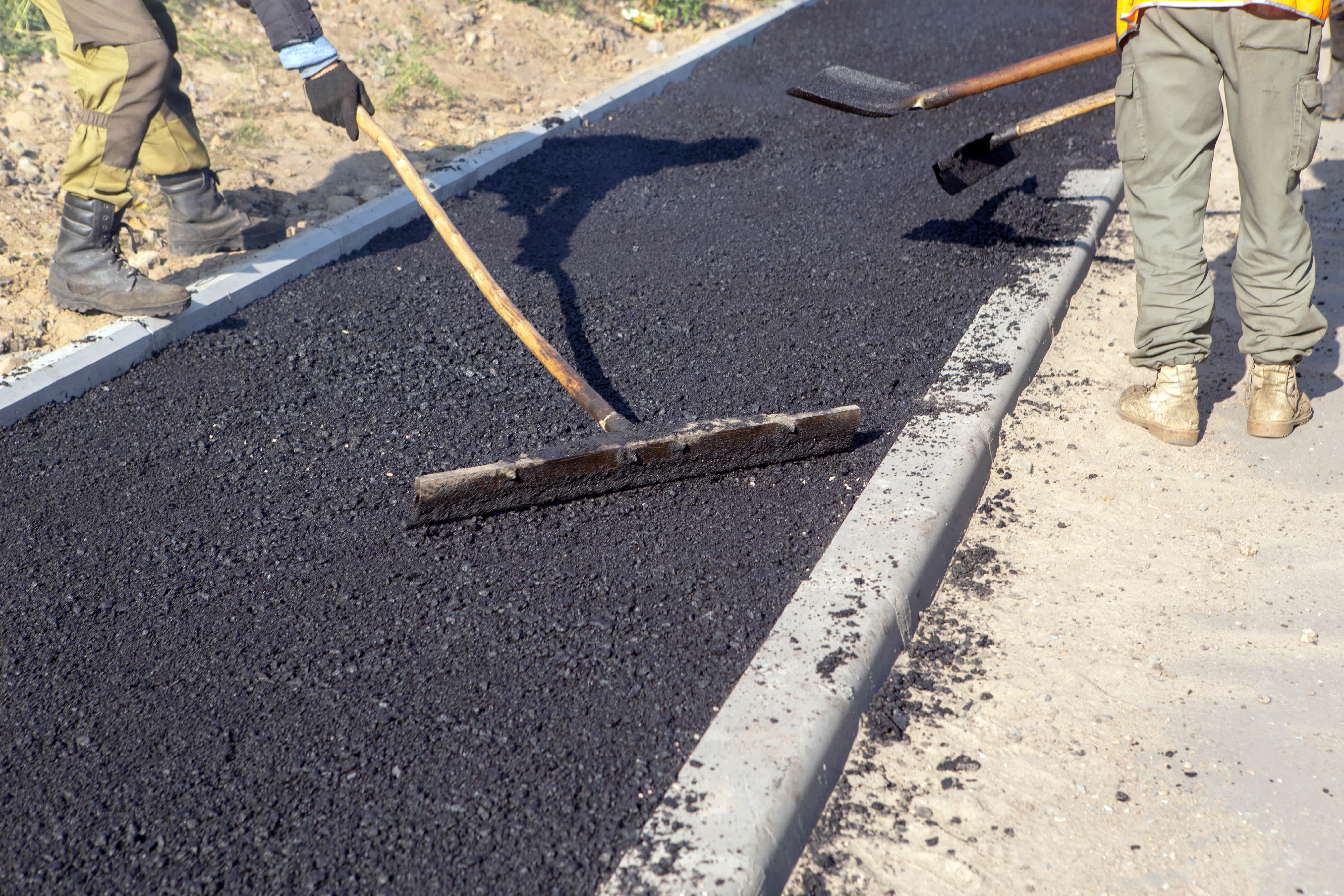
Maintaining a driveway depends on its material. For concrete and asphalt, it's best to clean the surface thoroughly twice a year with a stiff broom and a pressure washer to remove accumulated dirt and debris. Sealing the driveway is crucial to protect it from water damage and freeze-thaw cycles. Before applying a sealant, pressure wash the surface to remove any loose sealant, dirt, or stains, as sealing over them will trap them. Any cracks or expansion joints should be filled with a flexible polyurethane caulk or asphalt sealer. In colder climates, use sand instead of salt for de-icing. Sand helps melt snow and ice without accelerating the freeze-thaw process, which can cause cracks.

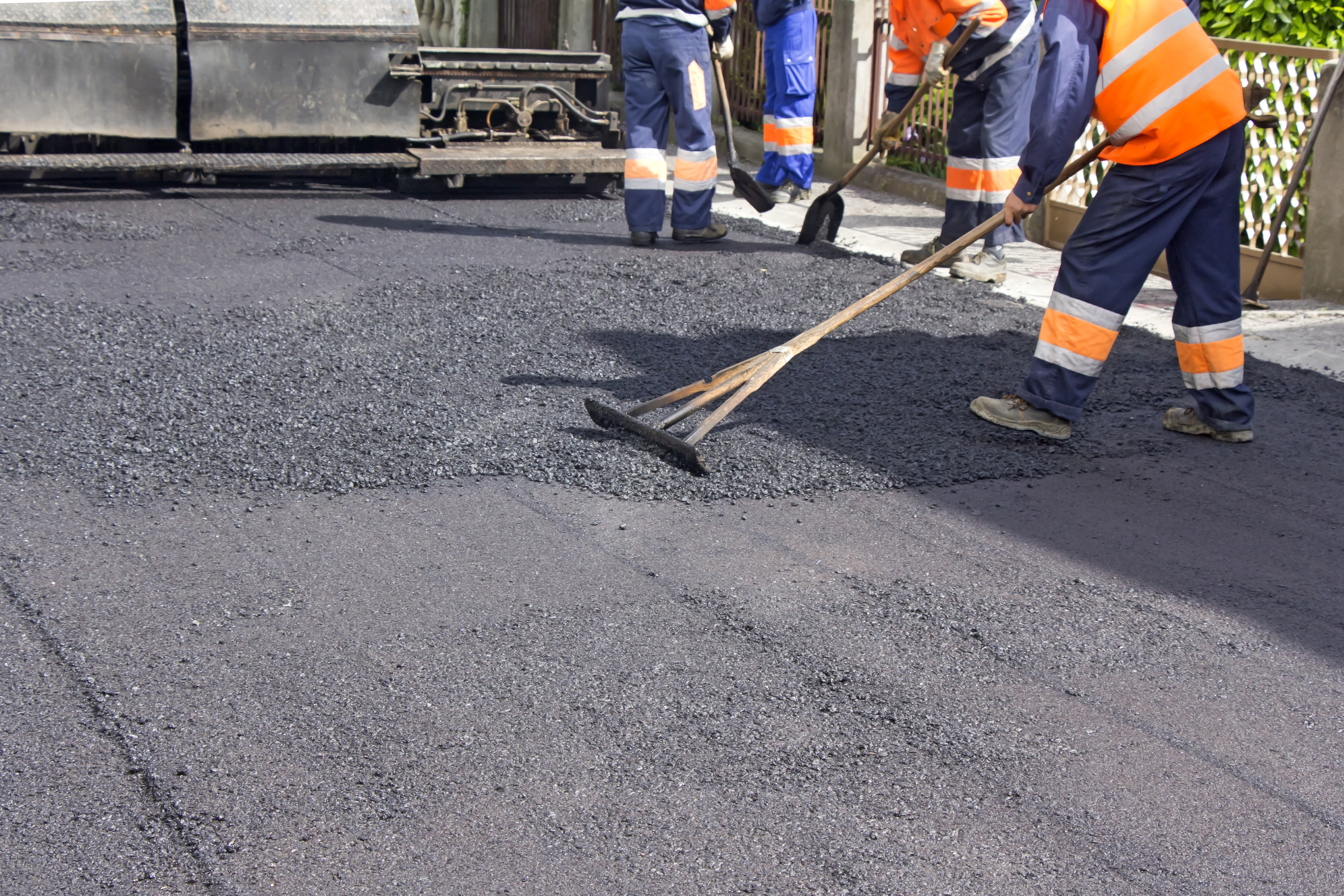
While blacktop is a type of asphalt, the terms should not be used interchangeably, as not all asphalt qualifies as blacktop. The primary differences are in their composition, production process, and ideal applications. Blacktop contains more stone than other types of asphalt and is heated to a higher temperature during production—300°F or more—while hot-mix asphalt is heated to between 275°F and 300°F. The ratio of bitumen (a tar-like crude oil) is a key differentiator, though sources vary: some state blacktop has less bitumen, making it less durable, while others claim it has a higher ratio. Due to these differences, asphalt is generally more durable and better for high-traffic areas like highways and streets, while blacktop is more suitable for playgrounds and residential driveways. For a driveway project, it is best to consult a professional to determine the most appropriate material.

If you wish to break up a cracked or broken paver for removal, you can use a hammer or mallet and a chisel to fragment the paver. As you’re working, be careful not to disturb surrounding pavers; the key is to work slowly and steadily and remove the broken pieces gently. You should also wear a mask and goggles to ensure that no dust gets into your eyes, nose, or mouth as you work.

The stones do not work well on uneven ground. If the stones are not buried into the ground and made level upon installation, they almost certainly will shift or crack on uneven ground. Additionally, rainwater or water from sprinklers can run under the edge of an uneven paver, causing erosion. In a freeze and thaw cycle, trapped water under the paver can cause the problem to worsen by shifting the stepping stones around. Use a bubble level to make sure the ground under each paver is as even as possible, even if the nearby ground is uneven.

The Hannibal, NY homeowners’ guide to paving services

From average costs to expert advice, get all the answers you need to get your job done.