



Top-rated paving pros.

Best paving pros near Sodus Point, NY

Enter your zip and get matched with up to 5 pros

Need a pro for your paving service project in Sodus Point, NY?

Select your specific project to find the pro for you.

TRUSTED BY SODUS POINT, NY HOMEOWNERS

  • Average homeowner rating star icon4.3
    Average homeowner rating
  • Verified reviews icon25
    Verified paving services reviews

Top-Rated Paving pros in Sodus Point - Updated Nov 2026

Avatar for NXTGEN Lawn & Landscape
NXTGEN Lawn & Landscape
5.0(
4
)
Interlocking Pavers for Patios, Walks & Steps - Install

Serving Sodus Point, NY and surrounding areas

Approved

In business since 2025

Free estimates

Credit card accepted

"NXTGEN Lawn and Landscape in Auburn, NY replied almost immediately for my task request of Lawn repair. The crew was extremely polite, thorough and professional. The final product was a repaired lawn with final seeding, and driveway stone repair which was damaged as a result of connecting to town water line. The NXTGEN crew did an amazing job and traveled a distance to take on our task. Thank you guys. See you next time we need yard work done. 5 star rating !!"
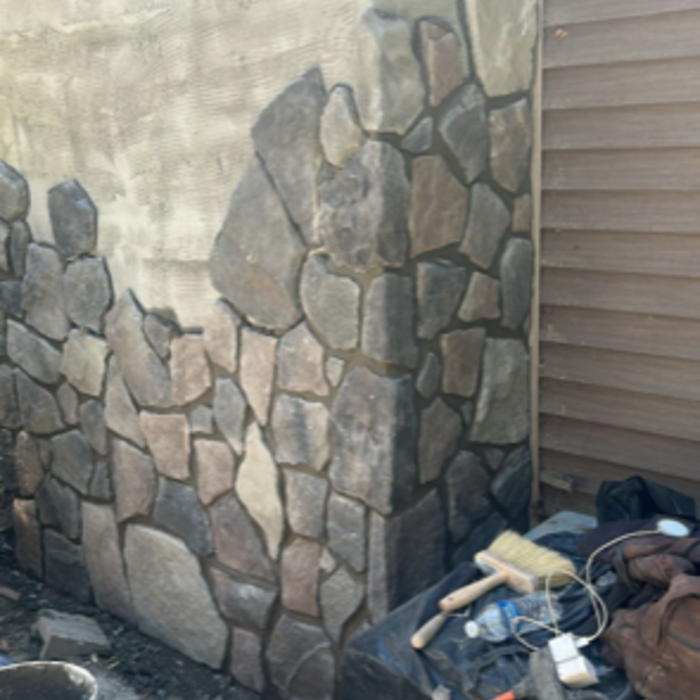
Retaining wall
Retaining wall
Retaining wall
Retaining wall
16 neighbors recently requested a quote
Millers Remodeling
4.1(
17
)
Asphalt Paving - InstallAsphalt Paving - Repair or PatchGravel or Loose Fill Paving - Install, Spread or Scrape+1 more

Serving Sodus Point, NY and surrounding areas

In business since 1994

Free estimates

Emergency services offered

"I am happy to recommend Miller Remodeling for an excellent fence construction project done for us. They were dependable, courteous, thorough and hardworking. They gave us prompt and competent service even in trying weather conditions . We would definitely utilize their services again."
Before
Basement completed
Fence completed
after
Recommended by100%of homeowners
Showing 1-10 of 38
Paving Services FAQs, answered by experts

While blacktop is a type of asphalt, the terms should not be used interchangeably, as not all asphalt qualifies as blacktop. The primary differences are in their composition, production process, and ideal applications. Blacktop contains more stone than other types of asphalt and is heated to a higher temperature during production—300°F or more—while hot-mix asphalt is heated to between 275°F and 300°F. The ratio of bitumen (a tar-like crude oil) is a key differentiator, though sources vary: some state blacktop has less bitumen, making it less durable, while others claim it has a higher ratio. Due to these differences, asphalt is generally more durable and better for high-traffic areas like highways and streets, while blacktop is more suitable for playgrounds and residential driveways. For a driveway project, it is best to consult a professional to determine the most appropriate material.

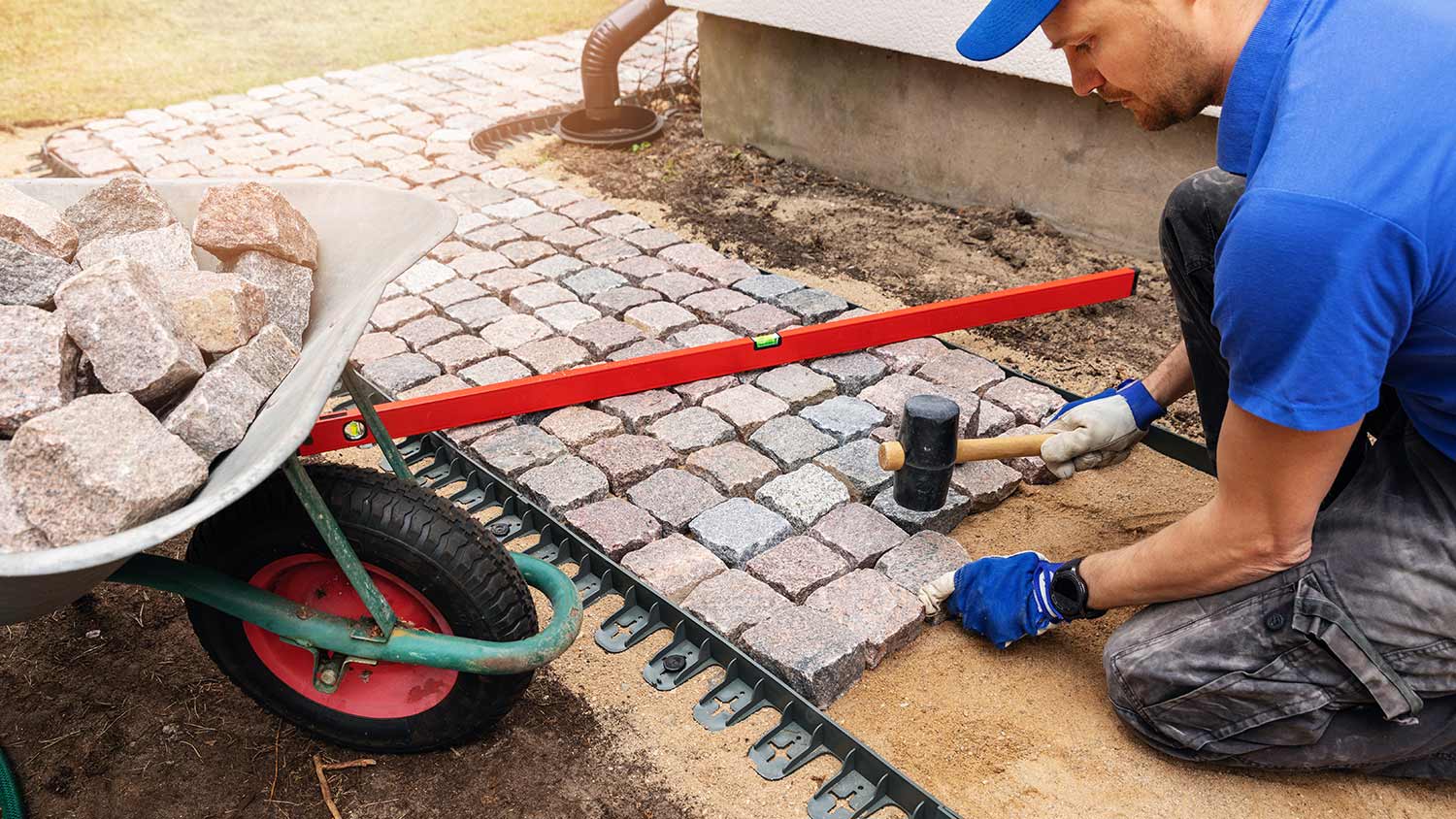
The stones do not work well on uneven ground. If the stones are not buried into the ground and made level upon installation, they almost certainly will shift or crack on uneven ground. Additionally, rainwater or water from sprinklers can run under the edge of an uneven paver, causing erosion. In a freeze and thaw cycle, trapped water under the paver can cause the problem to worsen by shifting the stepping stones around. Use a bubble level to make sure the ground under each paver is as even as possible, even if the nearby ground is uneven.

In most cases, you don’t need a permit to repave your driveway, although some exceptions exist. If you’re widening your driveway and plan on widening the apron as well, you’ll usually need a permit from the Department of Transportation in your area. This permit costs between $50 and $300 in most cases. Most municipalities will also require a certified and insured contractor do the work relating to the apron and curb cut. You can contact your building department or ask your paving company if you need a permit. Your driveway professional will usually pull the permit for you.

The ideal distance between stepping stones depends on your design preference. A general rule is to place them about 24 inches apart from center to center to match an average person's stride. Another common approach is to leave about 6 inches of space between the edges of each stone; this can be adjusted to fit the path's total length without cutting pavers. If you plan to plant between the stones, leave at least 6 to 8 inches of space to give the plants room to grow.

Wet cutting is usually the preferred method. It controls dust, which helps protect your lungs and makes for a cleaner working environment. Plus, the water cools the blade, preventing overheating and prolonging its life while providing smoother, more precise cuts. The downside is the mess—water and asphalt sludge can be messy to clean. Dry cutting, though convenient if water isn’t available, creates a lot of dust, which can be harmful. This also increases the risk of blade damage due to overheating. So, if you have the option, wet cutting is the better method for most asphalt jobs.

The Sodus Point, NY homeowners’ guide to paving services

From average costs to expert advice, get all the answers you need to get your job done.