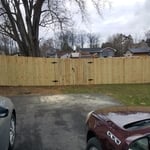
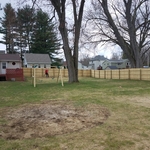
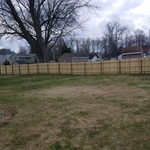
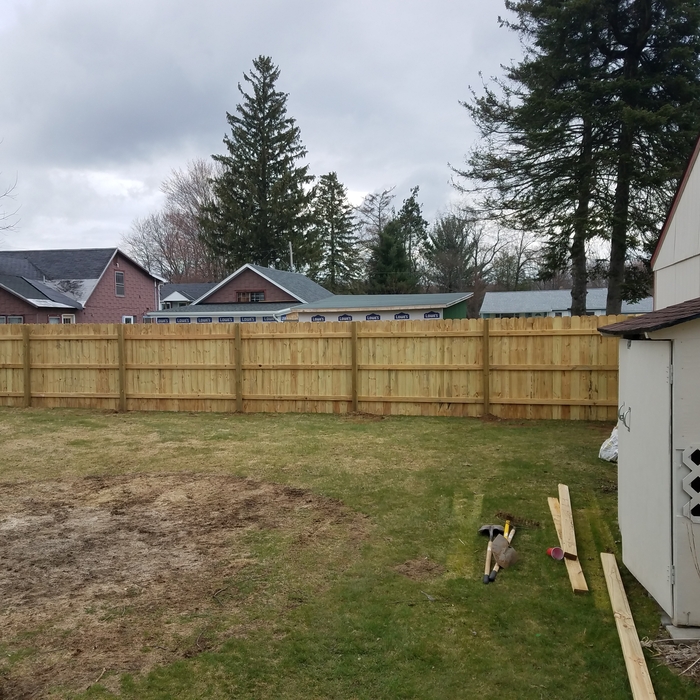
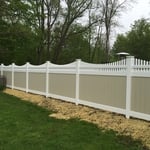
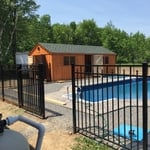
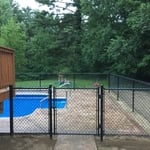
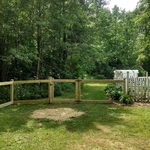
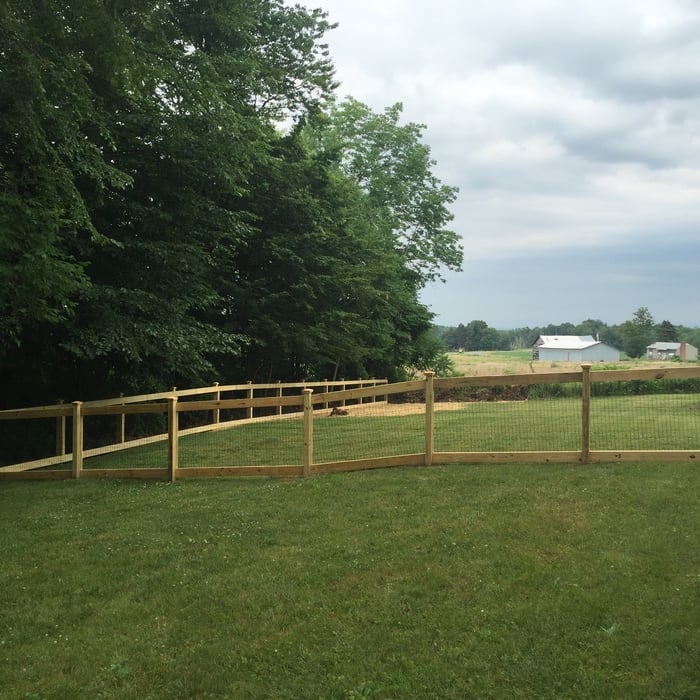
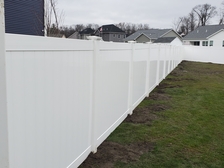
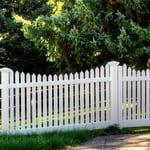
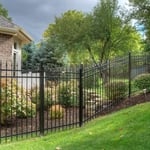
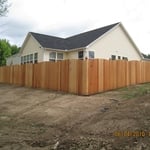
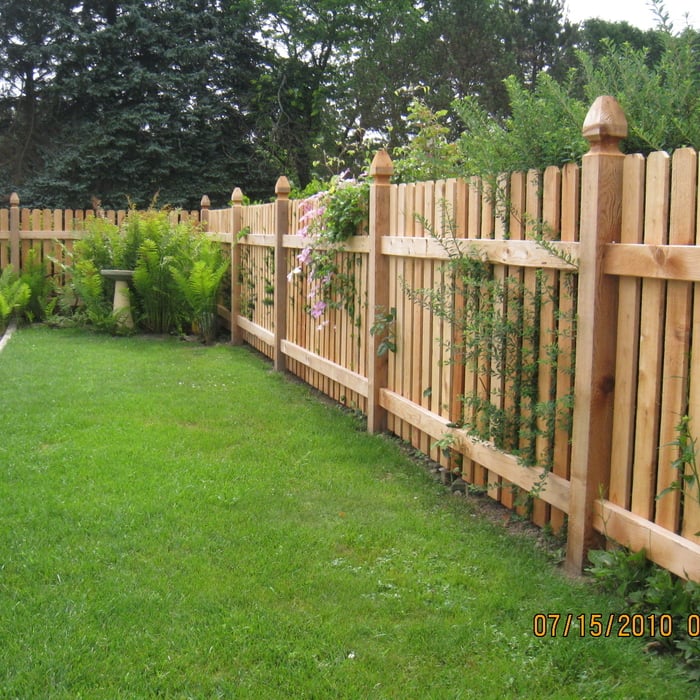
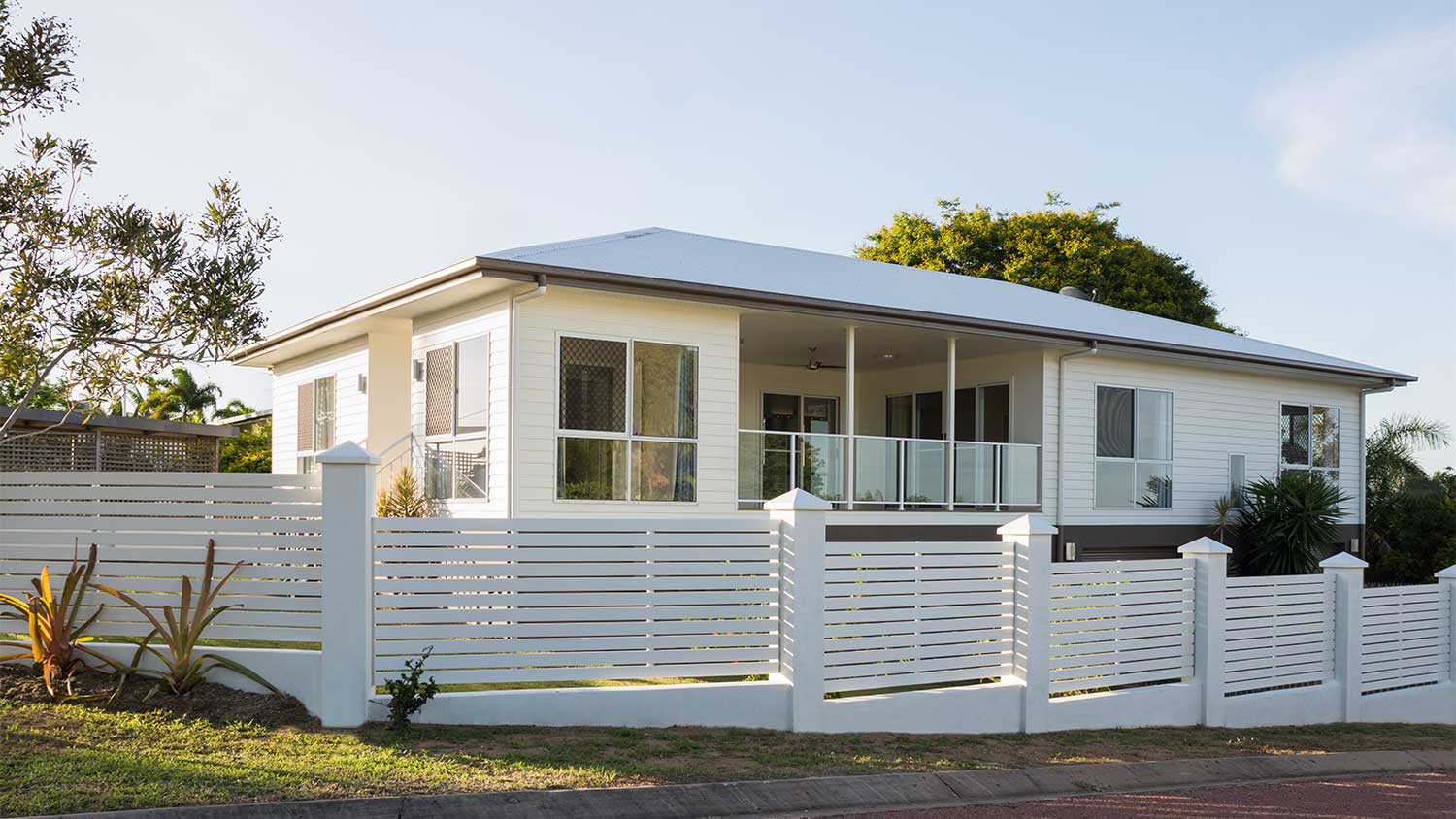
"Bryce and his crew from BD Fence removed an old fence and designed and installed a new wooden fence and I am thrilled with it !! The fence is beautiful and I have had so many compliments on how great it looks. The guys were wonderful to work with and completed the job in just a couple of days. I highly recommend Bryce and his crew from BD Fence Solutions for any fencing project you might have. They are the BEST !!"
"Right way Fencing did an excellent job installing my fence. This was the second time I had a fence installed by Right way and would recommend them to anyone. Their work is professionally done and looks amazing in the end."
"It was a great pleasure to work with Paul. He is very considerate and accommodating. He communicated very well before and during the installation. He offered life time warranty of the fence, which provides peace of mind. Highly recommend!"
"The guys from Atlas did a great job. The new fence looks wonderful! And they really went out of their way, as well as above and beyond the call of duty, by setting up a temporary fence that allowed us to continue to let the dogs out in the yard."
"I hired Sergiy to redo my deck. He first got a sense of my expectations before he went about exceeding them. He hand-selected the lumber to ensure they were of the highest quality, and even went so far as to reject the selection offered from a local yard to scour the county for just the right pieces. He and his crew were perfectionists, correcting flaws in the original construction and providing finishing touches that I would never have thought of. He kept to his original estimate. Materials were at cost: he provided me with receipts and an inventory for all purchases, and when he decided something wasn’t needed, he returned it and refunded me. He and his crew were polite and tidy throughout the process. The deck looks amazing – amazingly high quality materials matched by a proud craftsmanship. Seriously highly recommended!"
In addition to the fence itself, several factors can impact the overall price of putting a fence in. Consider these add-ons and necessary expenses when building your project budget.
For example, additional cost factors may include:
Yes, fence posts need to be installed below the frost line to ensure stability and prevent heaving caused by freezing and thawing cycles. The frost line is the depth at which soil freezes during winter. By placing posts below this line, often around 3 to 4 feet deep or as recommended for your specific region, you reduce the risk of the ground shifting, which can lead to leaning or unstable fences. Adequate depth provides better anchoring and helps maintain the fence's integrity, ensuring it remains secure and upright throughout changing seasons.
A board on board fence is a type of privacy fence that uses overlapping vertical boards to keep onlookers from seeing into the fenced yard. Typically made of wood, board on board fences are more expensive than other privacy fences because they use more materials and require more complex construction.
Most privacy fences are easy to install if you’re going with a DIY-friendly option like a wood fence, vinyl fence, or pallet fence. Since pallet fences come in the form of pre-constructed fence panels, they’re often considered the easiest privacy fence to install. Just get your fence stakes in the ground and slide the pallets onto them before securing them with scrapboard.
When deciding between fence post foam and concrete, the best choice depends on your specific needs and priorities. Concrete is generally considered stronger and more durable, making it the preferred option for heavy, load-bearing posts. However, expanding foam offers several advantages, such as being more eco-friendly and curing much faster. For smaller fences or those made with lighter materials like vinyl or wire mesh, post foam is a good alternative. While concrete is more affordable, it is also harder to work with and has a longer curing time.
The Frankfort, NY homeowners’ guide to fencing services
From average costs to expert advice, get all the answers you need to get your job done.
Chain-link fences are among the most affordable options available. Use this chain link fence cost guide to see what your fence installation will total.
Fence repair costs depend on the extent of damage, your fence's material, and how much of the fence you need to fix. Explore all the price factors in this guide.