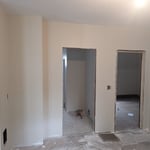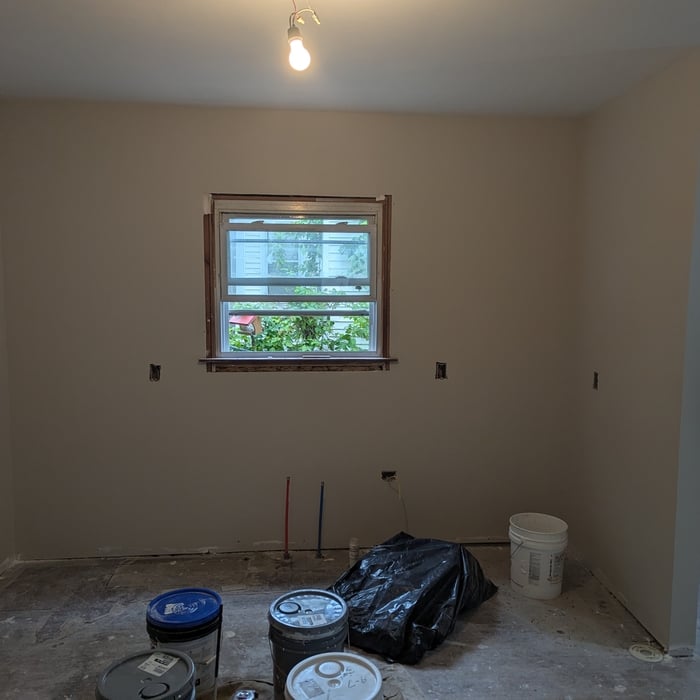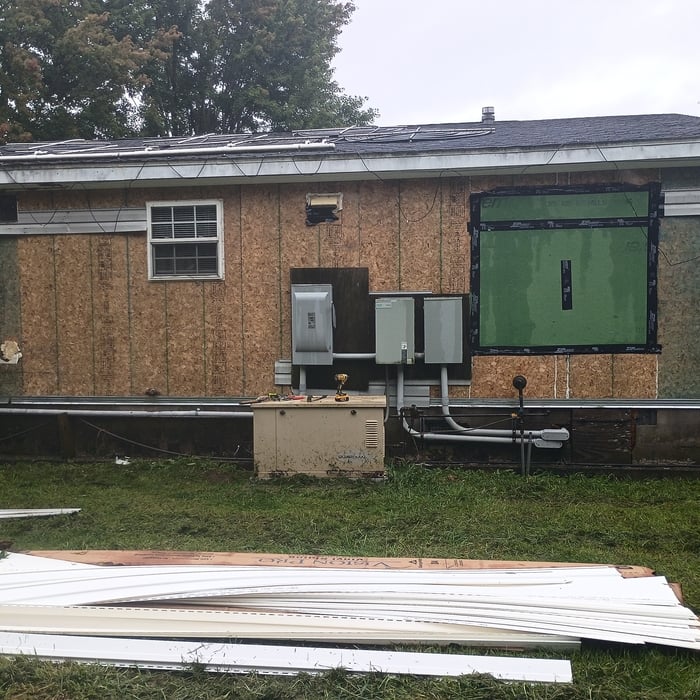




Top-rated drywall pros.

Get matched with top drywall pros in Oswegatchie, NY

Enter your zip and get matched with up to 5 pros

Need a pro for your drywall service project in Oswegatchie, NY?

Select your specific project to find the pro for you.

Find Drywall pros in Oswegatchie

Avatar for Ashwood Drywall
Ashwood Drywall
New to Angi
Drywall - RepairDrywall - InstallDrywall - Install - For Business+1 more

Serving Oswegatchie, NY and surrounding areas

Approved

In business since 2010

Free estimates

Credit card accepted

Ashwood Drywall is dedicated to providing our customers with the best quality and\ncraftsmanship. We are here to build relationships with our customers and communities and to provide\nour employees with a great place to work. We look forward to working with you!

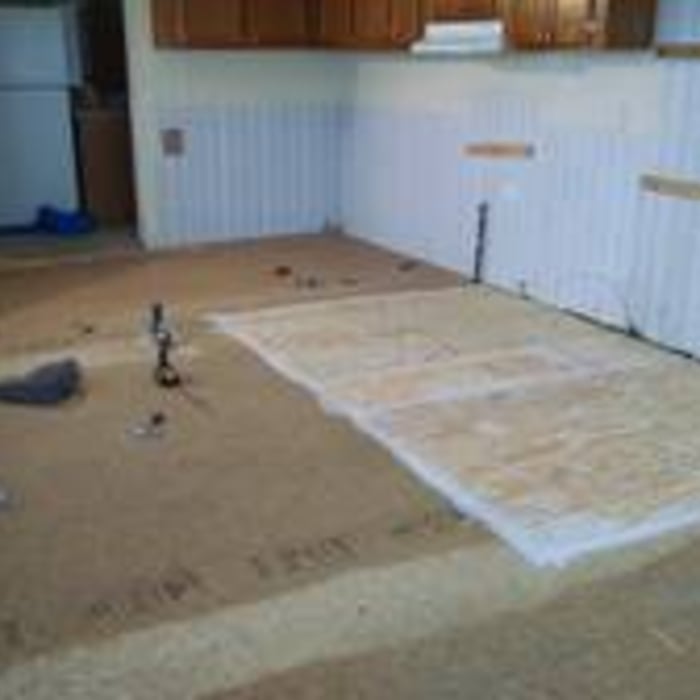
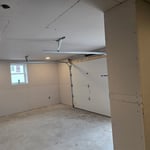
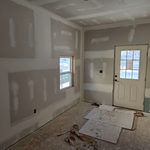
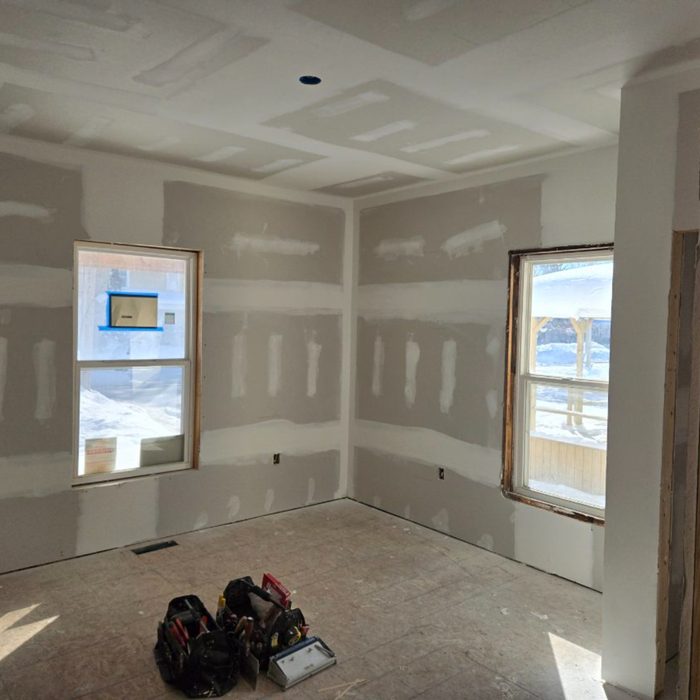
Project Photos
Project Photos
Project Photos
Project Photos
Project Photos

+4

3 neighbors recently requested a quote
Avatar for Scott Property Services
Scott Property Services
5.0(
10
)
Drywall - InstallDrywall - RepairDrywall - Repair - For Business

Serving Oswegatchie, NY and surrounding areas

In business since 2018

Free estimates

Warranties offered

"Terry and Nola were great to work with. They were honest, professional, reliable, and we would definitely use their service again. They made some extensive drywall repairs for us that others would not tackle and repainted our entire house. We could not be happier with the end result and we are so glad Terry replied to our ad. If you are in need of honest, hard working people to work for you, Scott Property Service is the company you want on your job."
Living Room
Living Room
Interior Paint
Interior Paint
Interior Paint

+55

Response time9 hrs
Recommended by100%of homeowners
...
Showing 1-10 of 91
Drywall questions, answered by experts

There are six levels of drywall finish, from 0 to 5, that refer to the amount of work performed during the finishing process.

Level 0: Drywall is hung with no finishing work.

Level 1: Tape is placed over the seams between drywall sheets.

Level 2: A thin layer of mud is applied over the tape and screw holes. This level is common for utility rooms or walls that will be covered.

Level 3: A full coat of mud covers the screw holes and tape, but the surface is not sanded. This is often used in garages.

Level 4: This is the most common finish for visible interior walls. It involves applying two coats of mud over seams and screw holes, with sanding between each coat, creating a smooth surface ready for flat paint.

Level 5: This is a high-end finish for luxury homes. It includes full taping, mudding, and sanding, plus a final skim coat over the entire surface before painting.

All plaster walls will crack over time due to normal house settling and expansion and contraction from temperature and moisture changes. Small, thin hairline cracks are generally not serious and are mostly a cosmetic issue. However, larger or more significant cracks can indicate structural problems.

Here's how to tell the difference:

  • Cosmetic Cracks: Cracks that are 0.5 cm (0.2 inches) or thinner are typically cosmetic.

  • Structural Cracks: Cracks wider than 0.5 cm, excessive or deep cracks, multiple cracks in the same area, or cracks that span around corners can signify a structural or foundation issue. Cracks along the joints where walls meet the ceiling also warrant attention.

For cracks wider than 0.5 cm, structural repair is needed. If a crack is 2.5 cm (1 inch) or wider, or if you notice any signs of a structural problem, it is best to contact a plaster repair professional to assess the damage.

If you plan on heating your garage, you must install a vapor barrier when drywalling the garage. A vapor barrier protects your garage from frost and mold that can occur through condensation. If your garage is unheated, you don't need to install a vapor barrier. The only exception is if you regularly crank the heat in your car before getting in it. In this case, you may still want to install a vapor barrier, as your car can heat your garage.

When doing a DIY paint job, it can be tricky to achieve the perfect, straight line between your wall and ceiling. There are several methods, including lining it with painter’s tape and using the “cut in” brush tactic. Some homeowners choose to apply a thin line of caulk to the wall-ceiling seam to create the appearance of a perfect line.
While a normal moisture level for drywall is between 5% and 12%, replacement is recommended if you get consistent readings above 17%. At this level, the drywall is likely too compromised by extensive moisture damage to be considered safe. You can replace either the entire sheet or just the affected section. If you are unsure after a visual inspection, it is best to have a contractor or water restoration provider use a professional moisture meter to get an accurate reading.

The Oswegatchie, NY homeowners’ guide to drywall services

From average costs to expert advice, get all the answers you need to get your job done.