



Top-rated drywall insulation pros.

Get matched with top drywall insulation pros in Fayette, NY

Enter your zip and get matched with up to 5 pros

Need a pro for your drywall insulation project in Fayette, NY?

Select your specific project to find the pro for you.

TRUSTED BY FAYETTE, NY HOMEOWNERS

  • Average homeowner rating star icon4.4
    Average homeowner rating
  • Verified reviews icon52
    Verified drywall insulation services reviews

Find Drywall insulation pros in Fayette

Avatar for Superior Insulation Company, LLC
Superior Insulation Company, LLC
4.5(
26
)
Blown-In Insulation - Install or UpgradeInjection Insulation - Install

Serving Fayette, NY and surrounding areas

Approved

In business since 1987

Free estimates

Warranties offered

"The owner of the company did my estimate, and was wonderful in explaining things, and at no point did I feel I was being up sold or steered in any direction. The two installers were pleasant, quiet, worked clean and quickly. They left the house as clean as it had been when they arrived, and I am already appreciating a change in the air temperature in my upstairs. I would completely recommend Superior Insulation."
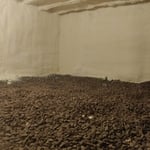
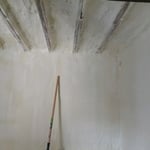
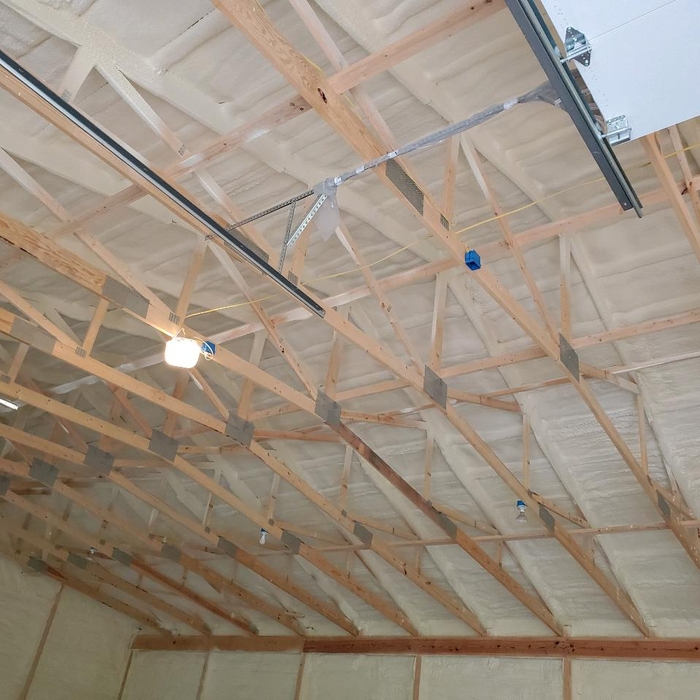
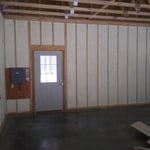
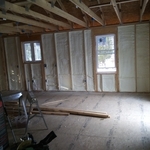
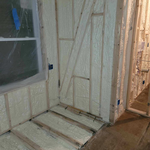
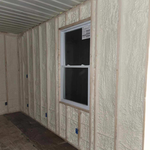
spray foam
ceiling and walls
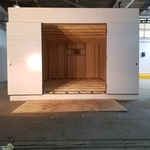
COOLER
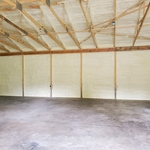
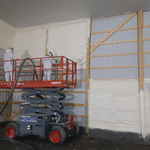
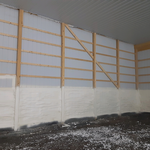
POLE BARN CLOSED CELL FOAM

+6

Response time4 days
77 neighbors recently requested a quote
Recommended by95%of homeowners

Mr. Sprayfoam, Inc.
4.5(
27
)
Blown-In Insulation - Install or Upgrade

Serving Fayette, NY and surrounding areas

In business since 2000

Free estimates

Credit card accepted

"Mark was very professional and gave a complete explanation of the estimate and work involved. while only one man showed up on the date scheduled for insulation, he completed the exterior walls foam insulation work including the interior basement rim in the day as promised and was very courteous and thorough. I have noticed quite an improvement in the warmth of my home and especially since we have had 2 very cold weeks since Christmas. negative degrees! I am very pleased with the company and the work."
Response time2 days
Recommended by95%of homeowners
Avatar for Craig Thomas Pest Control
Craig Thomas Pest Control
4.6(
115
)
Blown-In Insulation - Install or UpgradeInjection Insulation - InstallInsulation - Install or Upgrade

Serving Fayette, NY and surrounding areas

In business since 1996

Credit card accepted

"So far, I'm very impressed. It's a really big building.  Bats and squirrels have been a big problem. The crew came a number of times. They'll return to finish up over the next couple of weeks. In the meantime, everybody's been pleasant, professional, and punctual. I got follow-up calls to see if there were any concerns or questions. They gave me the best price out of 3 quotes.
"
Three Generations
Three Generations
The Thomas Family
Recommended by93%of homeowners

Showing 1-10 of 27
Drywall Insulation questions, answered by experts

Although they have similar applications, spackle and joint compound are not the same. Their primary differences lie in their composition, consistency, and ideal use cases.

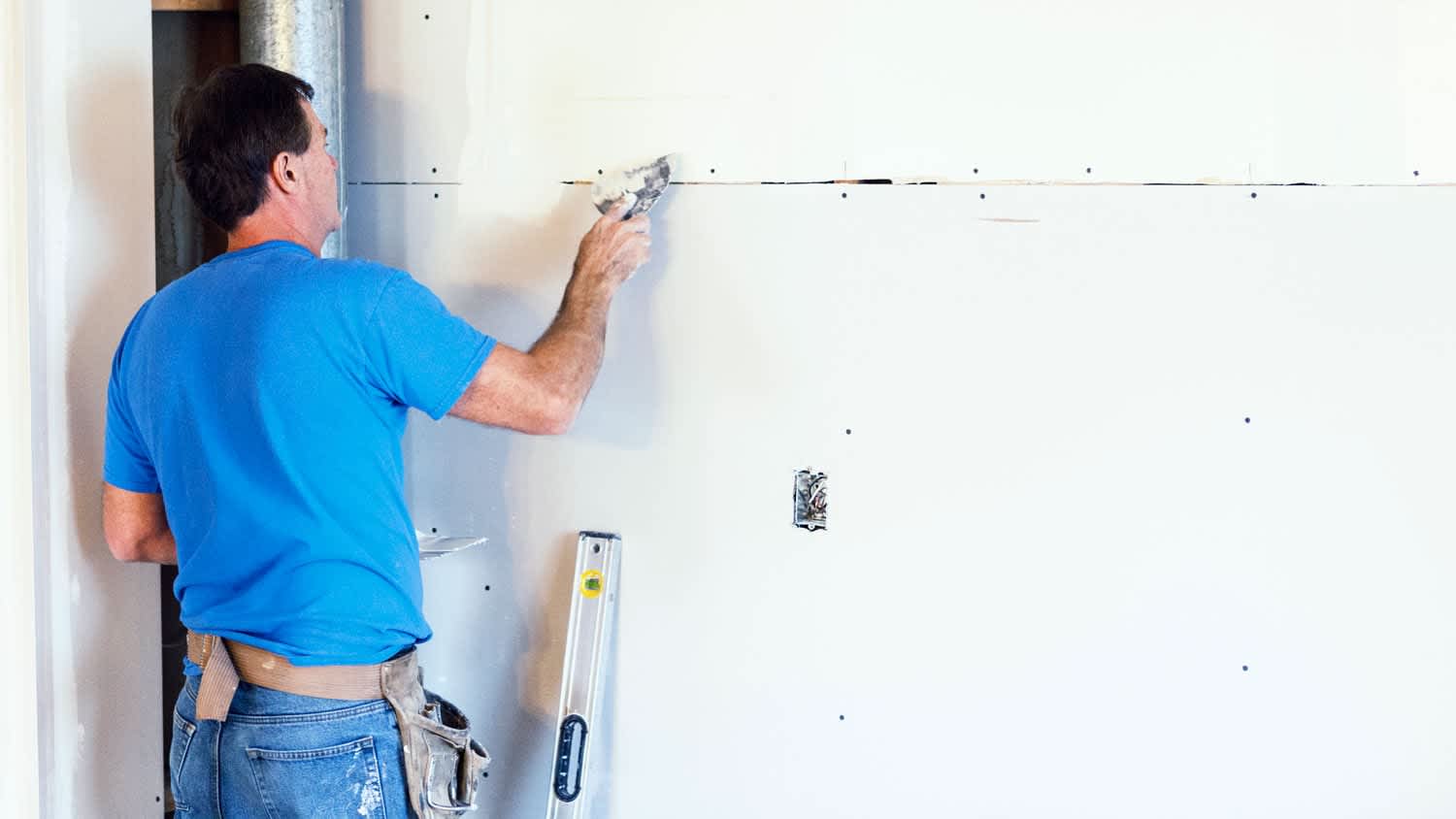
Spackle is composed of gypsum and binding agents, making it thicker than joint compound. It dries quickly and is easy to sand, which makes it ideal for small wall repair projects like filling nail holes or patching minor damage.

Joint compound, also known as drywall mud, consists of limestone and gypsum. It is primarily used for large-scale projects, such as taping and finishing the seams on newly installed drywall. It tends to shrink more than spackle and can be more difficult to spread.

While both products can be used to fill small depressions and cracks, spackle cannot replace joint compound for taping and mudding new drywall. Conversely, you can often use joint compound for small patching jobs typically done with spackle.

You should leave a gap between drywall sheets because they naturally expand and contract along with the building framing as temperature and humidity change. Most pro drywall installers leave a gap of about ⅛ inch between drywall sheets, allowing the sheets to expand, contract, and shift without cracking or becoming damaged. If you don’t leave enough gaps between slabs, the edges will press against each other when they expand, and the pressure can cause visible cracks.

The amount of drywall you need for a 1,000-square-foot basement depends on the ceiling height, angles, number of doors and windows, and more. To find the wall square footage, multiply the width and height of each wall, minus any gaps from windows or doors, and add the totals together. You’ll also need enough drywood nails or screws to install the drywall correctly.

Cracks, holes, water damage, and dents from heavy equipment often require repair.

The easiest way to remove texture from walls is the soak-and-scrape method. You’ll need to spray a section of the wall with water and let the water soak in and soften the texture. Then, you need to scrape the texture off using a drywall taping knife. This method works best with unpainted walls since paint prevents water from saturating the textured joint compound.

The Fayette, NY homeowners’ guide to drywall insulation services

From average costs to expert advice, get all the answers you need to get your job done.