Top-rated drywall insulation pros.

Get matched with top drywall insulation pros in Auburn, NY

Enter your zip and get matched with up to 5 pros

Need a pro for your drywall insulation project in Auburn, NY?

Select your specific project to find the pro for you.

TRUSTED BY AUBURN, NY HOMEOWNERS

  • Average homeowner rating star icon4.8
    Average homeowner rating
  • Verified reviews icon69
    Verified drywall insulation services reviews

Find Drywall insulation pros in Auburn

Avatar for Central New York Insulation
Central New York Insulation
5.0(
23
)
Blown-In Insulation - Install or Upgrade

Serving Auburn, NY and surrounding areas

Approved

Super Service Award Winner

In business since 2001

Free estimates

Small jobs welcome

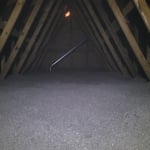
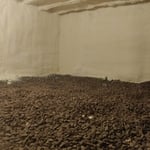
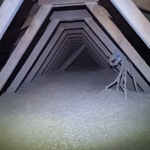
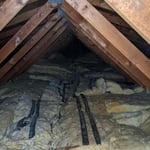
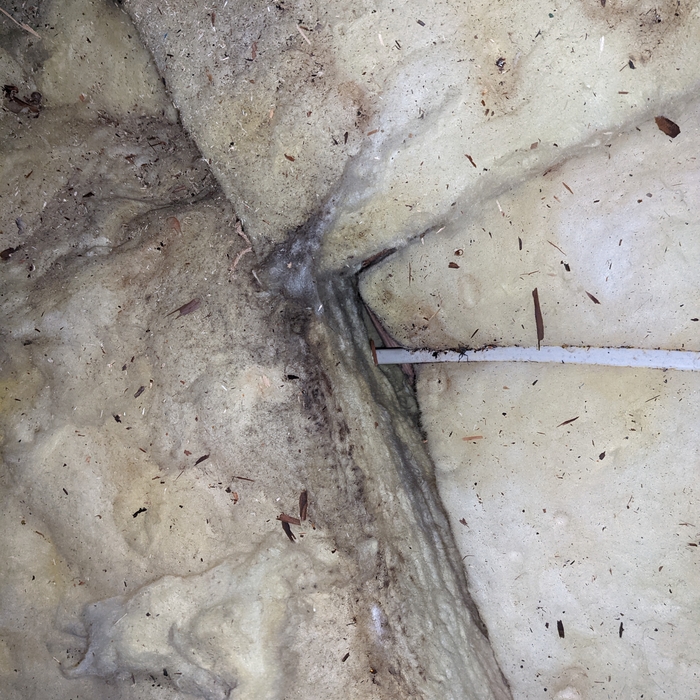
"Cny insulation came to my facility and our attic had very little insulation. They put blown in insulation, cellulose, along with fixing a bathroom vent, and a ventilation pipe. The before and after pictures showed over 15" of cellulose. They left the premises (church) immaculate. I would recommend to anyone. What a great job!"
finished attic
Response time6 hrs
Response rate88%
41 neighbors recently requested a quote
Avatar for Superior Insulation Company, LLC
Superior Insulation Company, LLC
4.5(
26
)
Blown-In Insulation - Install or UpgradeInjection Insulation - Install

Serving Auburn, NY and surrounding areas

Approved

In business since 1987

Free estimates

Warranties offered

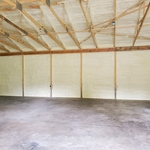
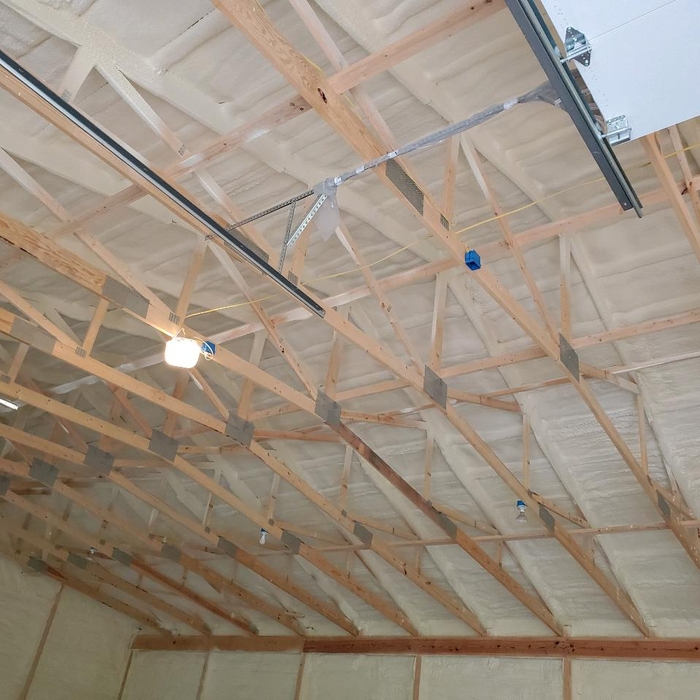
"The owner of the company did my estimate, and was wonderful in explaining things, and at no point did I feel I was being up sold or steered in any direction. The two installers were pleasant, quiet, worked clean and quickly. They left the house as clean as it had been when they arrived, and I am already appreciating a change in the air temperature in my upstairs. I would completely recommend Superior Insulation."
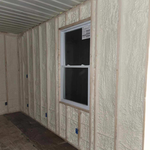
spray foam
ceiling and walls
COOLER
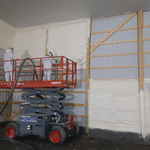
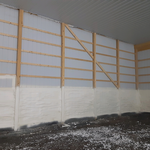
POLE BARN CLOSED CELL FOAM

+6

Response time4 days
69 neighbors recently requested a quote
Recommended by95%of homeowners
Avatar for GreenHomes America
GreenHomes America
4.4(
31
)
Blown-In Insulation - Install or UpgradeInjection Insulation - InstallInsulation - Install or Upgrade

Serving Auburn, NY and surrounding areas

In business since 1980

Free estimates

Emergency services offered

"There were two crews working at the same time.  The insulation crew headed by Jim worked outside for three days in the extreme heat, the 2nd day hitting a temp of 101.  They insulated  inside and out and you would never know they were here.  They cleaned up every last scrap and vacuumed all the residue.  They were efficient, professional and  personable to work with.    The HVAC crew, Mike and Frank had to remove my cast iron furnace that the previous owners had set in cement; (the guys said it looked like the furnace was put in and the house was built around it!)  It was quite a job getting that out of my basement but, they did it!. They were also very professional, friendly and answered all my questions with courtesey and information I could understand.  They even programmed my thermostat and explained how I could change it if needed.    I now have a high efficiency heating and air con system that should decrease my energy bills to a third of what I was paying and I won't have to freeze this winter.    I would highly recommend Green Homes and will call on them again when I am ready to replace my old windows."
Window Example
Window Example
Window Example
Recommended by84%of homeowners
Showing 1-10 of 34
Drywall Insulation questions, answered by experts

Wet-sanding and dry-sanding each have pros and cons. Dry-sanding is less messy, so it’s a good option if you’re trying to minimize dust (for example, if you’re sanding an occupied home or working with particularly dry or dusty drywall mud). However, dry-sanding is quicker because you don’t have to keep rinsing a sponge or wait for it to dry before painting.

When choosing materials for finishing basement walls, consider factors such as moisture resistance, durability, and fire resistance. Opt for materials specifically designed for basement environments, like moisture-resistant drywall or cement board. Insulation with vapor barriers can help regulate temperature and prevent condensation. Consider using mold-resistant paints or coatings. 

Research and consult with experts to select materials that are suitable for your specific basement conditions and intended use. Prioritize quality and compatibility to achieve long-lasting and aesthetically pleasing results.

Plastering and skimming are two different techniques for finishing walls. Plastering involves applying a thick layer of a plaster mixture—typically containing gypsum, lime, cement, sand, and water—to create a new surface. This process often requires multiple coats and is used for repairing significant damage or creating decorative textures. Skimming, on the other hand, is a technique that involves applying a thin layer of drywall compound or joint compound over an existing surface to smooth it out, covering minor imperfections, small cracks, or uneven textures for a polished look. Plastering is generally more costly and labor-intensive than skimming. Although some people use the terms interchangeably, they refer to different processes and materials.

Drywall tape is made of paper, while drywall mesh is made of fiberglass or metal. Drywall mesh patches are suitable for repairing small holes in drywall, while paper drywall tape holds a crease better for corners. You need joint compound to adhere drywall tape to the wall, while mesh patches may be self-adhesive.

There are six levels of drywall finish, from 0 to 5, that refer to the amount of work performed during the finishing process.

Level 0: Drywall is hung with no finishing work.

Level 1: Tape is placed over the seams between drywall sheets.

Level 2: A thin layer of mud is applied over the tape and screw holes. This level is common for utility rooms or walls that will be covered.

Level 3: A full coat of mud covers the screw holes and tape, but the surface is not sanded. This is often used in garages.

Level 4: This is the most common finish for visible interior walls. It involves applying two coats of mud over seams and screw holes, with sanding between each coat, creating a smooth surface ready for flat paint.

Level 5: This is a high-end finish for luxury homes. It includes full taping, mudding, and sanding, plus a final skim coat over the entire surface before painting.

The Auburn, NY homeowners’ guide to drywall insulation services

From average costs to expert advice, get all the answers you need to get your job done.