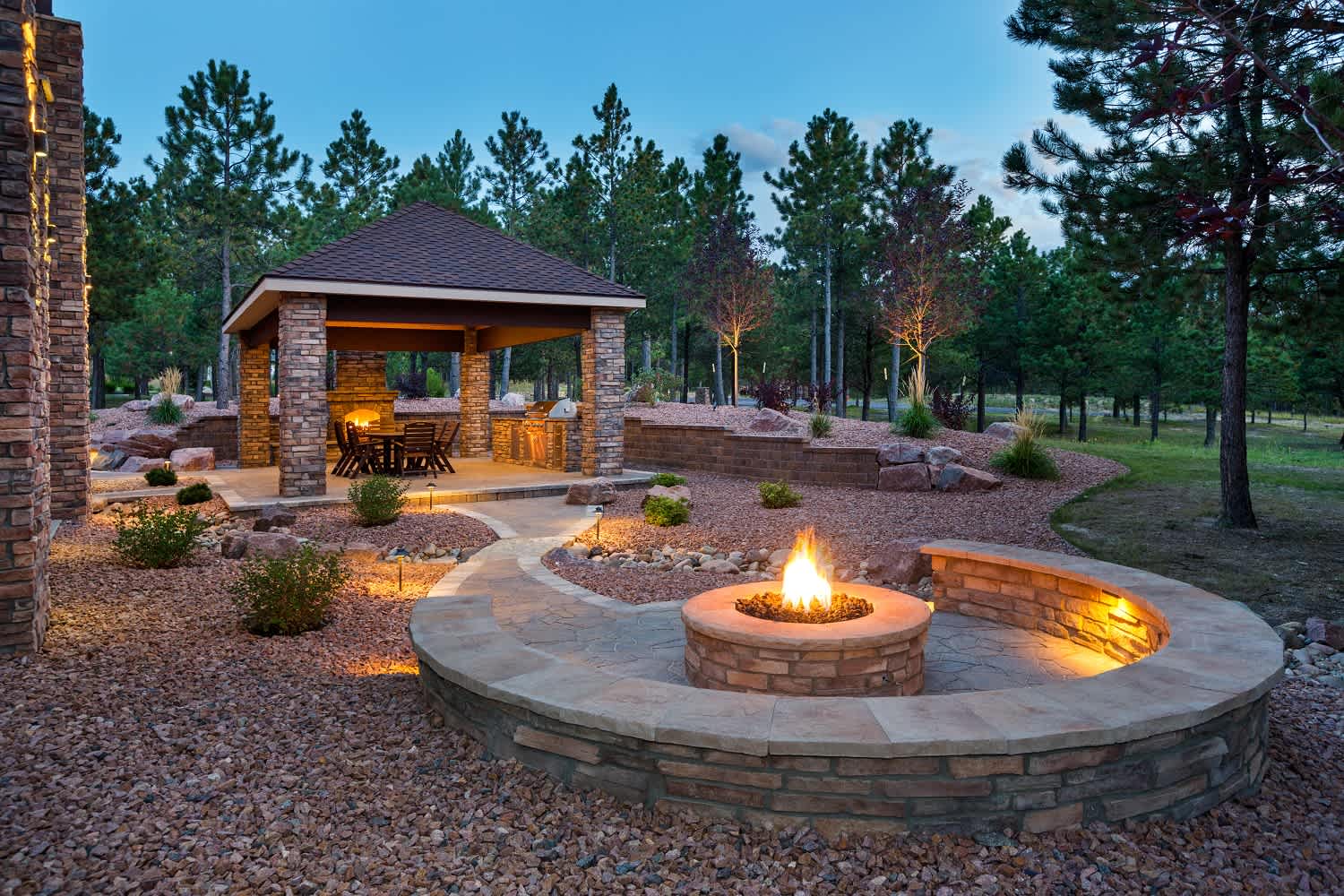



Top-rated fire pit installation pros.

Get matched with top fire pit installation pros in Corona, NY

Enter your zip and get matched with up to 5 pros

Need a pro for your fire pit installation project in Corona, NY?

Select your specific project to find the pro for you.

TRUSTED BY CORONA, NY HOMEOWNERS

  • Average homeowner rating star icon3.6
    Average homeowner rating
  • Verified reviews icon212
    Verified fire pit installation services reviews

Find Fire pit installation pros in Corona

No results for Fire pit installation pro in

Try adjusting your search criteria.
Fire Pit Installation questions, answered by experts

Once your ashes have fully cooled, you can place them in a heavy-duty trash bag and put them into the bin with your normal trash. If you have wood ash, you can add the ash to your composting pile or sprinkle it over your grass or plants directly for added nutrients.

Yes, it is generally safe to have a fire pit on a deck, but you must adhere to building codes and take several safety precautions. For both built-in and freestanding models, you must use a heat-resistant barrier, such as a fire pit pad or heat shield, between the pit and the deck. Additionally, consider the weight of the fire pit and ensure your deck can structurally support it, reinforcing it if necessary. The fire pit must also be positioned a safe distance from your house, particularly from materials like vinyl siding, to prevent heat damage.

Yes, there are regulations on using wood stoves, particularly concerning emissions and installation standards. The Environmental Protection Agency (EPA) sets emission limits for wood stoves to ensure they burn cleaner and more efficiently. Additionally, local building codes may have specific requirements for installation and venting, so it's essential to check with local authorities before installing or upgrading your stove.

A home fire sprinkler system reduces heat, flames, and smoke within seconds. Fire sprinkler systems hide in walls with sprinkler heads running along the piping throughout your home.

When the air surrounding a sprinkler reaches a specific temperature, the heads closest to the fire activate and release anywhere from 10 to 25 gallons of water per minute.

Yes, you should seal and cap an unused chimney to protect it from damage. Sealing the structure helps prevent moisture damage, which can lead to issues like cracks, spalling, efflorescence, and damaged mortar joints. Capping the chimney is also crucial to prevent blockages, damage from invasive critters, and downdrafts, while still allowing for proper air ventilation to manage moisture. For the best results, consult a chimney professional to select the right type of chimney or flue cap for your home. It's also wise to continue with annual chimney inspections to maintain the structure's integrity.

The Corona, NY homeowners’ guide to fire pit installation services

From average costs to expert advice, get all the answers you need to get your job done.