We're a locally owned and operated company that values honesty and integrity, and stands behind our work. We pride ourselves on the quality of our work as well as our commitment to outstanding results. We look forward to building long-term relationships with our clients and guarantee your satisfaction!
Consultation with the local government helps identify necessary permits, avoid project delays or legal issues, and protect project integrity.
Some two-in-one tools and machines do both jobs, and those could be the right solution for smaller residential projects. However, the phrase “use the right tool for the job” definitely applies to digging. For the best results, get two separate tools for your trenching and landscape edging projects or call a pro to take care of everything for you.
Downspouts should be buried at least 5 to 10 feet away from your foundation. This can vary depending on your local building codes, soil type, and property slope. The main goal is to ensure water is directed away from your foundation.
Preparation involves site assessment, clearing debris, grading surfaces, and compacting soil to support stable construction.
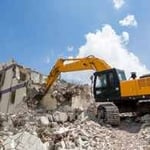
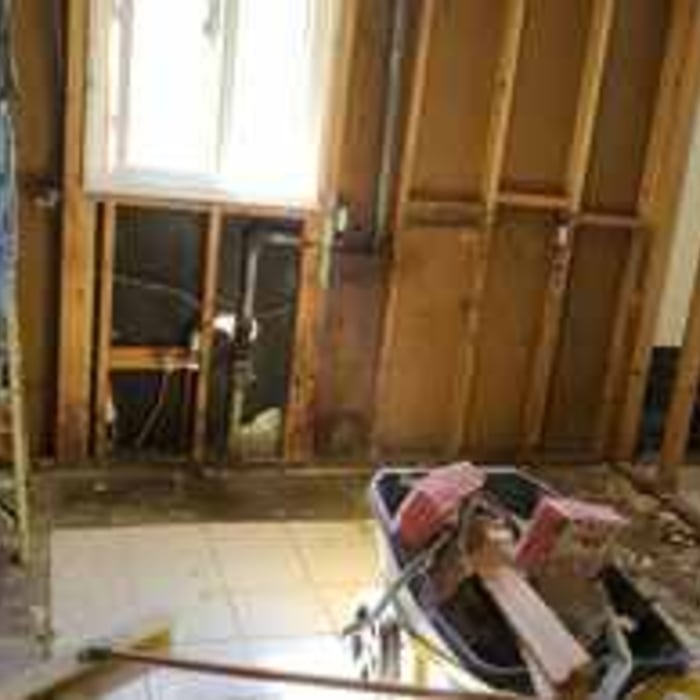
While general contractors sometimes handle demolition, you can also look specifically for local demolition contractors. Demolition experts need to understand structural integrity, the equipment needed for safe demolition, and the permits required for demolition.
The Mercury, NV homeowners’ guide to excavation services
From average costs to expert advice, get all the answers you need to get your job done.
Excavation costs $1,500 to $6,300 for most residential projects—but it depends on factors like the size of the area. This guide will help you plan a budget.
You can't have an in-ground pool without digging into the ground. How much does pool excavation cost, and can you take it on yourself? Our guide explains.