
Top-rated energy efficiency auditors.

Get matched with top energy efficiency auditors in Bunkerville, NV

Enter your zip and get matched with up to 5 pros

Need a pro for your energy efficiency auditing project in Bunkerville, NV?

Select your specific project to find the pro for you.

Find Energy efficiency auditors in Bunkerville

Avatar for Home Energy Connection, LLC
Home Energy Connection, LLC
4.7(
20
)

Serving Bunkerville, NV and surrounding areas

Approved

In business since 2007

Free estimates

Credit card accepted

"Why did I get an Energy Audit. So I could make informed decisions about how best to cut my energy bill for a tight budget. For me that was sealing up little cracks around light switches and bathroom fans. $50 of calking and foam. I estimated everything to an 8" x 8" opening. Two hours of work and it's like I closed a window that was opened a couple inches. For the next step It turns out I have plenty of insulation in my attic. It's just not installed correctly, hopefully I can do it myself or get a handyman to do it for a couple hundred dollars."
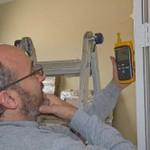
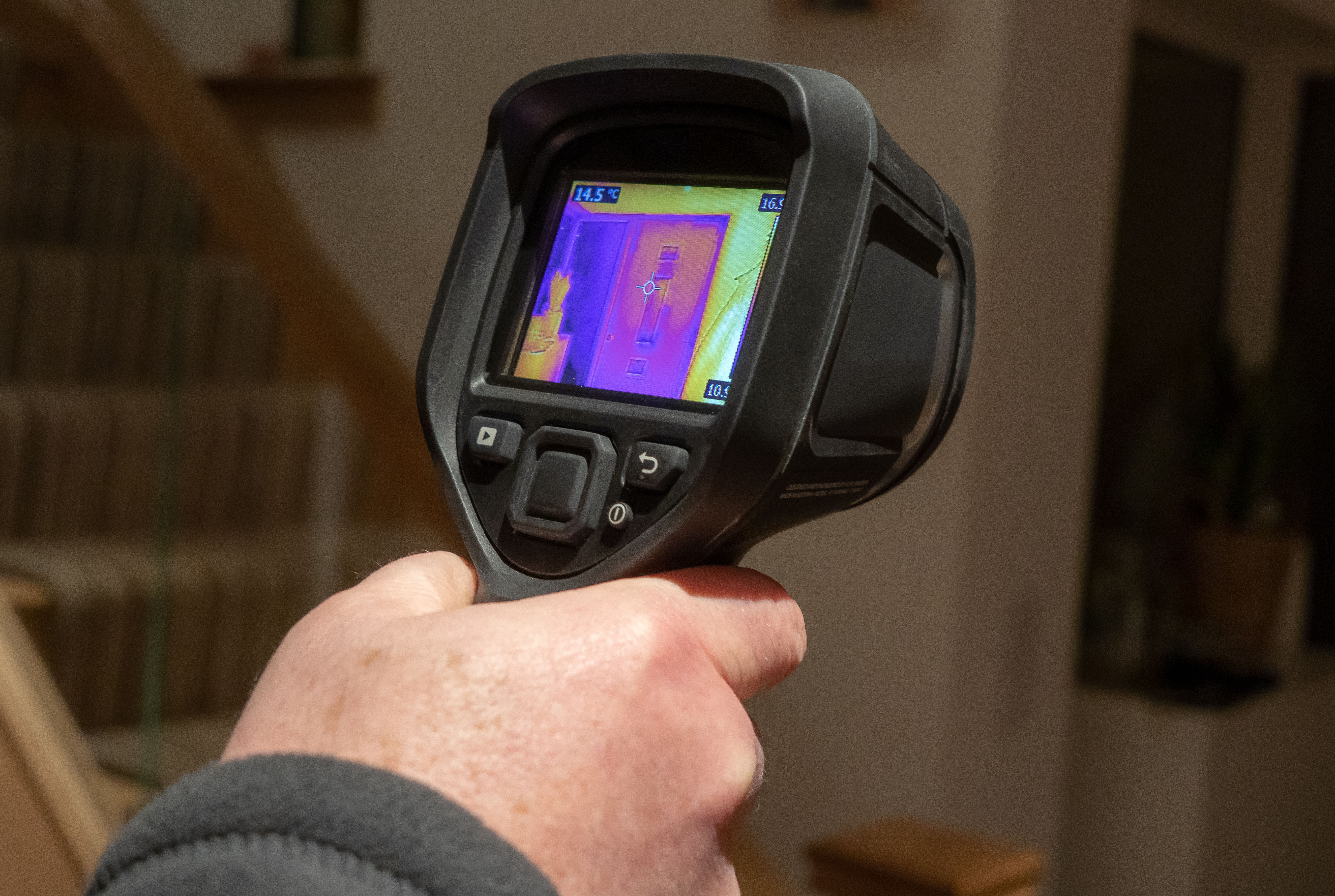
Collecting temperature data
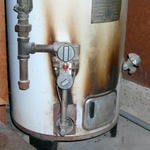
 Backdrafting
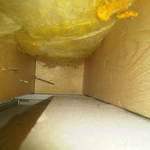
 Mis-aligned insulation (R-0)
Response time5 hrs
Response rate100%
1 neighbors recently requested a quote
Energy Efficiency Auditing questions, answered by experts

Installing weather stripping or upgrading to insulated panels can improve efficiency.

When installing a new furnace, it's a good time to consider other projects that can enhance your home's energy efficiency. A great first step is to get a home energy audit, which will identify areas for improvement. Common recommendations include sealing or replacing windows and adding insulation to the attic. These upgrades can help you save money on monthly utility costs. You might also consider installing a smart thermostat to make heating your home more convenient and efficient.

Yes, pros suggest units with high EER ratings for energy savings.

STC (Sound Transmission Class) is a rating that describes how well a building material or assembly blocks airborne sound. A higher STC rating means less noise will pass through the material, providing better sound reduction. This rating system applies to various building components, including windows, doors, flooring, drywall, and insulation.

For context, a typical single-pane window has an STC rating of around 25 (where normal conversations are audible), while a well-sealed, double-pane window can exceed STC 45 (blocking loud speech and most music). It is important to note that for some products, like soundproofing drywall, the STC rating refers to the entire wall system, not just the individual panel.

Additionally, STC ratings are most effective for measuring sound reduction at mid-to-high frequencies, such as human speech, and may not accurately reflect how well a material blocks low-frequency sounds like bass music or thunder. Because of these factors, it is recommended to consult a professional to determine the right STC-rated materials for your specific soundproofing needs.

R-value measures an insulation material's thermal resistance, indicating its ability to resist heat transfer. A higher R-value signifies better insulation performance because the material is more effective at slowing heat flow. The R-value depends on the type, thickness, and density of the insulation material, such as fiberglass, foam, or cellulose. Each inch of insulation typically provides an R-value between 3 and 8. There is no single universal R-value; the optimal choice depends on your climate zone. Colder climates require a much higher R-value than warmer ones to maintain energy efficiency, keep the home warm in winter and cool in summer, and manage costs.

The Bunkerville, NV homeowners’ guide to energy efficiency auditing services

From average costs to expert advice, get all the answers you need to get your job done.