
Top-rated energy efficiency auditors.

Best energy efficiency auditors near Moapa, NV

Enter your zip and get matched with up to 5 pros

Need a pro for your energy efficiency auditing project in Moapa, NV?

Select your specific project to find the pro for you.

Top-Rated Energy efficiency auditors in Moapa - Updated Nov 2026

Avatar for Home Energy Connection, LLC
Home Energy Connection, LLC
4.7(
20
)
Energy Audit - For BusinessHome Energy Audit

Serving Moapa, NV and surrounding areas

Approved

In business since 2007

Free estimates

Credit card accepted

"Why did I get an Energy Audit. So I could make informed decisions about how best to cut my energy bill for a tight budget. For me that was sealing up little cracks around light switches and bathroom fans. $50 of calking and foam. I estimated everything to an 8" x 8" opening. Two hours of work and it's like I closed a window that was opened a couple inches. For the next step It turns out I have plenty of insulation in my attic. It's just not installed correctly, hopefully I can do it myself or get a handyman to do it for a couple hundred dollars."
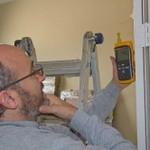
Collecting temperature data
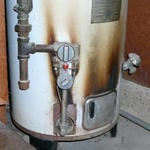
 Backdrafting
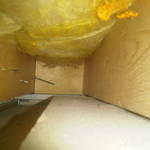
 Mis-aligned insulation (R-0)
Response time5 hrs
Response rate100%
Recommended by100%of homeowners

Energy Efficiency Auditing FAQs, answered by experts

Services by electricians can quickly get expensive, but there are a few ways you can save money in the process:

  • Bundle multiple jobs done at the same time to save on trip fees or flat fees for individual projects.

  • Get at least three quotes for service to find the best deal.

  • Buy fixtures, switches, outlets, and other materials beforehand to avoid product markup.

  • If you feel comfortable with it, have an apprentice or journeyman complete the work under the supervision of a master electrician. These electricians in training tend to charge less per project.

R-value is calculated by dividing the thickness of an insulation material by its thermal conductivity. The material's composition and density influence thermal conductivity. Materials with lower conductivity values provide better insulation. The higher the R-value, the better the material is at insulating, helping homeowners select insulation that meets the energy needs of their climate and home layout.

Homeowners can often access federal tax credits, such as the Investment Tax Credit (ITC), which covers a percentage of installation costs. Many states and utilities offer additional rebates, grants, or performance-based incentives. These programs can significantly lower your upfront investment. Check the Database of State Incentives for Renewables and Efficiency (DSIRE) or contact your local energy office for current offers.

Energy output depends on turbine size, average wind speed at your site, and system efficiency. A 5 kW turbine in a good wind location can generate 8,000 to 12,000 kilowatt-hours per year, which may cover a large portion of an average home’s needs. Accurate output estimates require a professional wind assessment and a review of your household’s energy usage patterns.

The number one culprit of high energy bills is older appliances, especially fridges and freezers that are left on all the time. These two appliances tend to last a long time, which is good, but it also means that newer models are usually significantly more energy-efficient due to upgraded technology. The second most common reason for a high bill is heating and air conditioning.

The Moapa, NV homeowners’ guide to energy efficiency auditing services

From average costs to expert advice, get all the answers you need to get your job done.