Top-rated energy efficiency auditors.

Get matched with top energy efficiency auditors in Washington, UT

Enter your zip and get matched with up to 5 pros

Need a pro for your energy efficiency auditing project in Washington, UT?

Select your specific project to find the pro for you.

Find Energy efficiency auditors in Washington

Avatar for Eco Insulation, LLC
Eco Insulation, LLC
4.7(
37
)
Home Energy Audit

Serving Washington, UT and surrounding areas

Approved

In business since 2009

Free estimates

Warranties offered

"They actually showed up early which was a total surprise and very nice. The workers explain to me and showed me what they were doing exactly and were very friendly and informative . They did a great job I would highly recommend them"
Response time1 day
Response rate89%
3 neighbors recently requested a quote
Avatar for Hone Insulation
Hone Insulation
5.0(
1
)
Home Energy Audit

Serving Washington, UT and surrounding areas

Approved

In business since 2011

Free estimates

Small jobs welcome

"They're response was great, quality of work was great, they educated on me on various types of insulation and did their best to help me stay within my budget."
2 neighbors recently requested a quote
Recommended by100%of homeowners
Avatar for O. C. Home Inspections
O. C. Home Inspections
5.0(
1
)
Energy Audit - For BusinessHome Energy Audit

Serving Washington, UT and surrounding areas

In business since 2019

Free estimates

With over 5 years of experience, Quality is our Goal! We're a locally owned and operated company that values honesty and integrity, and stands behind our work. We specialize in home inspections. Our services are customized to the individual project, paying close attention to the details of each project that we're involved with. We look forward to building long-term relationships with our clients and guarantee your satisfaction! . We also offer Home Energy Audits, Mold Testing, Meth Testing, and Radon Testing.

Buy Back Guarantee
Toxin Testing
Interachi  Certified
Response time4 days
Recommended by100%of homeowners
Energy Efficiency Auditing questions, answered by experts

Yes, energy-efficient options such as LEDs and solar-powered lights are available. These alternatives consume less electricity, resulting in lower utility costs. They are also more environmentally friendly due to their reduced carbon footprint and longer lifespan.

Some types of electric fireplaces use more electricity than others. Models that produce 1,500 watts will have more of an effect on your heating bill than 750-watt models. 

Electric fireplaces use an average of $1.85 of electricity every eight hours. These minimal operational costs aren’t likely to make a big difference in your electric bill—unless you’re using it as a primary heating source for your home and it’s running most of the time.

To find a reputable home energy auditor, start by researching local companies that offer the service and check their reviews, methods, and certifications. The most reputable professionals are often Home Energy Professional (HEP)-certified by the Building Performance Institute (BPI). You can also consult the Department of Energy’s certified list of energy auditors or use a state licensing tool to review local guidelines and ensure you are hiring a certified professional for your area.

STC (Sound Transmission Class) is a rating that describes how well a building material or assembly blocks airborne sound. A higher STC rating means less noise will pass through the material, providing better sound reduction. This rating system applies to various building components, including windows, doors, flooring, drywall, and insulation.

For context, a typical single-pane window has an STC rating of around 25 (where normal conversations are audible), while a well-sealed, double-pane window can exceed STC 45 (blocking loud speech and most music). It is important to note that for some products, like soundproofing drywall, the STC rating refers to the entire wall system, not just the individual panel.

Additionally, STC ratings are most effective for measuring sound reduction at mid-to-high frequencies, such as human speech, and may not accurately reflect how well a material blocks low-frequency sounds like bass music or thunder. Because of these factors, it is recommended to consult a professional to determine the right STC-rated materials for your specific soundproofing needs.
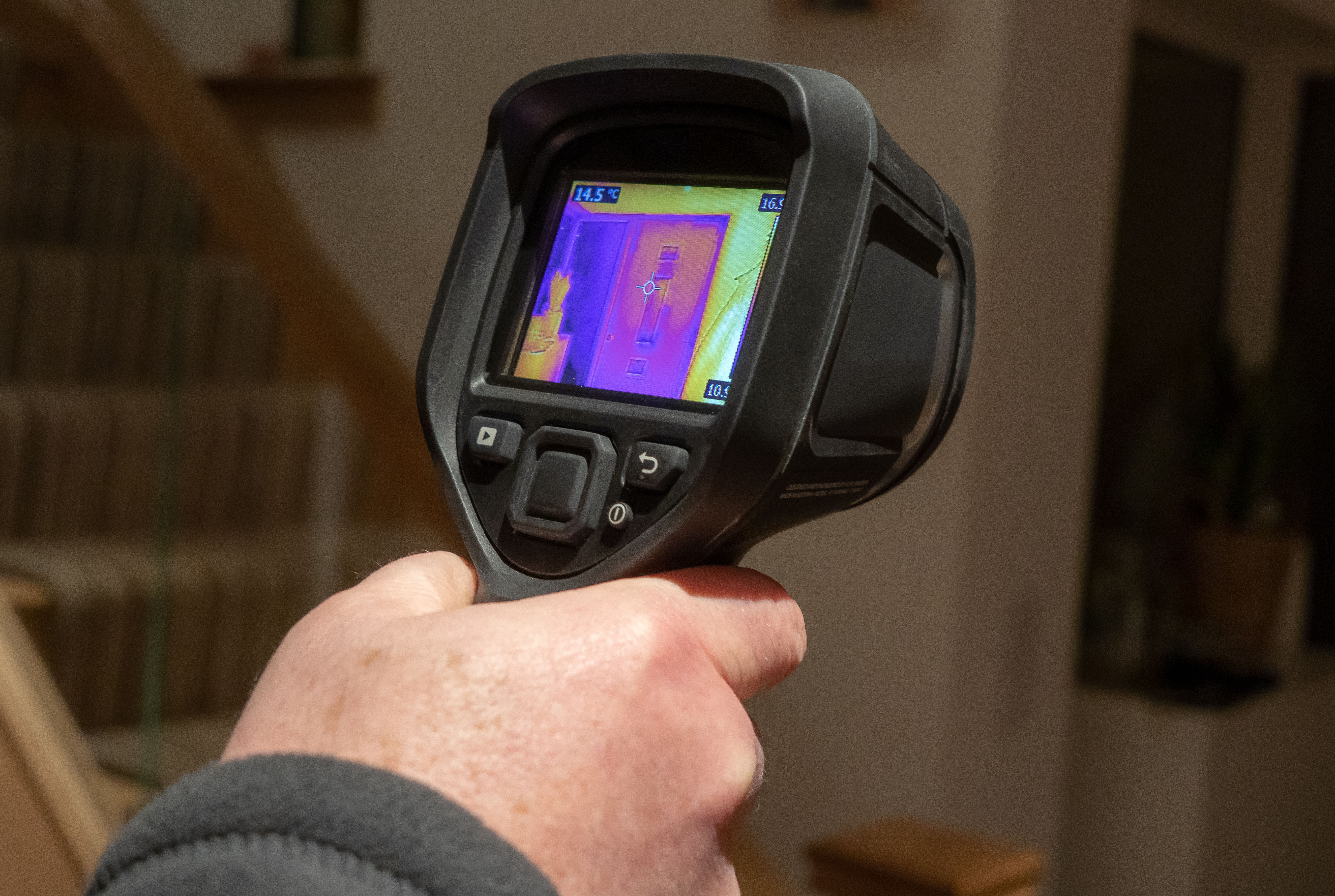
Home power is measured in kilowatt-hours, commonly expressed as kWh. The average home uses between 800 and 1,000 kWh per month. Peak usage (and highest bills) occurs in the middle of summer and the depths of winter. Keeping on top of your usage during these crucial months will lower your annual average usage considerably. 

The Washington, UT homeowners’ guide to energy efficiency auditing services

From average costs to expert advice, get all the answers you need to get your job done.