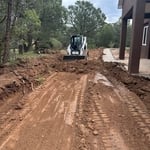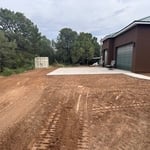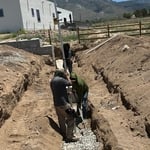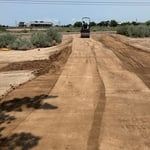


Top-rated excavation pros.

Get matched with top excavation pros in Tohajiilee, NM

Enter your zip and get matched with up to 5 pros

Need a pro for your excavation project in Tohajiilee, NM?

Select your specific project to find the pro for you.

Find Excavation pros in Tohajiilee

Avatar for Wright flow plumbing
Wright flow plumbing
4.8(
17
)

Serving Tohajiilee, NM and surrounding areas

Free estimates

Emergency services offered

Credit card accepted

"Wright Flow saved me thousands of dollars when multiple local big time companies wanted to over charge me and wanted me to replace thee entire unit with a long time frame for fix. Wright Flow came in, analyzed and fixed the issue less than a couple of hours compared to days/weeks on top of a low cost compared to other companies. Wright Flow knows the job at hand and does so with integrity. I would recommend Wright Flow if need be for others seeking the best customer service and reliability out there."
Additional Photos
Additional Photos
Additional Photos
Additional Photos
Additional Photos

+29

Recommended by100%of homeowners
Showing 1-10 of 12
Excavating questions, answered by experts

In the United States, a depth of 36 inches (three feet) for underground water lines is the accepted industry standard. This depth varies from location to location based on local conditions. In areas with colder winters, they may be buried deeper to prevent frozen well water pipes : This is usually at least six inches below the frost level. The International Plumbing Code calls for a minimum of 12 inches below grade.

Septic drain lines (or leach lines) are typically buried between 18 and 36 inches underground, and should be at least 6 inches below the surface. These pipes are perforated and surrounded by filtering materials like sand or gravel. Burying the lines at this depth helps minimize odors and allows bacteria and other biological processes in the soil to effectively treat the wastewater. Burying lines too close to the surface can cause issues unless the soil is very compact and stable.

Trenching and boring are two distinct methods for installing underground utilities. Trenching involves digging a channel using equipment like an excavator, trencher, backhoe, or shovel. While it is a simpler process, it causes significant disruption to the surface, landscaping, and surrounding ecosystems.

Boring, also known as directional boring, is a less invasive alternative that uses a drill to create a tunnel for utility lines without disturbing the surface. This method is more precise and is ideal for installations that need to go underneath buildings, roads, or bodies of water. Although boring is less disruptive, it is generally more expensive than trenching.

If you don’t wish to dig it out and convert it into a finished basement, you can still encapsulate your crawl space to protect it from damage for an average cost of $5,500. Finishing a crawl space beyond this isn’t really worthwhile, as the low ceilings mean you won’t be able to use the area as living space.

Tree experts don’t advise against digging through tree roots, but instead encourage caution and consultation with a local arborist to make sure you don’t damage the tree’s structure or interrupt its water or nutrient intake. An arborist can recommend specific practices when digging and help prune the roots or dig a trench for utilities with a tool that can remove soil without touching the tree’s roots.

The Tohajiilee, NM homeowners’ guide to excavation services

From average costs to expert advice, get all the answers you need to get your job done.

What do you need done? We’ll find top pros.
  • 🌱 "Mow a small front yard"
  • 🛠 "Fix a leaking pipe under the sink"
  • 🏠 "Repair shingles on an asphalt roof"