"the job was completed by 2 men but the fence & gate are not lined up straight; more of a zigzag & gate did not close properly so I had to have someone else redo the gate closure. They did not use a plumb line; just eyeballed it... Luckily it's in my backyard so not many people see it. At least they got the job done quickly right after I moved into my new home & needed a safe place to keep our dogs. "
With a strong commitment to customer service, superior product quality, and expert installation, we are proud to have helped more than 67,000 customers in New Mexico, Arizona, California, Colorado, Idaho and West Texas improve their homes. We stand behind our products and installation with one of the strongest lifetime warranties in the home remodeling industry. With easy financing options, we can make your home remodeling dreams a reality for little, or often no, up-front investment.
Concrete Resurfacing questions, answered by experts
While you don’t technically need to grind concrete before resurfacing, it is very helpful. Grinding creates a rough, porous surface on the concrete, which gives the resurfacing material something to latch onto. Grinding your concrete before resurfacing can ensure that your resurfacing material lasts longer, reducing additional concrete resurfacing costs down the line.
Whether resurfacing concrete is worth the cost depends on the condition of the underlying slab. Resurfacing can be a good option if the concrete is in decent condition with only minor issues like standard wear and tear, small cracks, chips, or discoloration. In these cases, resurfacing adds a protective layer that can extend the concrete's lifespan without the high cost of a full replacement.
However, if the concrete has significant damage—such as deep cracks, peeling, sinking, or is broken up—resurfacing may not be worth it. The new overlay is only as good as the concrete beneath it, and existing problems like peeling and cracks are likely to show through the new surface. In situations with severe damage, replacing the entire slab is often more cost-effective in the long run and will yield a better result.
To make the best decision, it's recommended to have a licensed concrete specialist inspect the damage and determine if resurfacing is the right choice for your situation.
Concrete contractors typically charge anywhere from $6 to $14 per square foot. Cost factors include job size, site prep, base material, accessibility, your location, concrete finish, and concrete thickness. Removal of existing concrete, asphalt, deck, pavers, and grass will cost anywhere from $1 to $6 per square foot. Homeowners can often save money by removing and disposing of existing pavers, decks, and grass. Breaking up and hauling away concrete and asphalt is difficult and time-consuming without the proper equipment and may be worth having the pros do that work.
Self-leveling concrete is the best option for your garage floor since it guarantees an even surface in the end. However, most garage floors weren’t made with self-leveling concrete. You don’t need to fully replace the garage floor to use self-leveling concrete. A quarter-to-half-inch of self-leveling concrete on top of your existing floor will be sufficient for a smooth and even finish.
While a contractor is on-site repairing your concrete steps, you can have them inspect other concrete surfaces for minor damage. They may be able to fix cracks in your driveway or garage floor during the same visit. You can also ask them to check your home's foundation for minor issues they can address. However, general concrete repair experts typically cannot handle larger jobs, like leveling a sunken foundation. For major structural projects, you will need to hire a structural engineer.
The Santa Rosa, NM homeowners’ guide to concrete resurfacing
From average costs to expert advice, get all the answers you need to get your job done.
Concrete is a durable material but needs maintenance every few years. Use this concrete resurfacing cost guide to get an idea of ongoing maintenance costs.
Need to know what pool resurfacing costs? Use this handy guide to get an accurate estimate for your project and see what factors can affect your total.
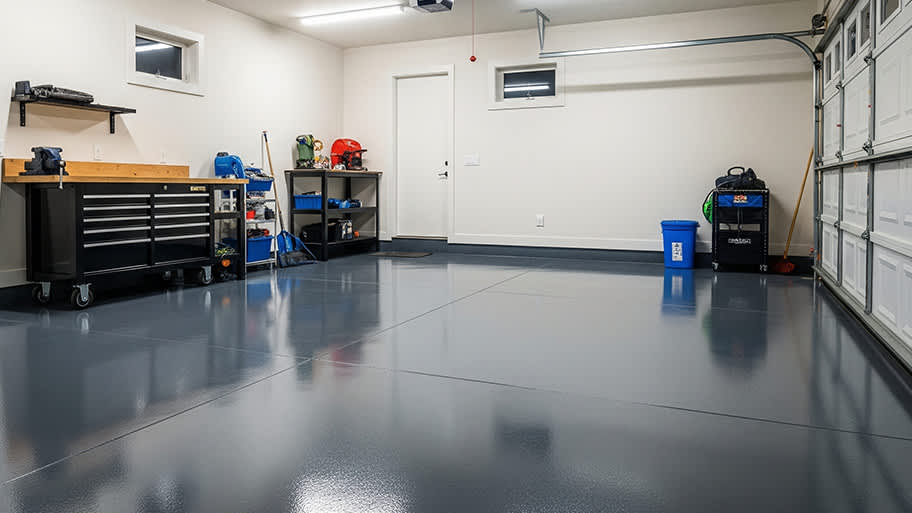
This guide breaks down the cost of installing epoxy flooring in your garage, basement, or other space. Costs depend on resin type, floor size, and more.
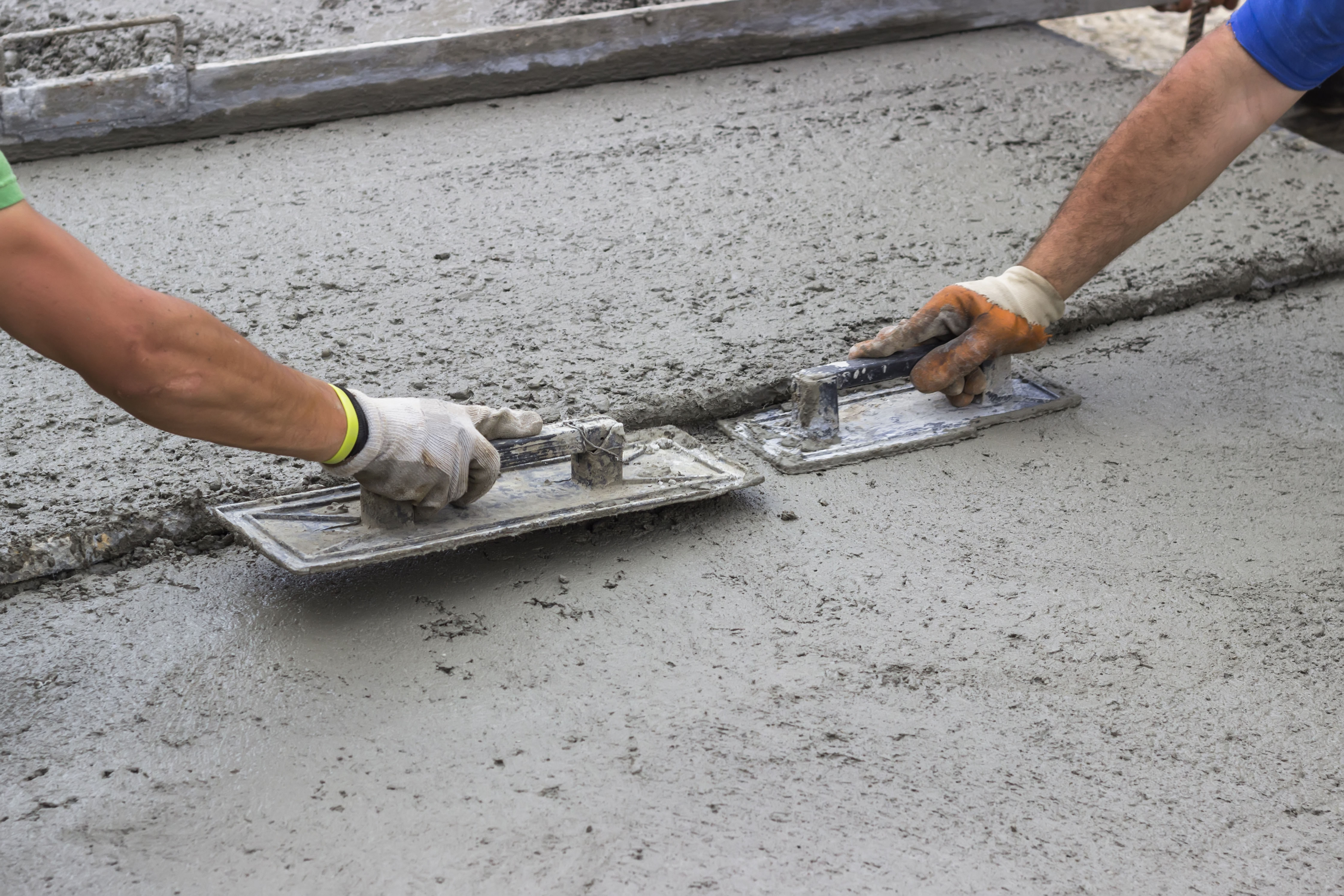
Concrete resurfacing is a much more affordable option than replacing a slab. Learn how long concrete resurfacing lasts and if it’s a better option for you.
Learn how to resurface concrete to breathe new life into your outdoor space, raise your property value, and improve your home’s curb appeal on a budget.
Your concrete floor should look good for years, but maybe you’ve noticed stains, imperfections, and discoloration popping up sooner. Luckily there are a few tips and tricks to bring your garage floor back to its original luster.