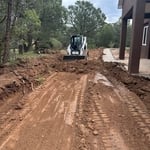
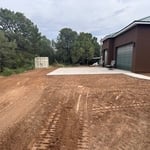
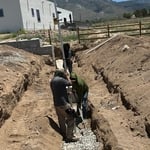
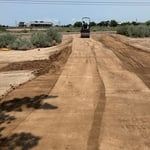
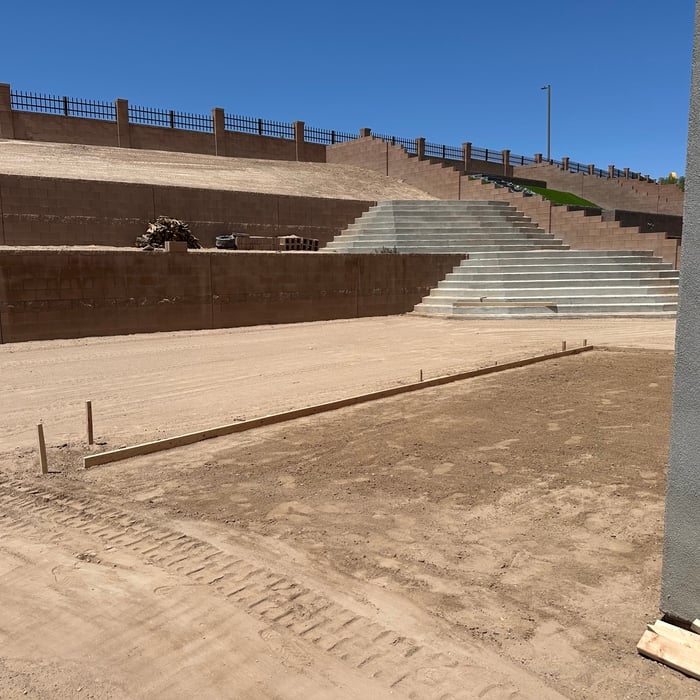
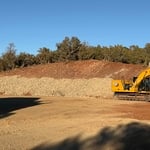
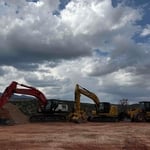
"Miguel performed the work and did a great job. He was extremely helpful in answering any questions and was a pleasure to have on site. I would defiantly use MD excavation in the future and would definitely use and refer Miguel to other clients. Thank you, Miguel!!"
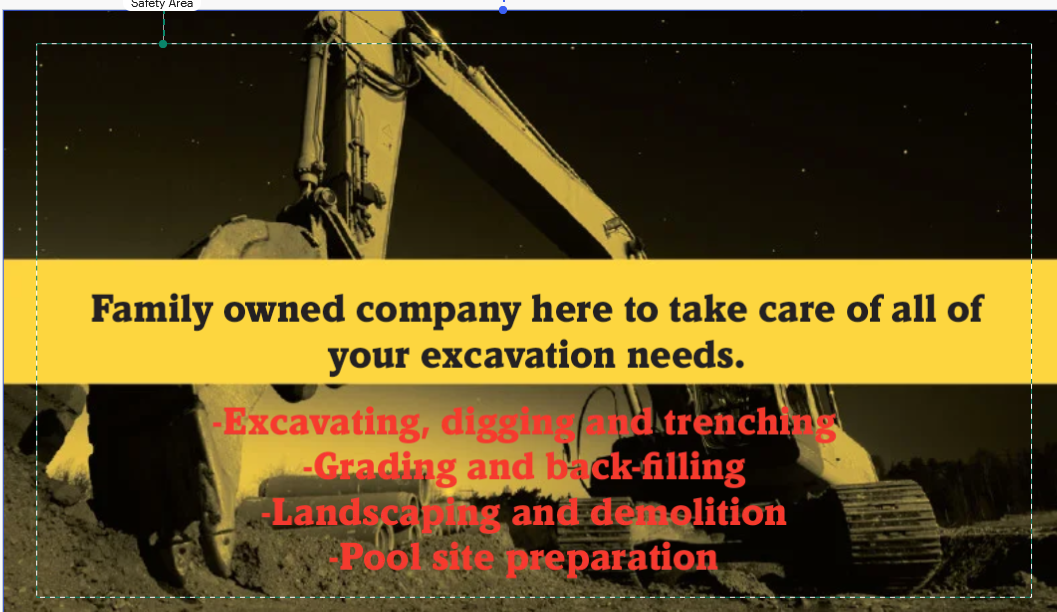
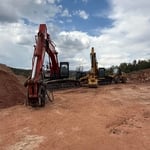
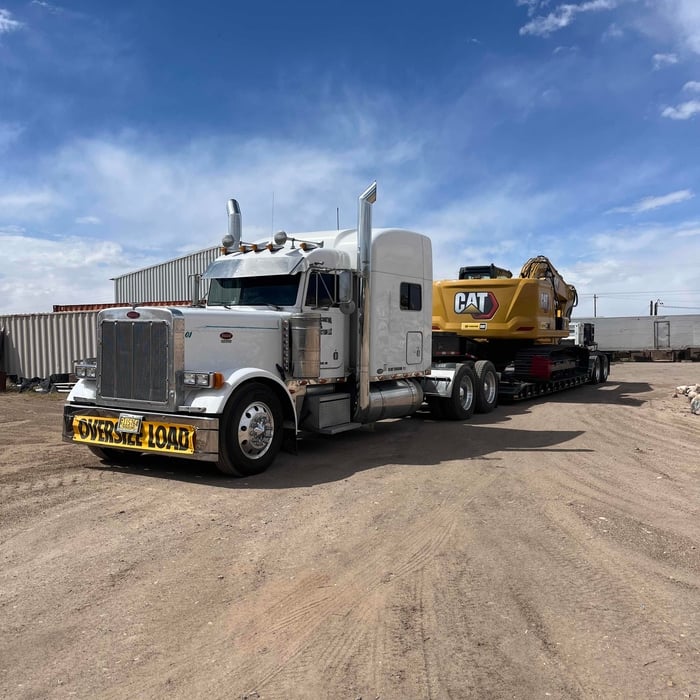
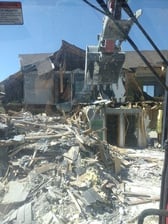
We are a family owned business and specialize in pad site preparation for new construction projects, earthwork and heavy equipment construction.demolition experience, ranch road development, culvert installation, rock breaking for new construction homesites and new home building experience, Trucking also available.!
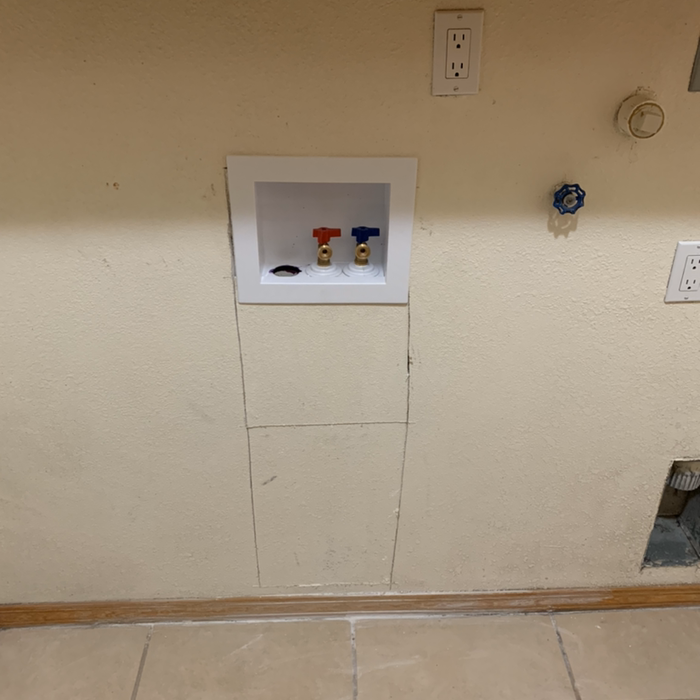
(Covid-19) we can Perform our work to keep us safe as a contractor and you as a customer with all our proper PPE WE MAKE PLUMBING REPAIRS SIMPLE HIRE OUR LOCAL PLUMBER IN EDGEWOOD, NM You probably roll your eyes when you realize you have a clogged drain or pipe. When that happens, turn to a reputable company to help you out. Wright Flow Plumbing and Heating LLC takes all the hassle out of plumbing repairs in Edgewood, NM. We can also take care of any HVAC issues. Our insured and bonded local plumber will assess your current system and make any necessary repairs. You can also turn to us if you need to replace outdated fixtures in your home. Contact our local plumber to get a free project estimate.\n
We are dedicated to providing our clients with the very best in excavation, building site clearing/preparation, and grading/resloping projects. With over 10 years of experience, we take an enormous amount of pride in the attention of detail put into each of the projects we are involved in. We are known for our quality work and the integrity of our business practices. We look forward to building long-term relationships with our clients and guarantee your satisfaction. Call us today for a quote!
With several years experience, we work hard to bring each customer the best possible service and quality available. We look forward to working with you on your next project. We welcome your questions and thank you for your interest.
Restoration Group, Inc., is your best choice in Albuquerque and the surrounding communities for all your excavation and dirt work needs! We pride ourselves in providing the highest quality finished projects for fair and reasonable prices! Our customer's complete satisfaction is our top priority!\n\nCall us today for a free estimate!\n
Dig-it Excavating where we get right down to it. Family owned and operated. We provide prompt, professional, reliable and friendly service. Attention to detail, customer service and customer satisfaction are our top priorities. Call to schedule you appointment today!
3rd Generation Excavation Services brings to all of its clients the very best in professional excavating and post-construction clean-up services. Every job � big and small � is done right every time.
Thanks for stopping by! We specialize in excavation - major grading or resloping. Our workmanship is top notch. We have served the area for years. Please call for a free estimate!
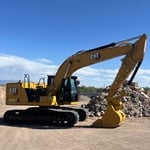
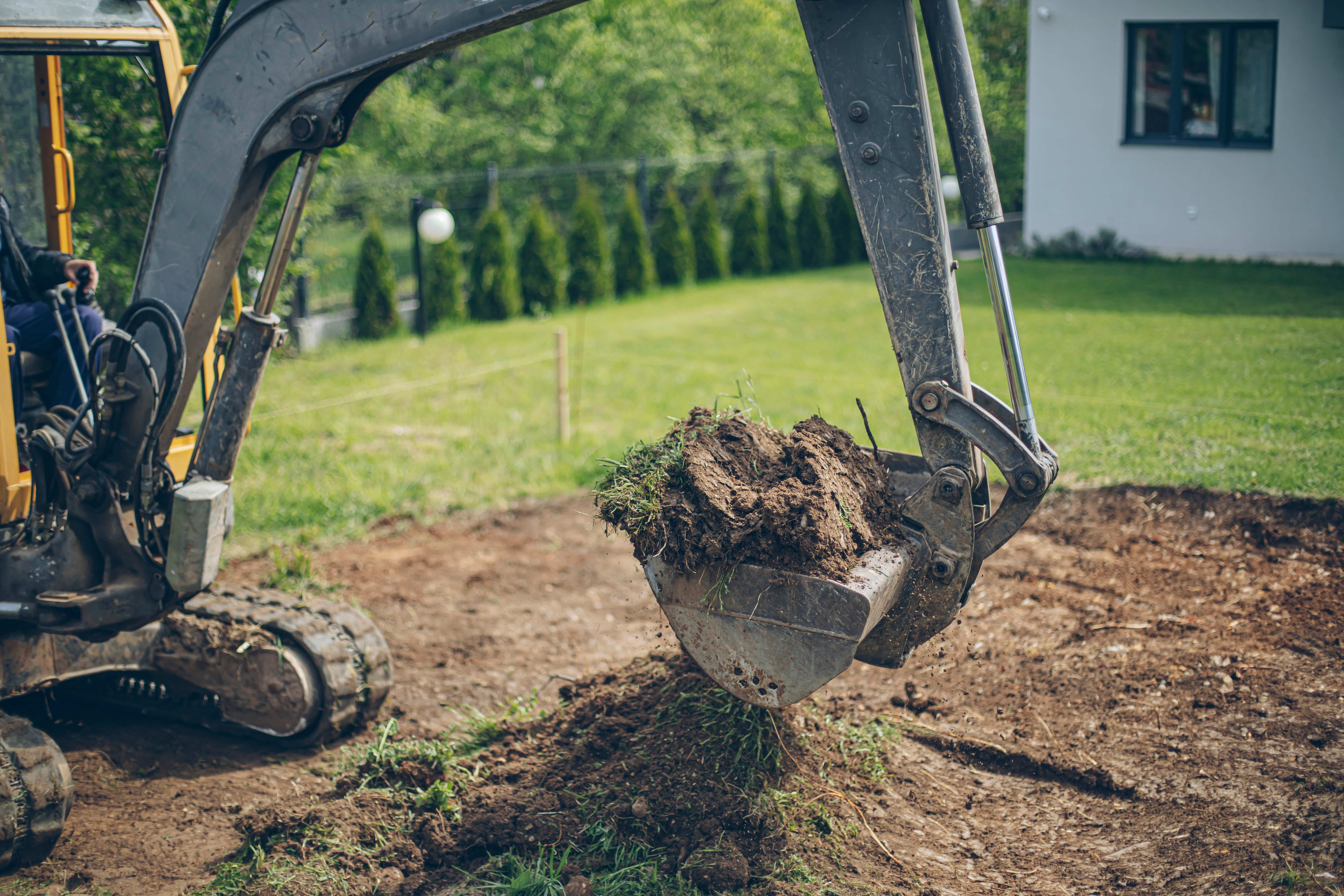
No job to Big or to Small \nGive Crespin's Site Services a call\nVolvo escavator with a blade and thumb, also a John Deere loader with bucket, grapplers & box blade available for your next project
The average cost for pool excavation is $2,500. This cost can range from $450 to $4,500, depending on the pool shape and size, time of year, and any need to move buried utilities.
When excavating for your pool, you might have to move existing utilities. You can expect to pay an additional $15 to $25per linear foot to move gas lines. To move a septic system, it’ll cost an additional $2,000 to $20,000. A pool that is 10 feet by 12 feet averages $450 to excavate, and a 20-foot-by-40-foot pool averages $3,020.
Trenchers can dig holes as narrow as 4 inches or as wide as 4 feet. Check the specifications of the trencher you rent or buy to determine how wide it will cut into the landscape. Better yet, let the excavation company know how wide you’d like the trench to be, and they can help you choose the right trencher for the job (or do it for you).
Landscape edging is more DIYable than trenching. You can DIY your own digging projects, but proceed carefully and only with proper knowledge of the equipment and appropriate safety measures in place. Keep in mind the project's scope and estimate how long it will take you to do it on your own. While you can certainly save money by DIYing home improvement projects, you can’t exactly hide an unfinished—or worse, ruined— landscaping job from the neighbors. It’s always safer to call an excavation pro near you to get an estimate.
A perc test can take anywhere from one to eight hours to complete. The total time depends on factors like the amount of excavation required, the depth and width of the holes, and whether multiple test holes are needed. For a single hole, the process of filling it with water and monitoring the drainage rate usually takes less than an hour. Professionals can often complete the entire test in a single day. While it's possible to get results the same day, some companies may take a few days to provide the official report.
Underground downspouts refer to the sections of downspout extensions that lead away from your home and gutter system. While they cost more than traditional extensions, they can provide several benefits, such as less frequent damage and no need to move them for lawn care tasks. Whether they're worth it or not depends on your budget at installation time and how much convenience they'll add to your situation.
The Mountainair, NM homeowners’ guide to excavation services
From average costs to expert advice, get all the answers you need to get your job done.
Excavation costs $1,500 to $6,300 for most residential projects—but it depends on factors like the size of the area. This guide will help you plan a budget.
You can't have an in-ground pool without digging into the ground. How much does pool excavation cost, and can you take it on yourself? Our guide explains.
Picking the right pro can make or break your project. Learn how to hire an excavation pro with the qualifications and skillset to do the job efficiently.