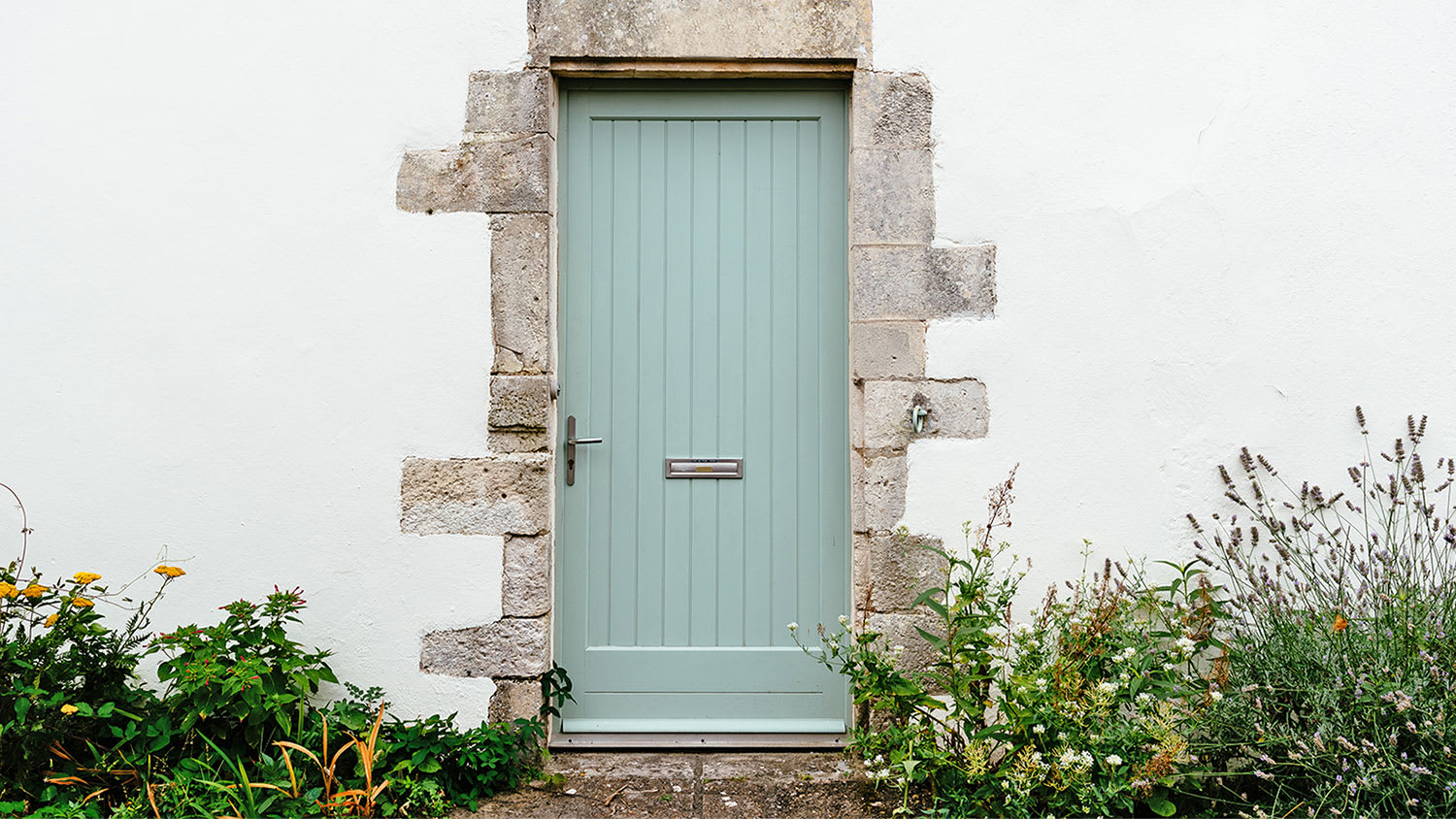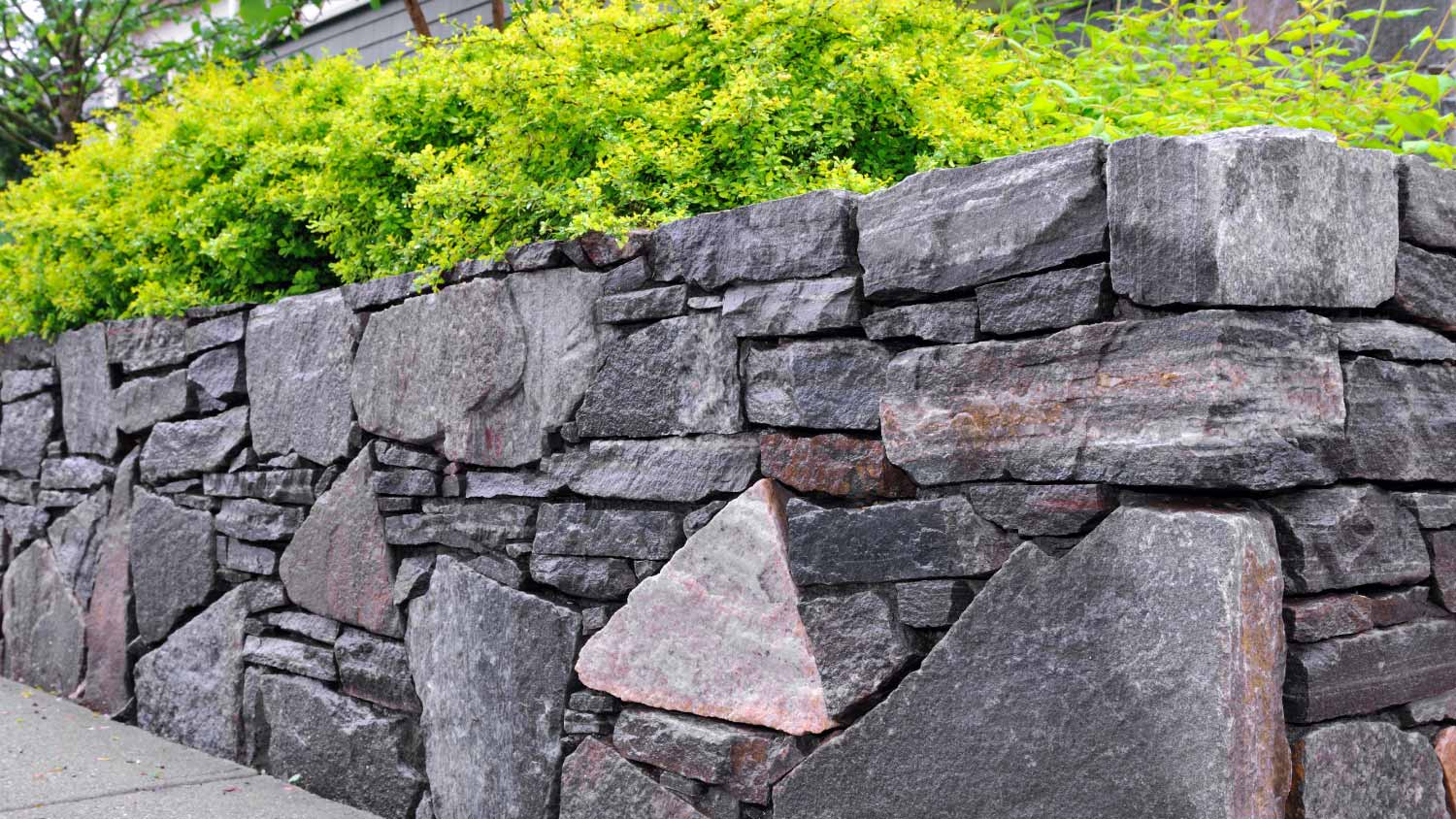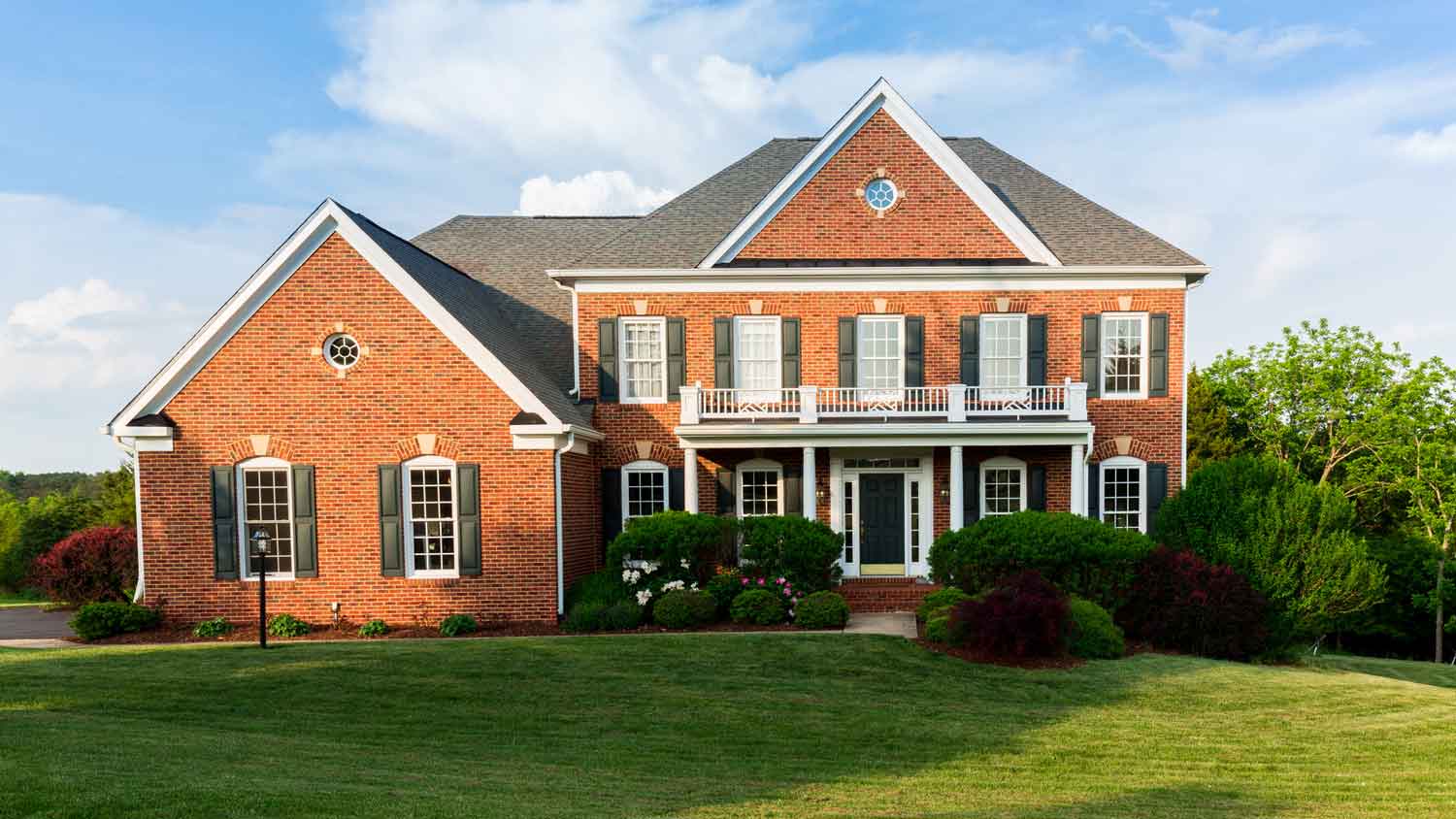









A mason lays brick or stone together, sometimes with mortar in between the bricks and stones, and sometimes without mortar, also called a dry-stack or surface bonding. Examples of work masons do include:
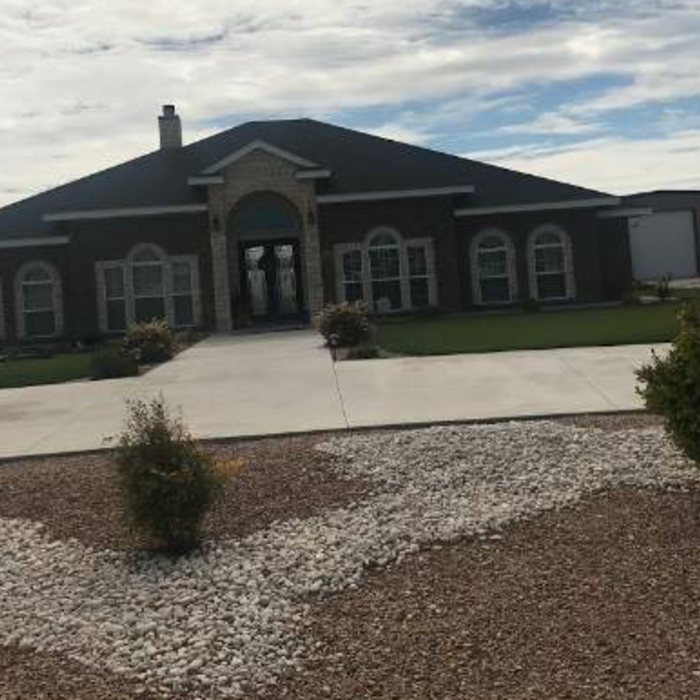
Brick, stone, or cement block houses and buildings
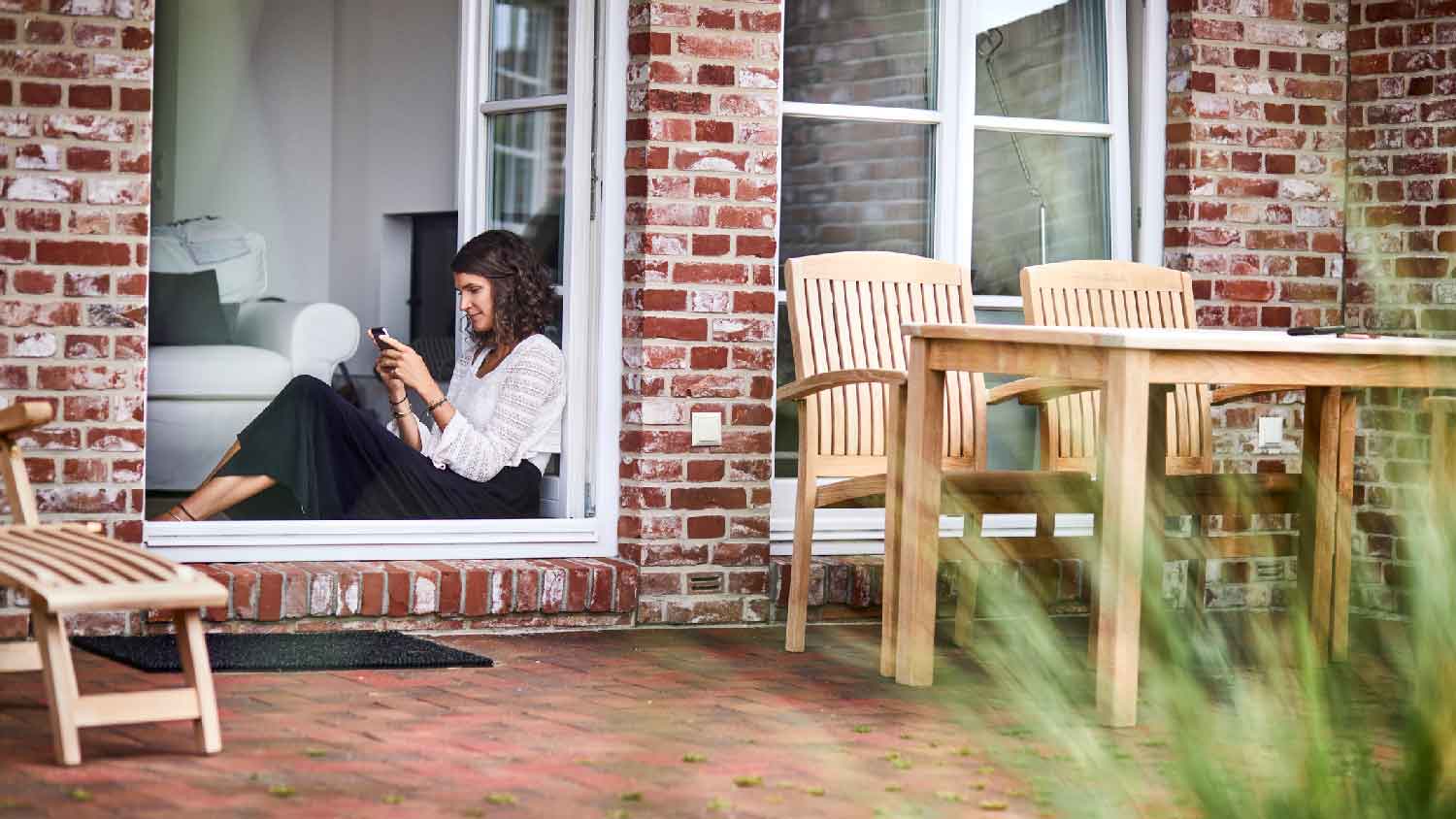
If your old bricks are in decent condition and you have the space to store them where they’ll be protected from the elements, keeping old bricks is often worthwhile. You’d spend anywhere from $70 to a few hundred dollars to have them removed from your property, in which case you won’t be able to use them for future projects. Holding on to old bricks in good condition means you can use them later for other DIY projects, potentially saving yourself some money on disposal and new materials down the road.
Always work with licensed and certified masons in your area when installing a stone wall or even a stone veneer. Just like all home designers, they should provide an impressive portfolio and offer a free estimate for the project. Pick the pro who fits your budget and schedule and, most importantly, helps you realize your landscape vision.
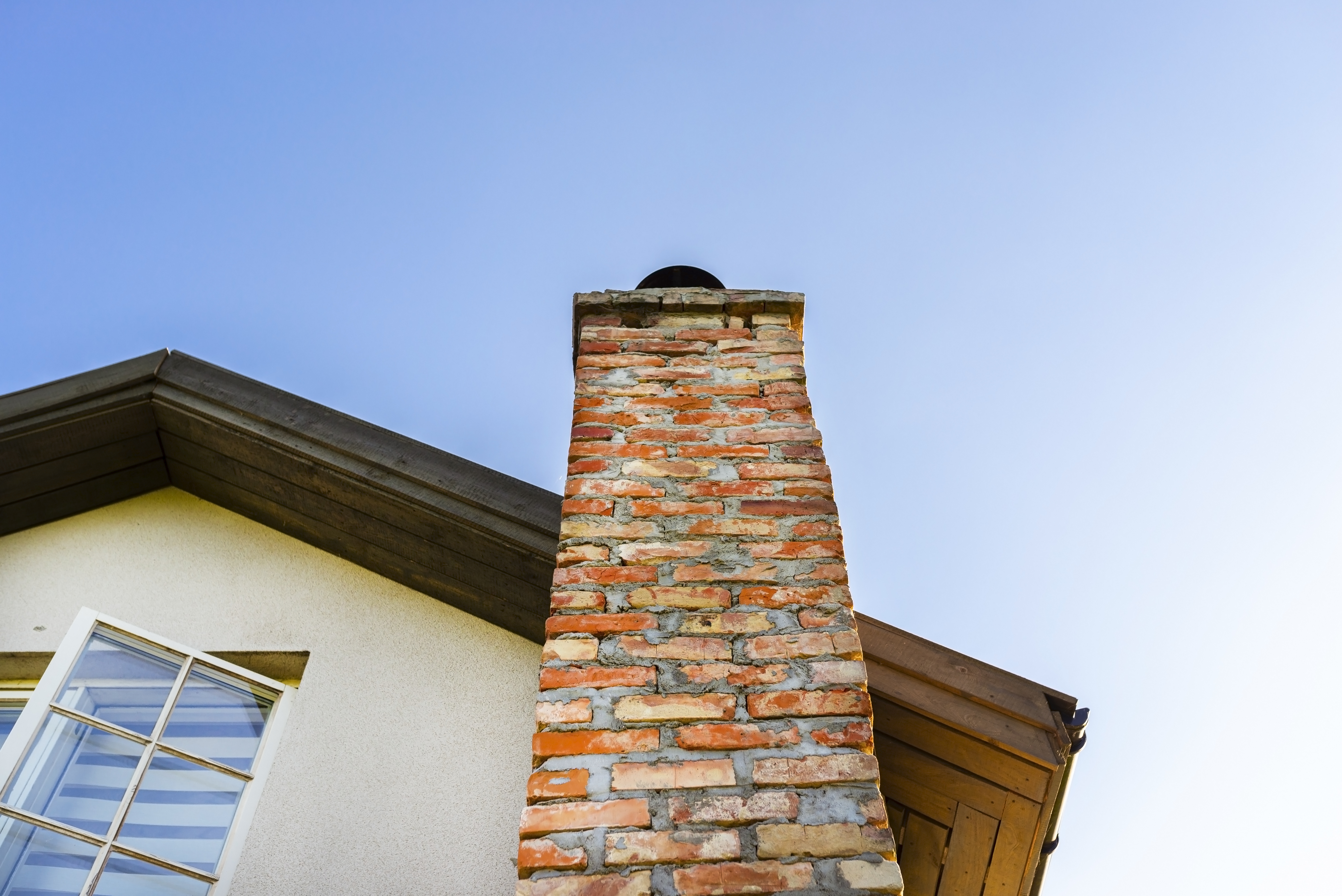
Discoloration ondifferent types of brick can range from harmless to red flag. For example, efflorescence that is caused by a buildup of water-soluble white salt is considered harmless. However, green or greenish-yellow stains are caused by salts that are harmful to brick. Staining can also be caused by rust, corrosion, lime run, soot, algae, or moss.
Masonry is an umbrella term that involves adhering individual building materials together using an adhesive, so many different things are considered masonry. These include constructing stone or brick walls or facades, installing stucco siding, installing backsplashes or tile floors, and even installing glass block windows, in some cases. Masonry materials include natural stone, clay bricks, concrete bricks, glass blocks, and tiles.