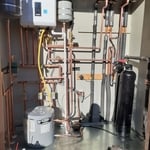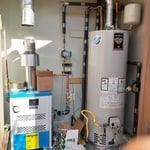






How do you set your well’s pressure tank? All you need to do is first drain the tank of water and find the pressure switch. Remove the switch cover and adjust the switch with a wrench—clockwise to increase water pressure, and counter-clockwise to reduce it. Each complete turn of the nut on the switch should equal 2.5 psi. Once this is done, replace the switch cover. All that’s left is to adjust the pressure of the tank itself using an air compressor and a tire gauge to support the new setting.
If your well pump is running continuously (meaning without turning off or stopping), it's a sign that your well pump is starting to break down. The length of time your well pump should cycle is dependent on many factors, like the tank size, pressure setting, and even the amount of water in your well. Generally, your well pump should cycle, or go from running to not running every few minutes.
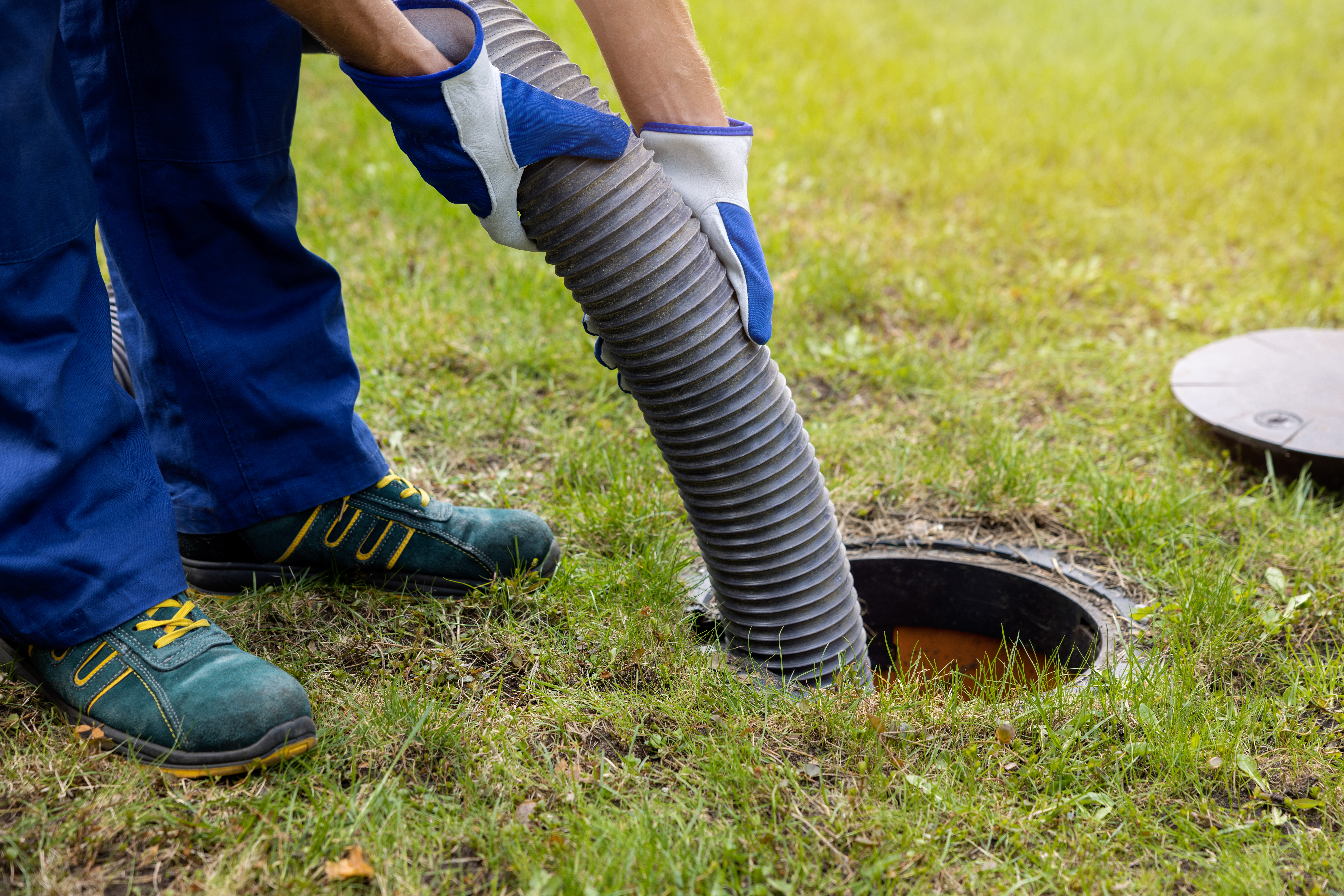
The best times of year to pump or empty a septic tank are spring and fall. Many professionals recommend spring because the ground has thawed, making the tank easier to access, and any snowmelt or rainfall can aid in proper drainage. Pumping before summer is also ideal to avoid conflicts with vacations or outdoor gatherings.
Fall is another great option, as contractors may be less busy than in the spring. Servicing the tank in late fall or early spring can also reduce the risk of overflow from extra precipitation during winter and spring.
While summer is a possibility, winter is generally not recommended. The ground is often frozen, which can make it difficult to access the tank, and the waste inside may also be frozen.
A septic alarm can sound different depending on your system, but often, it’s a loud, repetitive beeping noise or a steady, high-pitched noise. It may also be a loud buzzing noise. To confirm the noise is your septic alarm, check your alarm box for a red light. You can also silence your alarm with a red button or switch on the box. Look for something that says “Test” or “Mute.”
While a traditional septic tank requires a leach field for wastewater disposal, it is possible to have a septic system without one. Some alternative systems, which are often used when there isn't enough space for a full-size leach field, include mound systems or sand filtration systems. In a conventional setup, the leach field is essential because it's where the wastewater goes after leaving the tank.
The Embudo, NM homeowners’ guide to septic tank services
From average costs to expert advice, get all the answers you need to get your job done.
Replacing a drain field requires digging up quite a bit of land and involves a decent amount of testing. Using this guide, you’ll learn how much it costs to replace a drain field based on a few key factors such as size and type of septic system.
Caring for your septic system is crucial to ensuring its long life. But how much does it cost to pump a septic tank? We explore the different cost factors.
Septic tank risers make it easy to access your septic tank when it’s time for routine inspection, maintenance, and pumping, saving you precious time and labor costs.
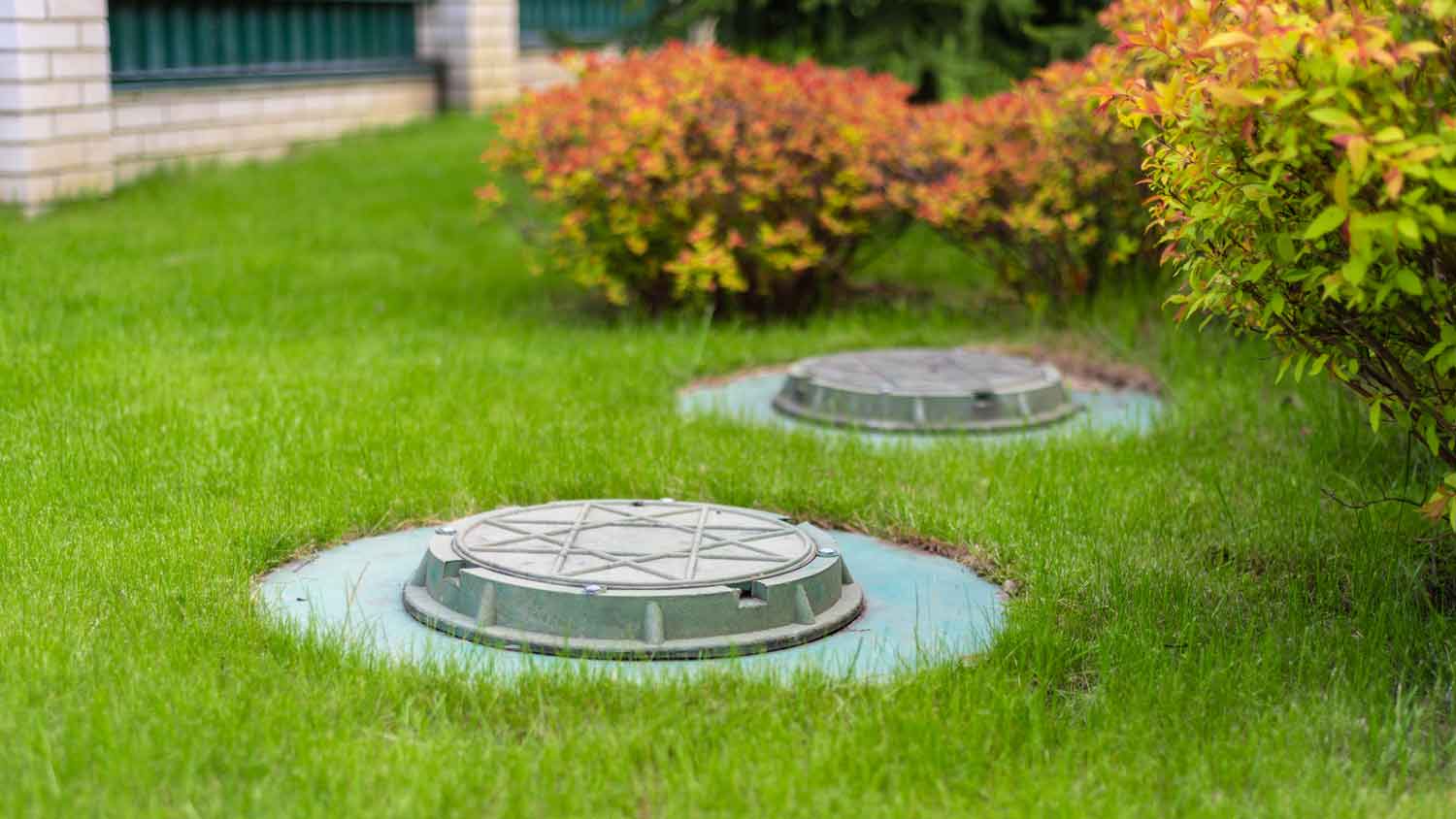
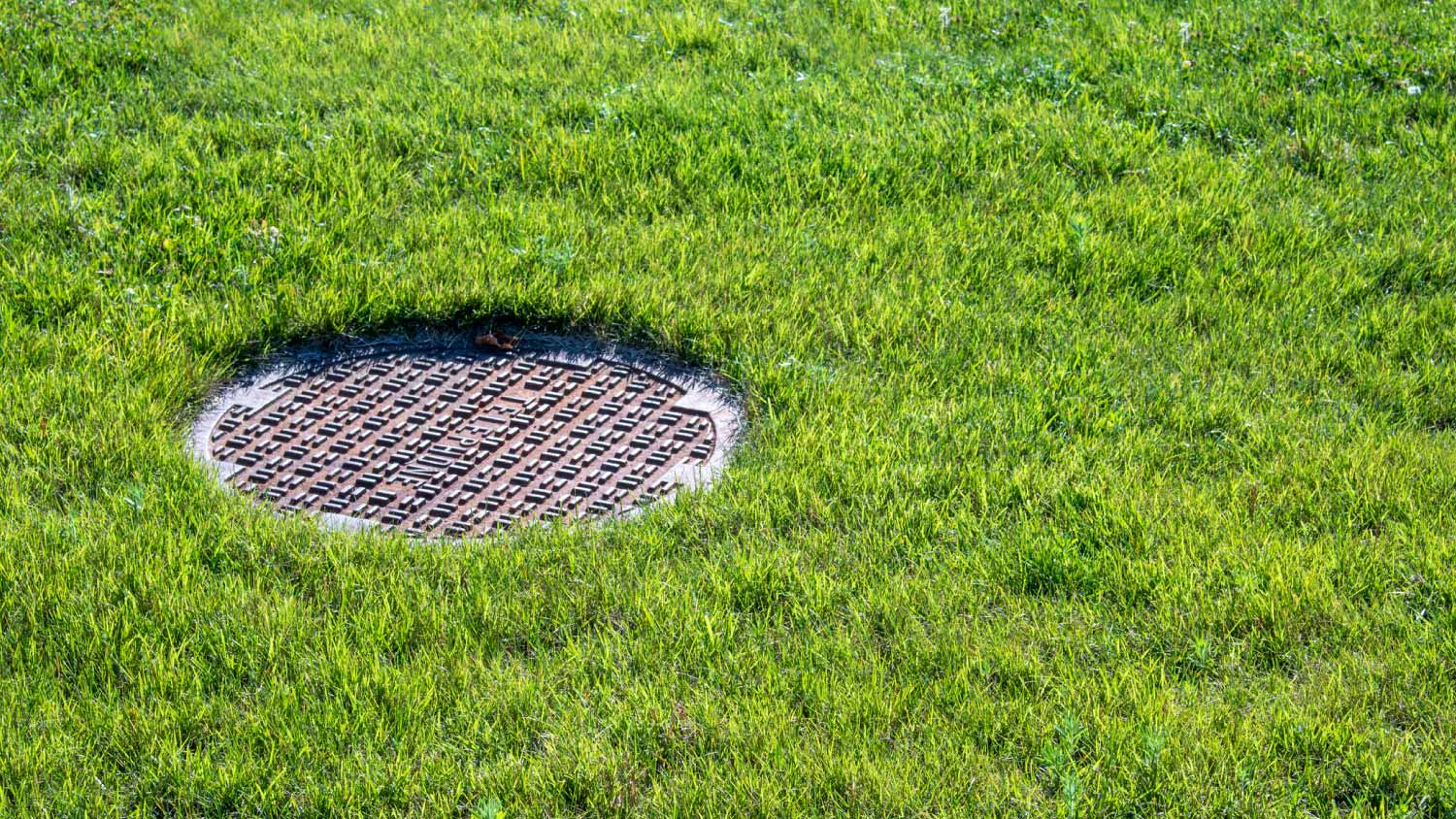
Knowing your septic tank’s location can help you prepare for maintenance, renovations, and more. For tips on how to find a septic tank, check out this guide.