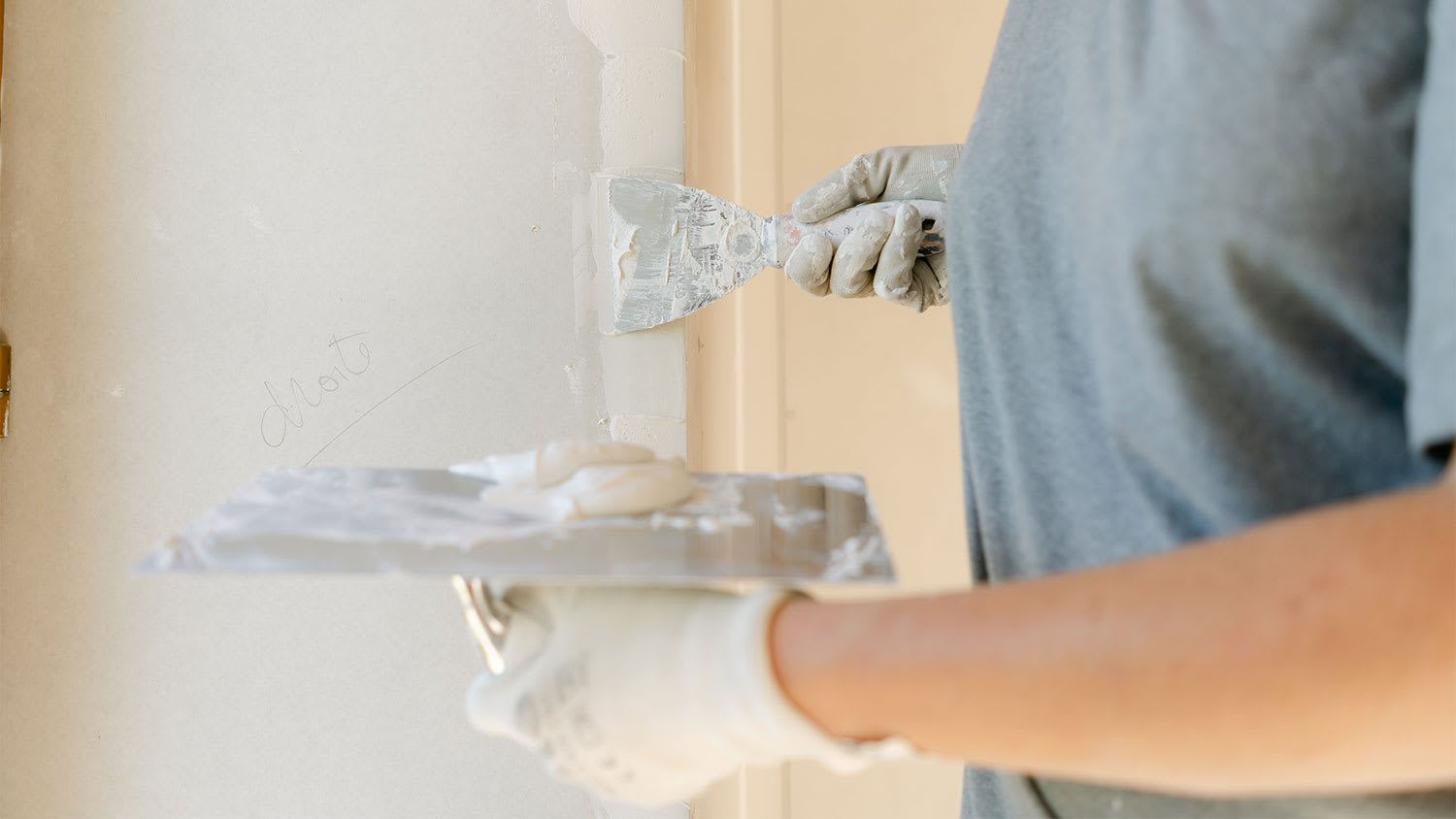
"Mike Sauer and his crew did a great job. They not only repaired plaster but also removed fixtures (like tv brackets) and repaired the plaster after removal. Mike went the extra mile by painting after plastering, getting someone in to repair some grout and also remembered to install a door stop. He and his crew were organized and easy to work with and finished in a very timely manner. They also were very careful with our wooden floors that had just been refinished. I wish everyone I hired to do work in our home was this responsible. I highly recommend Mike and his crew."
"The crew showed up every morning on time. They patched/drywalled and textured numerous small areas. The texturing was so good, that it is almost impossible to detect where the repairs where made. They also framed, drywalled and textured the kitchen area for recessed lighting installation. They repaired an area where there was a shower leak. They replaced the drywall and textured an area where a closet had been removed. On every part of the project, they exhibited superior workmanship. And at the end of every day, they cleaned up after themselves. Hire them again? Definitely yes! "
"Ruele did a terrific job replacing the stucco on our home and our casita. Their crew is great - very professional, competent, friendly and considerate. I really appreciated the thorough and careful way they approached their work and their attention to detail. I would highly recommend Ruele."
"Bill did an excellent job of filling, sanding, and painting the columns, vigas, and latillas. For the wood under the portal where we wanted to maintain stain, he did a beautiful job of matching the wood and making the filled areas look natural. He also painted our ductwork and other metal components to color match the stucco, repairing the stucco in a few places along the way. Bill is extremely reliable, meticulous in his cleanup, and fairly priced. Our next door neighbors saw Bill's work and hired him for their project."
"I made the appointment to redeem my Big Deal with no problem. Even so, no one showed up at the appointed time. A half hour after the service provider was to arrive, I called the owner, Michael Ortiz, who apologized and got off the phone to call his crew. He called me back in a few minutes, and said that he would personally come over and do the job himself. He arrived promptly 20 minutes later and swiftly and expertly completed my drywall repair job. He was very professional and courteous. I will use hime again. "
Lannick Construction was started in 2009 by Ted Hedgecock. Ted has many years of experience in all types of construction. He has a great passion for his work and will always make sure it is completed to the customers liking. Please give us a call or message us. We would love to meet with you to see if we can help make your vision for your home or business a reality. Look forward to hearing from you and having the opportunity to work together. \n\n
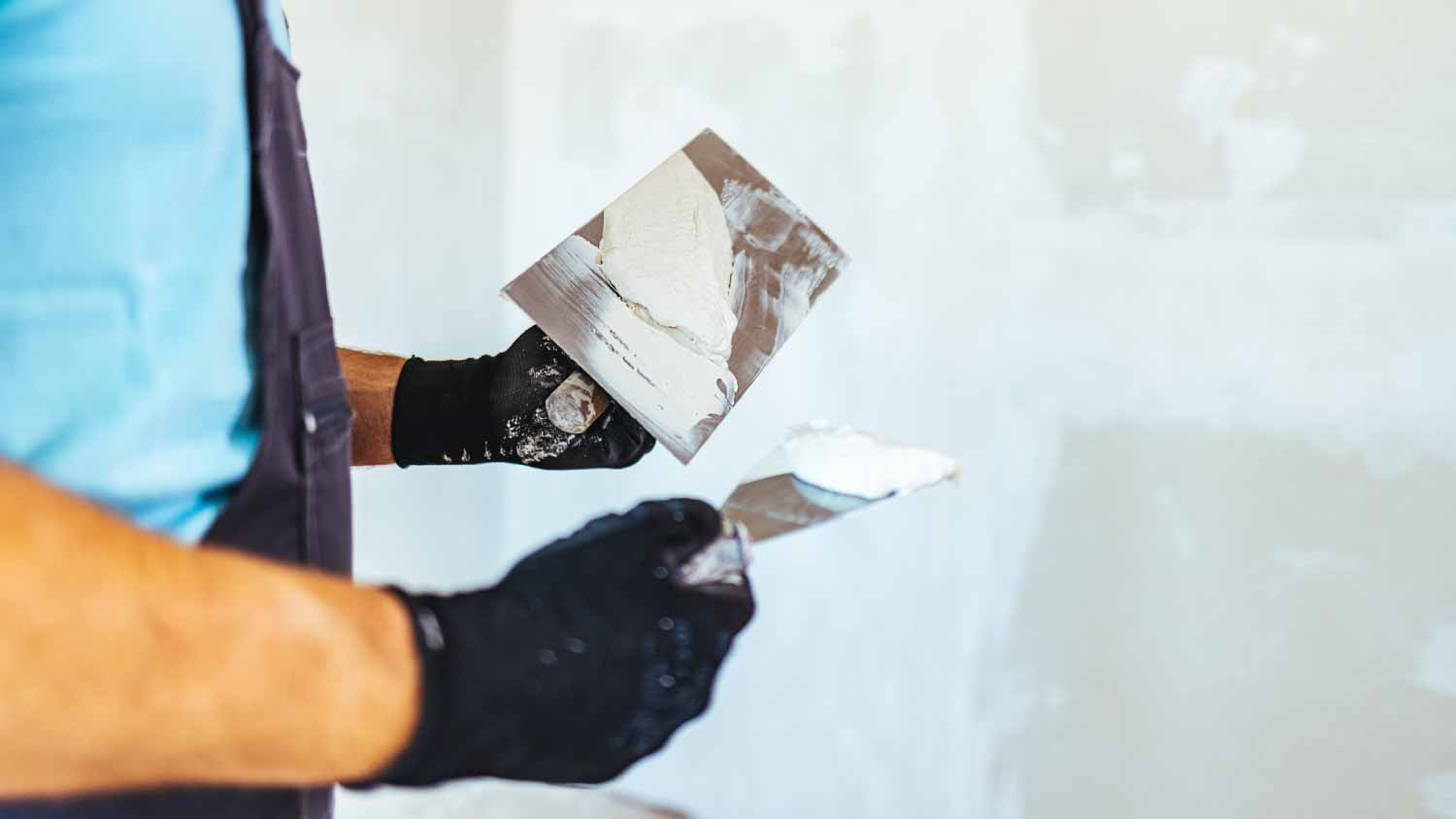
Only use spackle on plaster walls when the imperfection is small. It’s best used for nail holes or small dings in the plaster. Spackle dries quickly, allowing you to continue the repair process shortly after using it. Plaster can be tricky to repair, though, so if you run into issues, call a pro so that you don’t risk further damage.
The tool you use to sand plaster will depend on the size of the project. If you’re just working on a small section of your wall to get rid of an uneven spot on the surface, hand-sanding might work. However, for larger projects, a drywall sander can make a huge difference when it comes to both time and elbow grease—and an orbital sander can help for detailed areas such as around ceiling fans.
There are several warning signs that a ceiling crack is connected to a larger issue. For starters, if the crack is wider than 1/8 inch or longer than 12 inches, you might have a more serious problem. The same applies if you have multiple smaller cracks or cracks going across the ceiling and down the wall. In any of these situations, you should ask a professional to assess the damage.
Plaster provides a durable, soundproof, and moisture-resistant finish compared to drywall.
Although they are used for similar tasks, spackle and joint compound are not the same. Joint compound, also known as drywall mud, consists of limestone and gypsum and is primarily used for large-scale projects like taping and finishing seams on new drywall. Spackle is composed of gypsum and binding agents, making it a thicker compound best suited for small wall repairs like filling nail holes or cracks, as it dries quickly and is easy to sand. For small repairs, either product can be suitable. However, you can use joint compound for small jobs in place of spackle, but you cannot use spackle for large-scale taping and mudding projects.
The Columbus, NM homeowners’ guide to plaster repairs
From average costs to expert advice, get all the answers you need to get your job done.
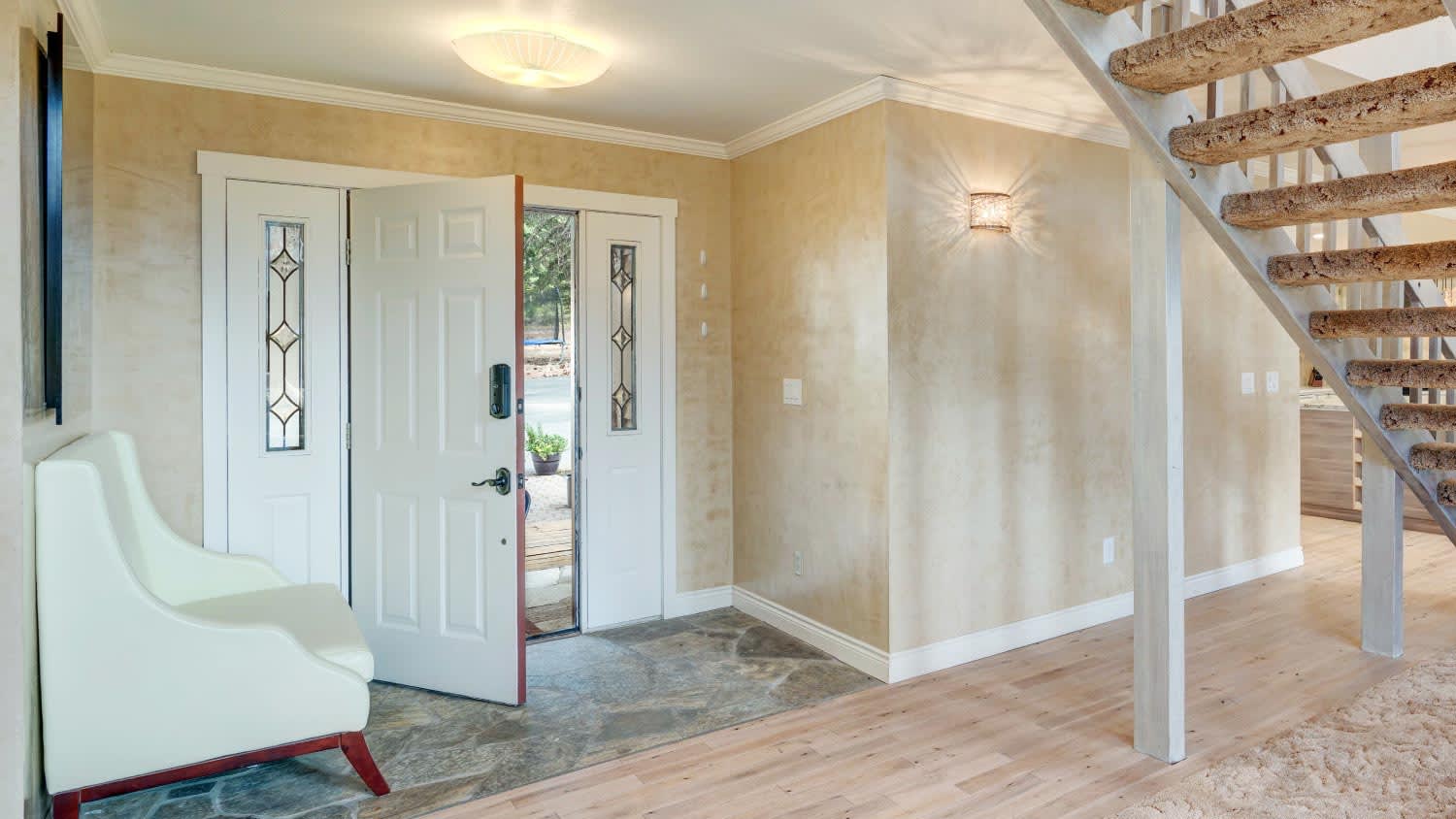
Venetian plaster can add depth and texture to your aesthetic. Learn how much Venetian plaster costs based on factors like square footage and whether you hire a pro to help.
You can find plaster walls in a lot of older homes. What’s behind these walls—whether that’s lath or calcimine—can have an impact on how long they last. Finding out the age of your house can help you determine what you’re dealing with.