





When your septic system is failing, you’ll probably smell it. Common signs of a septic system failure include sewage odors in the home or around the yard, flooding in the yard above the septic tank or in the leach field, and wastewater or even raw sewage backing up into your home’s drains.
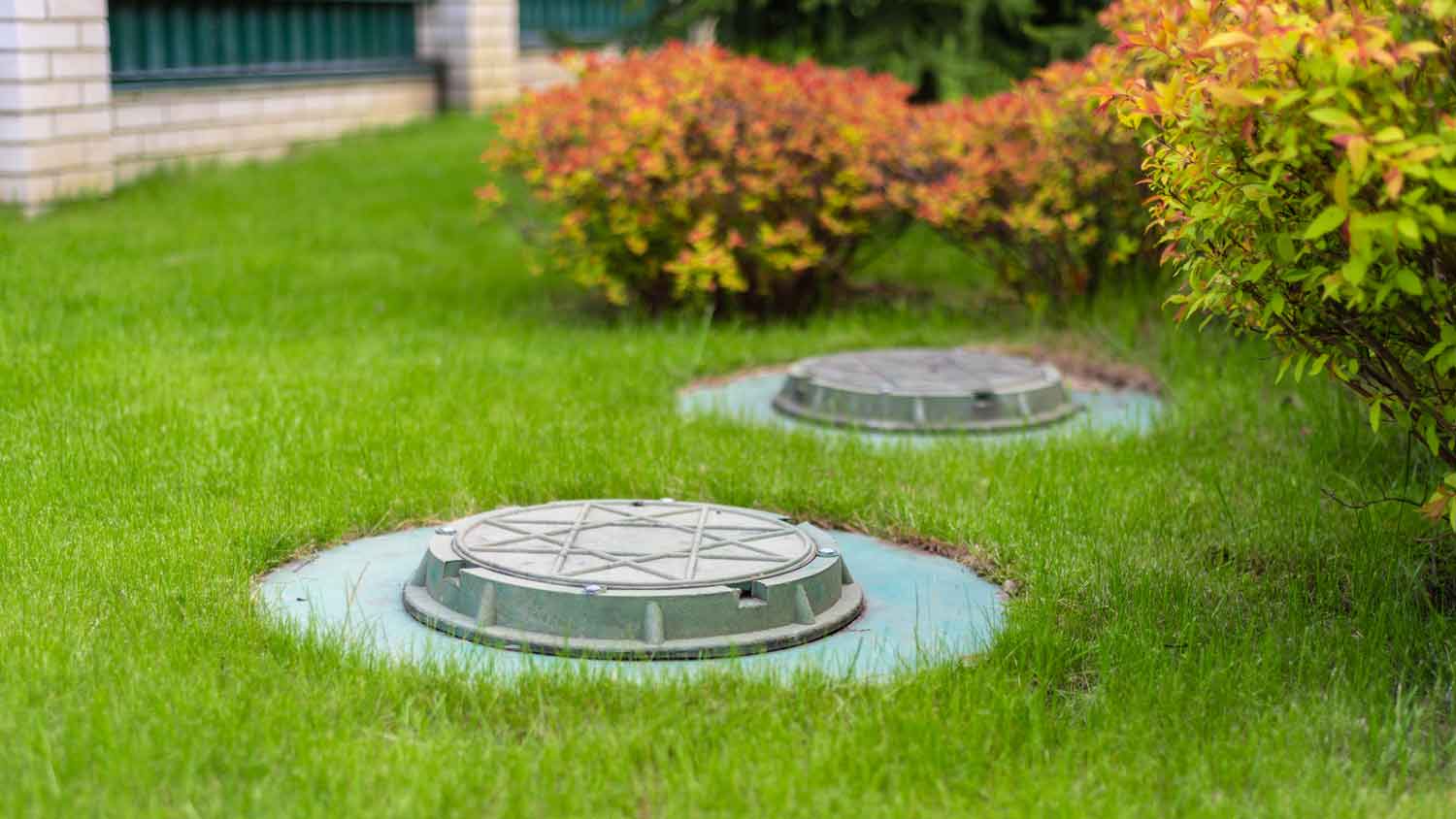
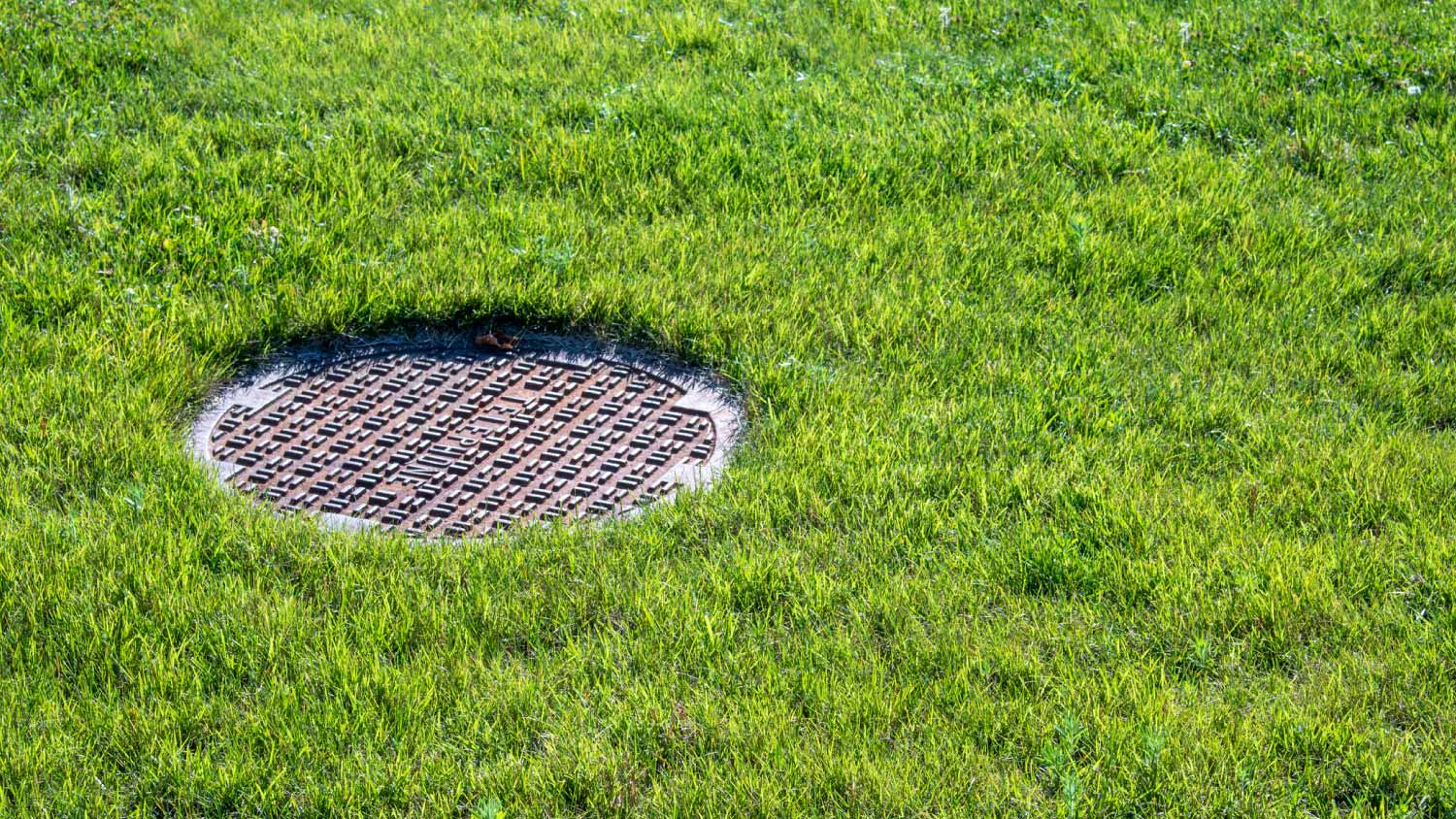
There is no standard depth for burying a septic tank; they are typically buried anywhere from 4 inches to 4 feet underground. The final depth depends on several factors, including the depth of your main sewer line, the height of the bedrock, soil type, local regulations, and the property's landscape. If you plan to grow grass or plants over the tank, a depth of at least 4 to 6 inches is recommended. Deeper tanks can be more difficult to locate, but a septic professional can help find it for you.
The pressure in a well pressure tank should be set 2 to 3 PSI below the pump's cut-on pressure. The cut-on pressure is the lower number in the pressure setting (e.g., the '30' in 30/50 PSI) and is the point at which the pump starts. The cut-out pressure is the higher number, where the pump stops.
For example:
If your pressure switch is set to 30/50 PSI, the tank pressure should be 27-28 PSI.
If your pressure switch is set to 40/60 PSI, the tank pressure should be 38 PSI.
Common pressure settings for household applications include 20/40, 30/50, and 40/60 PSI. The difference between the cut-on and cut-out pressure is typically 20 PSI.
With regular testing, treatment, and maintenance, water from a community well should be safe to drink. Unfortunately, the EPA does not regulate private wells, and contamination can happen.
If you have doubts about the quality and safety of your drinking water, you have options for testing. You can pick up kits from your local home supply store or harvest samples and send them to a local testing facility. To get the most complete water quality testing and system diagnosis, seek a local well professional. They know what to test for and can recommend and implement a longer-lasting solution.
While a traditional septic tank requires a leach field for wastewater disposal, it is possible to have a septic system without one. Some alternative systems, which are often used when there isn't enough space for a full-size leach field, include mound systems or sand filtration systems. In a conventional setup, the leach field is essential because it's where the wastewater goes after leaving the tank.
The Colfax County, NM homeowners’ guide to septic tank services
From average costs to expert advice, get all the answers you need to get your job done.
A damaged septic system can leak odors and sewage, so repairs are urgent. Find out how much septic tank repair costs based on repair type, tank size, and more.
Caring for your septic system is crucial to ensuring its long life. But how much does it cost to pump a septic tank? We explore the different cost factors.
If you’re on a septic system but don’t have much space, you might be curious: Can you have a septic tank without a leach field? Find out in this guide.