



Top-rated retaining wall installation pros.

Best retaining wall installation pros near Angel Fire, NM

Enter your zip and get matched with up to 5 pros

Need a pro for your retaining wall installation project in Angel Fire, NM?

Select your specific project to find the pro for you.

TRUSTED BY ANGEL FIRE, NM HOMEOWNERS

  • Average homeowner rating star icon4.5
    Average homeowner rating
  • Verified reviews icon11
    Verified retaining wall installation services reviews

Top-Rated Retaining wall installation pros in Angel Fire - Updated Nov 2026

Retaining Wall Installers FAQs, answered by experts

Generally, a railroad tie retaining wall consisting of a single line of ties should be between 3 and 4 feet tall—and the height often tops out at around 6 feet. You can go taller, but you may need additional footings and reinforcements, including a second layer of railroad ties to support the added weight of the soil it’s holding back.

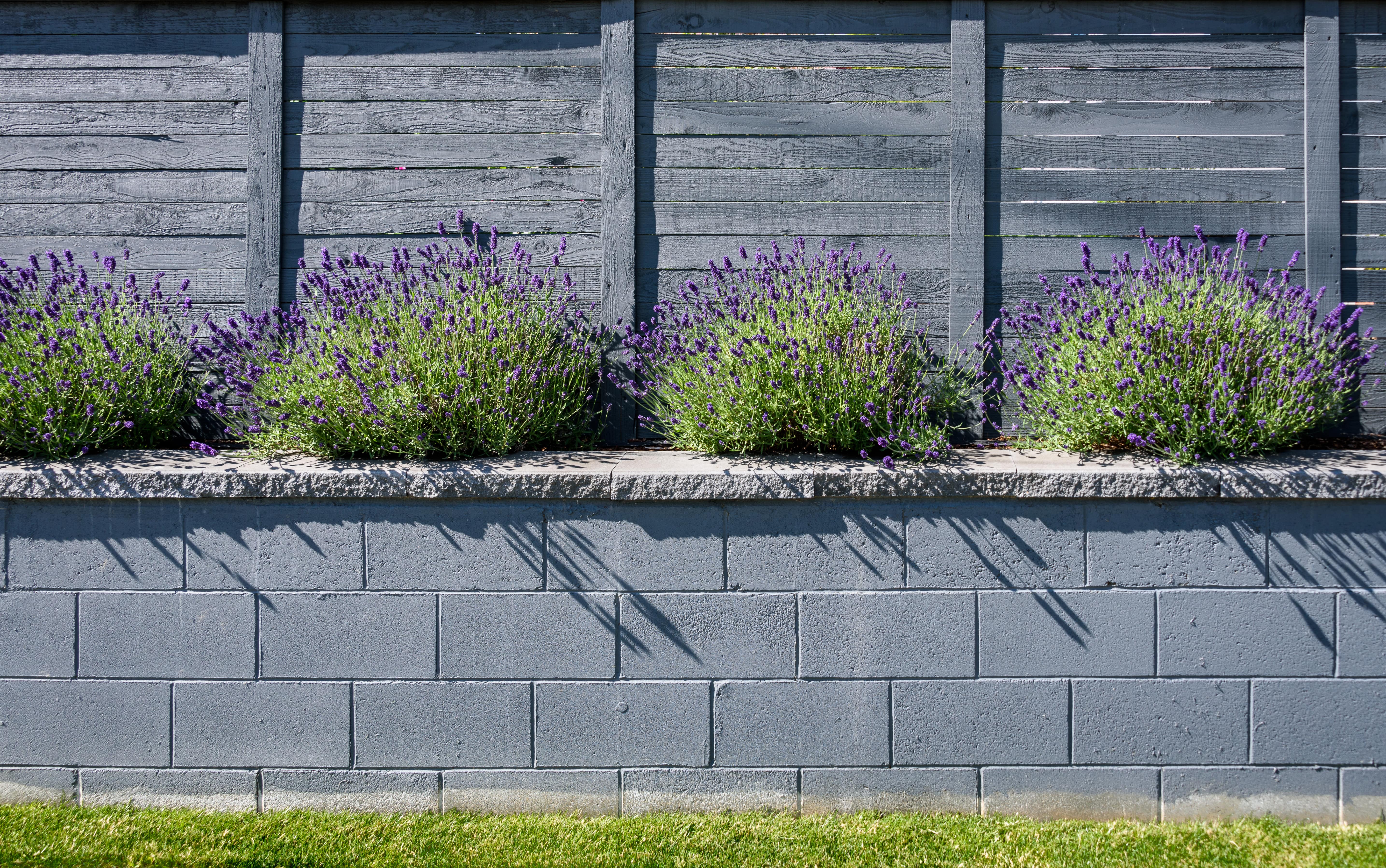
Yes, you can use cinder blocks for many purposes, including retaining walls, foundations, garage walls, and fences. Building a cinder block retaining wall costs between $60 and $200 per linear foot, including materials and professional labor. For a 30-foot-long retaining wall, the cost ranges from $1,800 to $6,000.

The longevity of flood walls depends on how they were constructed, but most wood, gravel, and cement flood walls last 10 years. While aluminum flood walls may cost far more initially, they can be a good investment as they can last decades and will not be damaged by exposure to the elements.

Most railroad tie retaining walls have a life span of 20 to 30 years, though you may need to replace your wall sooner if it’s repeatedly exposed to heavy rain, runoff, and excess moisture. Railroad ties are typically treated with creosote, which makes them much more durable than untreated wood. Though they last longer, they don’t last forever. For the most longevity, make sure your retaining wall has a sturdy base and steel reinforcements. You should also install drainage to direct water away from the wall.

Failure to compact the soil during construction is the most common cause of leaning retaining walls. In addition, poor drainage can lead to excessive water pressure behind a retaining wall, pushing against it until it begins to move forward away from the soil it is holding back.

The Angel Fire, NM homeowners’ guide to retaining wall installation services

From average costs to expert advice, get all the answers you need to get your job done.