





CSZ Construction
Handyman for Multiple Small Projects
Serving Wayne, NJ and surrounding areas
Approved
In business since 1998
Free estimates
Emergency services offered
"Best home Improvement service I ever use"

+168
Recommended by93%of homeowners

 4.4
4.4  338
338 *The Angi rating for Fire Pit Installation companies in Wayne, NJ is a rating based on verified reviews from our community of homeowners who have used these pros to meet their Fire Pit Installation needs.
*The HomeAdvisor rating for Fire Pit Installation companies in Wayne, NJ is a rating based on verified reviews from our community of homeowners who have used these pros to meet their Fire Pit Installation needs.
Last update on December 31, 2025
Serving Wayne, NJ and surrounding areas
Approved
In business since 1998
Free estimates
Emergency services offered
"Best home Improvement service I ever use"
+168
Serving Wayne, NJ and surrounding areas
Approved
In business since 1988
Free estimates
Emergency services offered
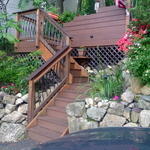
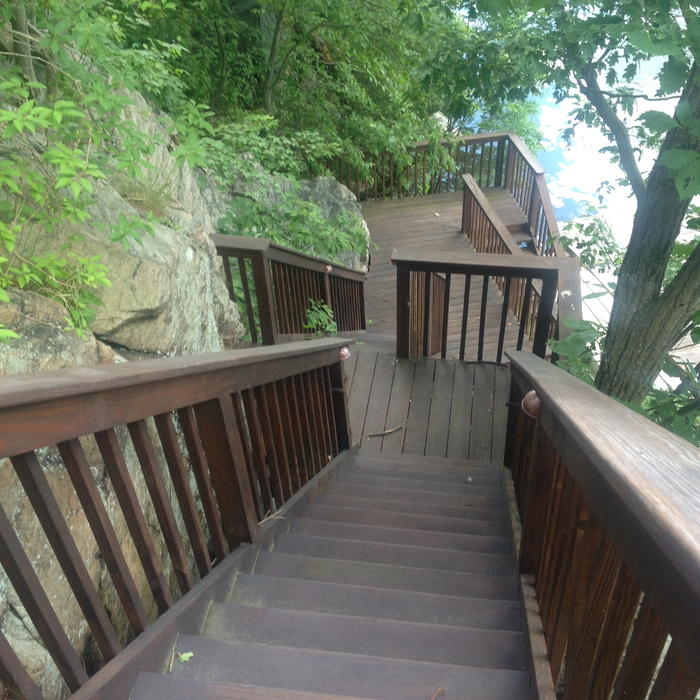
"(Note: this website doesn't have 'Ramp' as a drop-down option so I picked 'Wood Stairs & Railing Install' instead) I needed a ramp built for the back steps in a VERY short amount of time and Paul was able to get it all done even faster than I had any right to hope for. Given the time constraint and the rush I was putting on it I would have accepted just a basic something to fill the need but Paul's work is so solid and beyond what I was hoping for. As friendly as he is skilled, Paul gets my highest recommendation!"
+4
Serving Wayne, NJ and surrounding areas
Approved
Super Service Award Winner
In business since 2021
Free estimates
Emergency services offered
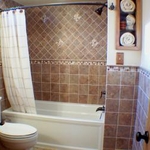
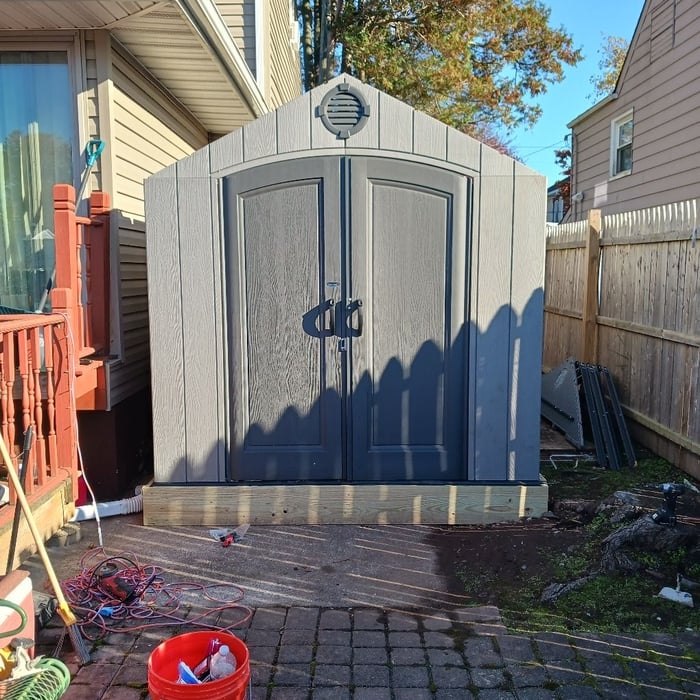
"Alex and his helper installed cameras and a medicine cabinet in my bathroom they did a good job"
+48
Serving Wayne, NJ and surrounding areas
Approved
In business since 2014
Free estimates
Emergency services offered
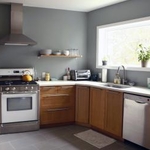
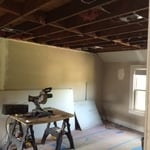
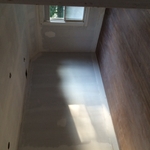
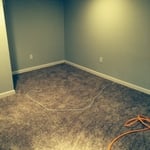
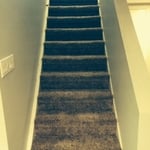
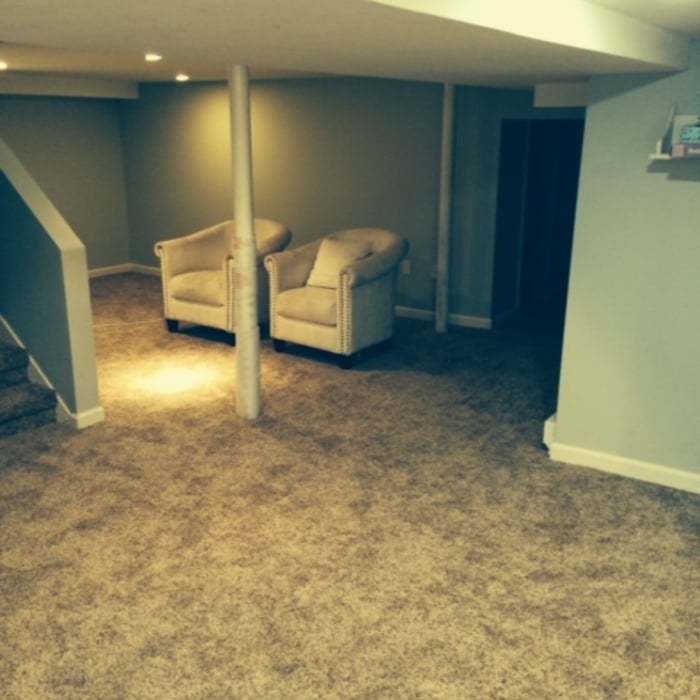
"James and his team did a complete renovation of a townhouse that had been neglected over many years. Tear-out of old flooring and fixtures. Installation of new laminate flooring, new paint throughout, new light fixtures, complete new bathrooms, complete new kitchen and exterior painting and power washing. All word was done professionally and thoroughly and at a fair price. We worked together on planning and acquiring the materials. They are very easy to work with and they got the job done in a timely fashion."
+49

Serving Wayne, NJ and surrounding areas
Approved
Super Service Award Winner
In business since 2016
Free estimates
Emergency services offered
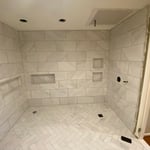
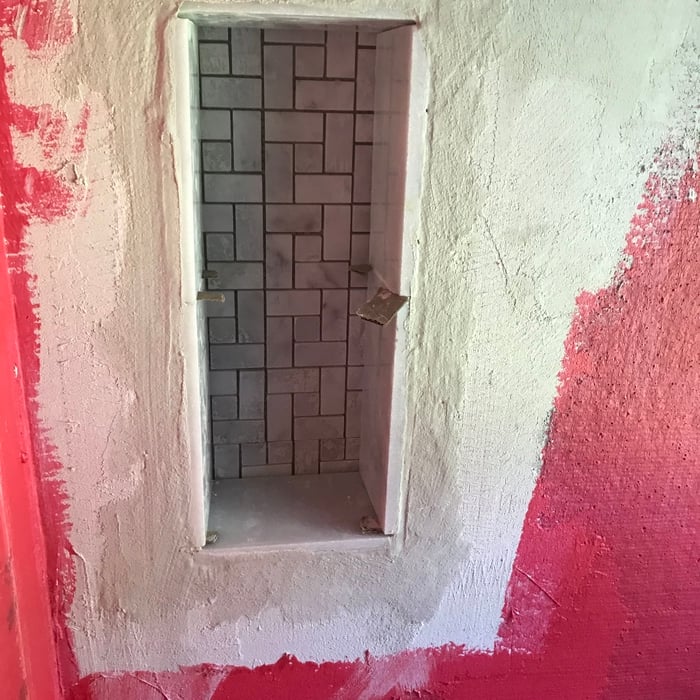
"The guys came on time and replaced my faucet in the basement. They were professional and get the job done nicely."
+5

Serving Wayne, NJ and surrounding areas
Approved
In business since 2006
Free estimates
Warranties offered
"Kevin is a great guy and extremely helpful. We will continue to have him help in the future. Highly recommended!"
Serving Wayne, NJ and surrounding areas
Approved
In business since 2024
Free estimates
Emergency services offered
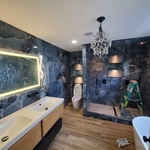
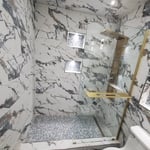
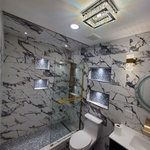
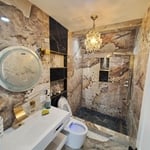
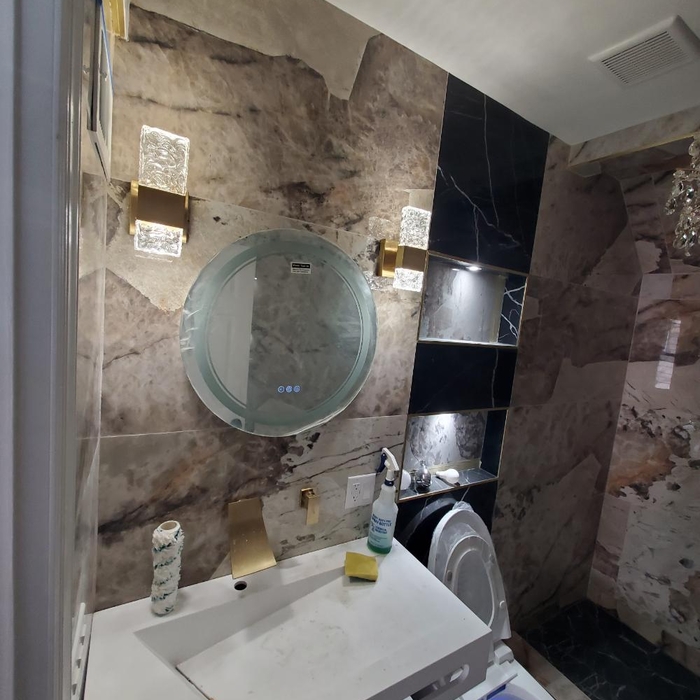
"I had an urgent request to install shelves b/c the other person I hired never showed up. Belayeth reached out to me right away and came out the same evening. They did a wonderful job installing multiple shelves in my guest room, were clean and efficient, very friendly and experienced. I was so excited to see that they provide so many services. Highly recommend and will definitely use them going forward. They were wonderful."
+41
Serving Wayne, NJ and surrounding areas
Approved
In business since 1995
Free estimates
Emergency services offered
Next Level HBR LLC is committed to excellence in every aspect of our business. We uphold a standard of integrity bound by fairness, honesty, and personal responsibility. Our distinction is the quality of service we bring to our customers. Accurate knowledge of our trade combined with ability is what makes us true professionals. Above all, we are watchful of our customers' interests and make their concerns the basis of our business.


+3
Serving Wayne, NJ and surrounding areas
Approved
In business since 2004
Free estimates
Emergency services offered
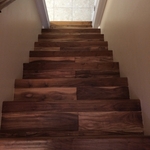
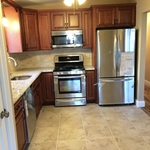
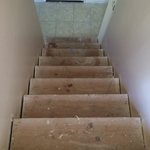
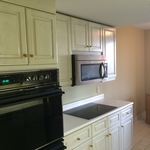
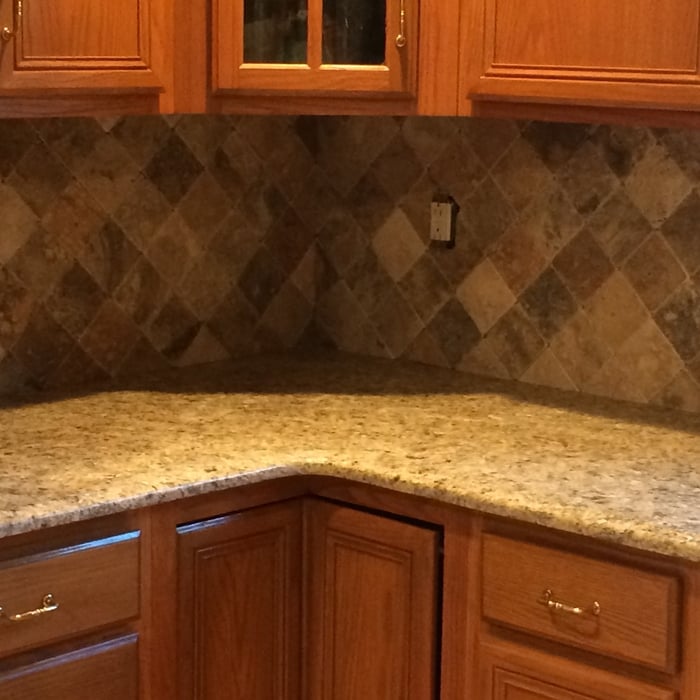
"Ethan is great! He helped me install a media center that is extremely heavy and floating, (a job that two other Handyman attempted, and it didnâ t hold.) heâ s naturally bright and can just figure things out, which is exactly what I needed because I didnâ t have any installation materials or instructions."
+116

Serving Wayne, NJ and surrounding areas
Approved
In business since 2009
Free estimates
Credit card accepted
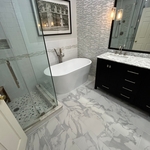
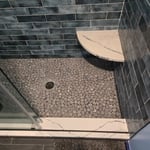
Tymex Inc is a trusted home renovation company with over 15 years of experience in the remodeling industry. We specialize in transforming kitchens, bathrooms, and powder rooms into beautiful, functional, and modern spaces that meet the needs of every homeowner.\n\nOur company proudly serves clients in North New Jersey, Westchester County (New York), and the Upstate New York region. Over the years, we have built a strong reputation for quality craftsmanship, attention to detail, and reliable customer service.
From average costs to expert advice, get all the answers you need to get your job done.
Find out the average brick or stone fireplace installation cost in New York, NY. Learn what you can expect to pay for local masonry and fireplace installers.
Discover the average brick or stone fireplace repair cost in New York, NY. Learn what to expect to pay for local masonry repairs and firebox restorations.

A fire pit installation costs $850 on average but can vary by size, fuel type, materials, and more. See how much you need to budget for a new fire pit.

Spark inspiration for your outdoor oasis with these fire pit ideas that will keep you warm and your space inviting for your family and friends.

A fire pit adds attractive entertainment space to your backyard. Learn about standard fire pit dimensions and what factors contribute to fire pit size.

Backyard fire pits add light, heat, and ambiance to your outdoor space. Read on for a summary of a fire pit's key benefits.