

Top-rated excavation pros.

Best excavation pros near Toms River, NJ

Enter your zip and get matched with up to 5 pros

Need a pro for your excavation project in Toms River, NJ?

Select your specific project to find the pro for you.

TRUSTED BY TOMS RIVER, NJ HOMEOWNERS

  • Average homeowner rating star icon4.5
    Average homeowner rating
  • Verified reviews icon37
    Verified excavation services reviews

Top-Rated Excavation pros in Toms River - Updated Nov 2026

Vonch's Landscaping LLC
5.0(
14
)
Building Site - Preparation and ClearingBuilding Site - Preparation and Clearing - For BusinessExcavation - Major Grading or Resloping+2 more

Serving Toms River, NJ and surrounding areas

Approved

In business since 2010

Free estimates

Credit card accepted

Vonch's Landscaping is committed to excellence in every aspect of our business. We uphold a standard of integrity bound by fairness, honesty, and personal responsibility. Our distinction is the quality of service we bring to our customers. Accurate knowledge of our trade combined with ability is what makes us true professionals. Above all, we are watchful of our customers' interests, and make their concerns the basis of our business.

1 neighbors recently requested a quote
Recommended by85%of homeowners
Avatar for Panaro Outdoor Design, LLC
Panaro Outdoor Design, LLC
4.3(
172
)
Landscape - Minor Grading or Resloping

Serving Toms River, NJ and surrounding areas

Approved

In business since 1979

Free estimates

Small jobs welcome

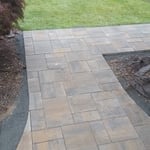
"Gino and his team did a great job!! I tried to do this project alone and realized I was not up to the task. Gino came to our home on Sunday because he realized, I was in trouble. Gino and team did the excavation, concrete base then built a beautiful paver patio well above our expectations. He was honest, helpful and charged a very fair price. He made us feel very comfortable and did not take advantage of us knowing the predicament and poor shape of our backyard was in after I tried to do this project myself. The very same day he came to assess the job, he realized my backyard needed to be fixed ASAP. Gino started up the skid steer I rented, rolled up his sleeves and said, “Let’s get this backyard into shape and then we will talk numbers. First, you need some help, then we will talk business.” I could tell he was not going to rip me off, but I knew he was just genuinely trying to help. He saved me form any possible flooding and drainage issues prior to when he and his team could officially start the job. He's a good man, I can't say enough great things about Gino and his team."
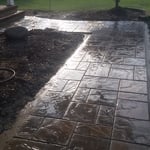
Pavers Down

Pavers Finished and Locked in

Gino himself putting the finishing touches
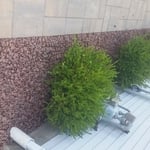
Beautiful shrubs
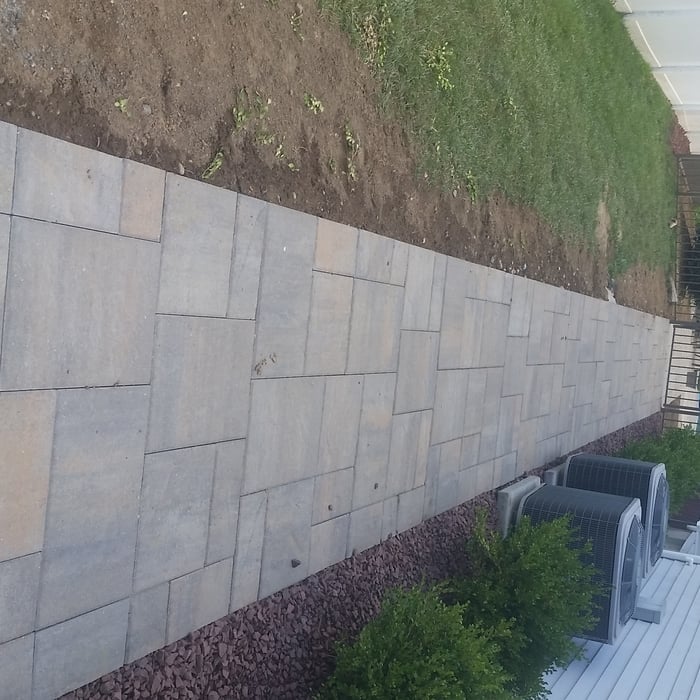
Another walkway done

+299

Response time1 day
Response rate88%
38 neighbors recently requested a quote
...
Showing 1-10 of 137
Excavating FAQs, answered by experts

We recommend removing the stump, and grinding is a popular way to do it. You can also dig out small stumps or stumps that have fully decayed instead of grinding them. However, don’t try using acids or fire for killing a tree stump, which is a fire hazard and illegal in many areas.

Leaving the stump alone invites eventual problems, including attracting termites, mold, and fungi.

You should dig 3 to 6 inches deep for plastic edging. Dig as wide as you need to fit your plastic edging into it—2 inches is usually sufficient.

Depth is not a qualifying component of evacuation. Any human-made cut, cavity, or depression in the earth’s surface is considered excavation. The hole from excavation can be any size, shape, or depth. Excavation is used to create foundations, reservoirs, drainage ditches, and roads. Long, narrow excavations are called trenches and are often used for underground utilities.

Most residential basements are 8 to 10 feet deep. You can dig deeper depending on building codes, but it does become more difficult. You’ll likely need to install stronger foundation walls and additional supports to handle the increased load. Depending on the water table, you may also need a water management system. Clay soil can support a deeper foundation than sandy soil. A structural engineer will be able to tell you the maximum, feasible depth.

A joint utility trench, or joint trench, is a long, buried ditch on a property that contains two or more utility lines rather than running the lines in multiple trenches. Some utilities, like gas and electric or electric and communication lines, are better suited to joint trenching, while others, like water and sewer, are not allowed to be in the same trench.

The Toms River, NJ homeowners’ guide to excavation services

From average costs to expert advice, get all the answers you need to get your job done.