


Top-rated excavation pros.

Best excavation pros near Lakehurst, NJ

Enter your zip and get matched with up to 5 pros

Need a pro for your excavation project in Lakehurst, NJ?

Select your specific project to find the pro for you.

TRUSTED BY LAKEHURST, NJ HOMEOWNERS

  • Average homeowner rating star icon4.3
    Average homeowner rating
  • Verified reviews icon69
    Verified excavation services reviews

Top-Rated Excavation pros in Lakehurst - Updated Nov 2026

Avatar for Finest Property Maintenance LLC
Finest Property Maintenance LLC
5.0(
11
)
Landscape - Minor Grading or ReslopingExcavation - Major Grading or Resloping

Serving Lakehurst, NJ and surrounding areas

Approved

In business since 2016

Free estimates

Emergency services offered

"Met with Mike from finest property maintenance to discuss some drainage & landscape ideas for my yard. Not only was he the best priced around but he was honest, he told me what he recommends and what I really didn't need. Talking with him he cut the fluff and extra sales pitch I felt with so many other companies and it really showed. Mike & his crew were dependable respectful of the property and neighbors and went above and beyond to make sure every single need on our list was met ! I highly recommend finest for any of your work, it's clear their knowledge spans across multiple trades and mike had some knowledge and recommendations for alot of my project!"
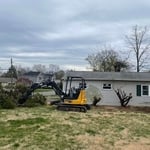
Excavator removing trees around property
Tree removal
Tree Removal
Dump Truck
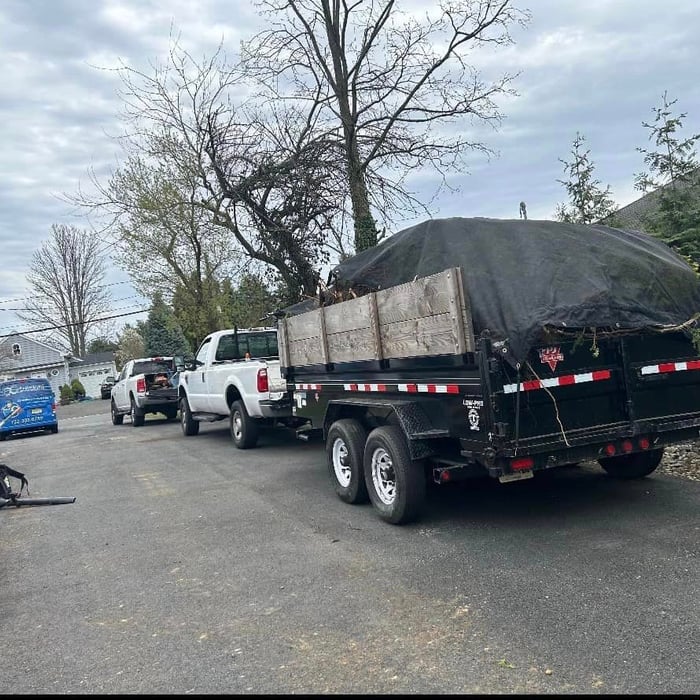
Dump Trailer & Truck

+24

Response time1 day
3 neighbors recently requested a quote
Recommended by90%of homeowners
Avatar for DOUBLE TREE TRIMMING & REMOVAL SERVICES
DOUBLE TREE TRIMMING & REMOVAL SERVICES
4.8(
21
)
Building Site - Preparation and ClearingBuilding Site - Preparation and Clearing - For BusinessExcavation - Major Grading or Resloping+2 more

Serving Lakehurst, NJ and surrounding areas

In business since 2002

Emergency services offered

Credit card accepted

"This crew is amazing!  My uncle needed to have a tree removed from our
backyard... I'm talking HUGE with many of the biggest limbs leaning over
our neighbors house.  He came over right away and gave a reasonably
priced quote.  I discussed it with my uncle and decided to go ahead and
use his services.  He removed this tree in two days, even with it being
some of the hottest days its been in a while!  His whole crew was
extremely kind and they made sure to clean up very carefully after they
were done. They even took a look at my broken car when they
noticed me filling my radiator with water!  We were thrilled with the
services this crew gave us and would recommend them to anyone.
"
Recommended by100%of homeowners
...
Showing 1-10 of 129
Excavating FAQs, answered by experts

Trenching and boring are two distinct methods for installing underground utilities. Trenching involves digging a channel using equipment like an excavator, trencher, backhoe, or shovel. While it is a simpler process, it causes significant disruption to the surface, landscaping, and surrounding ecosystems.

Boring, also known as directional boring, is a less invasive alternative that uses a drill to create a tunnel for utility lines without disturbing the surface. This method is more precise and is ideal for installations that need to go underneath buildings, roads, or bodies of water. Although boring is less disruptive, it is generally more expensive than trenching.

You can bury underground electrical wire six inches deep—but only if you use a rigid metal electrical conduit. For rigid, non-metallic conduits, bury the wire at least 12 inches deep. If using an underground feeder cable rated for direct burial, you'll need to place it at least 18 inches deep, as it has no conduit for extra protection.

Excavation is priced in cubic yards, so you’ll need to find the volume of the area in order to calculate costs. Multiply the length, width, and proposed depth of your excavation site, then convert it into yards to get the volume. Multiply this figure by the price per cubic yard.

Most homeowners can measure by hand to get a rough estimate, even if it’s tedious. You may want to pull out a tape measure or use a string to help mark the area.

Sewer lines can be buried anywhere from 18 inches to 8 feet deep, with a common average depth between 18 and 30 inches. The exact depth depends on local factors like climate and soil type. In colder regions, pipes must be buried deeper (below the frost line) to prevent freezing, sometimes as deep as 8 feet. The digging depth can also impact the cost of sewer line replacement. To find the specific depth for your property, you can check the building plans for your system, which should be on file with your city or local sanitation department since permits are required for installation.

The best method for digging a trench depends on the scope of the project. For a short, shallow trench (less than 2 feet deep) in light, soft soil, digging by hand may be sufficient. However, digging by hand is labor-intensive, so consider the effort required. A machine trencher is the better option for longer trenches (over 100 feet), deeper ones, or when dealing with difficult soil conditions, such as rocky or hard ground, or obstructions like tree roots. A machine can save significant time and energy in these situations.

The Lakehurst, NJ homeowners’ guide to excavation services

From average costs to expert advice, get all the answers you need to get your job done.