



Top-rated arborists.

Get matched with top arborists in Stone Harbor, NJ

Enter your zip and get matched with up to 5 pros

Need a pro for your arboricultural service project in Stone Harbor, NJ?

Select your specific project to find the pro for you.

TRUSTED BY STONE HARBOR, NJ HOMEOWNERS

  • Average homeowner rating star icon4.7
    Average homeowner rating
  • Verified reviews icon197
    Verified arboricultural services reviews

Find Arborists in Stone Harbor

Avatar for Captain's Tree Service LLC
Captain's Tree Service LLC
4.3(
43
)
Tree RemovalTree Removal - For Business

Serving Stone Harbor, NJ and surrounding areas

Approved

In business since 2007

Free estimates

Emergency services offered

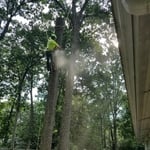
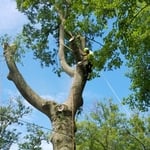
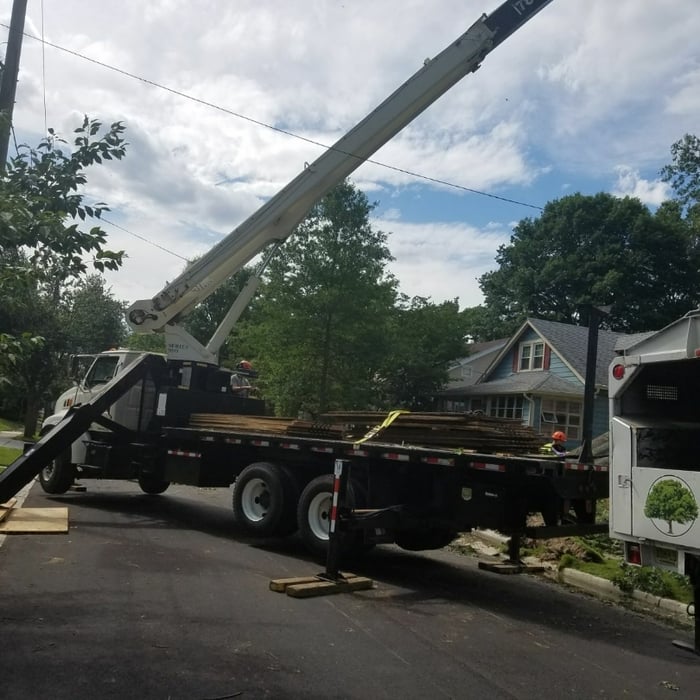
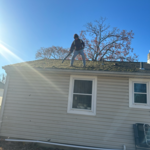
"The crew was organized, worked quickly and cleaned up afterwards. They were very good at carefully lowering cut branches so as not to damage anything in the yard. Very professional. I was pleased with the results and wouldn't hesitate to use them in the future."
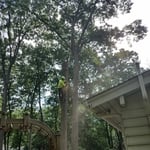
Additional Photos
Additional Photos
Additional Photos
Additional Photos
Additional Photos

+17

Response time1 day
Response rate100%
6 neighbors recently requested a quote
Avatar for Butterwood Tree Service -   Facebook
Butterwood Tree Service - Facebook
4.7(
16
)
Tree RemovalTree Removal - For BusinessTree Stump - Remove+1 more

Serving Stone Harbor, NJ and surrounding areas

In business since 2016

Free estimates

"Called, quick quote and showed up on day promised and let the site cleaned up. Had no luck with just calling around and hired him via home advisor. Good experience I showed a picture of the trees and that was sufficient to get a good quote."
Arbor Vitae
Blue atlas cedar
Blue atlas cedar
Takedown
Trimming

+9

Response time1 day
Recommended by100%of homeowners
Showing 1-10 of 27
Arborists questions, answered by experts

A palm tree's lifespan typically ranges from 40 to 100 years, though some species can live much longer. For example, certain types of Date Palm trees can live for over 200 years. The exact longevity of a palm tree is influenced by several factors, including its species, size, climate, and growing conditions. To maximize your palm's lifespan, provide proper care and maintenance, such as ensuring it gets enough sunlight, water, and nutrients, and protecting it from pests and diseases. For expert maintenance tips, consider consulting a professional arborist.

Using vinegar to kill tree roots is just one of the clever ways to use vinegar around the house. The method works best when you apply vinegar as directly to the root system as possible. For example, if the old tree roots and stump are currently exposed, drill holes in the tops of the roots and pour undiluted white vinegar into the holes to soak into the plant. Remember that vinegar can kill the surrounding grass and plants should it pour over the edge.

In most cases, you should not use a pruning seal on trees after trimming. Applying a sealant can interfere with the tree's natural healing process, and it does not guarantee protection from pathogens. Instead of sealing the cut, the best practice is to support the tree's natural recovery by providing it with plenty of water and a dormant-style fertilizer. However, there are exceptions. Pruning seals may be recommended for very vulnerable species, like elm trees, in areas where dangerous diseases such as Dutch elm disease are prevalent. In these specific situations, the protection offered by a sealant can outweigh its downsides. For advice tailored to your situation, especially after cutting large branches, it is best to consult a local tree trimming professional.

No. Topping a tree refers to severely cutting down all its major branches and tree in a straight line. It was once recommended for streetside deciduous trees but has fallen out of practice. Topping leads to many problems, removing so much of the tree that many trees struggle to survive and become much more vulnerable to insects and diseases. Also, it doesn’t really help tree growth as once assumed and often leads to an ugly appearance of many sprouting stems in competition to become new main branches.

Yes, it is highly recommended to remove tree stumps. Leaving them in the ground can lead to several problems, as they are not only unsightly but can also reduce your property's value. Stumps can obstruct landscaping plans, make mowing difficult, and hinder new growth. More importantly, they are prime breeding grounds for pests like termites, ants, and mice, which can spread to your home and cause costly damage to its wood and foundation. Stumps also attract fungi and diseases that can infect other healthy trees and plants in your yard. As a stump decays, it might sprout new, unwanted shoots. While removing a stump is an investment, it prevents these potential issues and enhances the safety, health, and appearance of your landscape.

The Stone Harbor, NJ homeowners’ guide to arboricultural services

From average costs to expert advice, get all the answers you need to get your job done.